Welcome to Ghost Catcher Isles, chronicling the weird, wonderful and eerie of the isles of Great Britain and the Republic of Ireland. Come with me on my adventures into the strange and paranormal
A tale of jealousy, violence, and a spectral hound.
(Image: Dead Maids Junction on the A36. Source: Maurice Pullin 2008)
Some place names are scenic. Others are puzzling. And then there are those that stop you mid-journey.
“Dead Maids.”
I first noticed the name while travelling through the quiet Wiltshire countryside near Salisbury, at a crossroads on the A36. Surrounded by rolling fields and woodland, nothing about the landscape seems sinister at first glance. Yet names like Dead Maids Crossroads, Black Dog Woods, and Black Dog Hill suggest something darker beneath the surface: a story rooted in violence, grief, and restless spirits.
In this stretch of countryside between Warminster and Bath, folklore seems to cling to the hedgerows, and the veil between history and haunting feels unnervingly thin.
The most widespread legend of the area at Chapmanslade and Dilton Marsh is linked to the crossroads, known as “Dead Maids”. Local folklore tells of a farmer’s daughter, perhaps from what is now called “Dead Maids Farm”, who found herself in a love triangle, pursued by two eligible suitors between the late eighteenth and early nineteenth centuries. Initially, neither man knew of the other, and the farmer’s daughter enjoyed the affections of both for a time. Inevitably, this deception was unmasked, and the men quarrelled over who should win the hand of the girl in marriage. The girl could not choose between them, and it was agreed that a duel would decide the issue once and for all.
At dawn, the two suitors faced one another on a windswept hill while the faithful black dog of one of the men quietly watched on. The pistols were fired, and one of the men fell, shot through and killed instantly. As he fell, his trusty dog, driven by despair, exacted immediate justice on the apparent victor of the duel. The beast, desperate to avenge his master, savaged the victor and tore out his throat before vanishing into the dense, shadowed woods: never to be seen alive again.
Buried at the Crossroads
After the duel, the farmer’s daughter, grief-stricken and distraught at the violence she had incited, tragically took her own life. In those days, people who had ended their own lives were denied burial in consecrated ground, sometimes being interred at parish boundaries or crossroads. The multiple directions of crossroads were believed to confuse any troubled spirit, preventing it from rising and finding its way back to haunt the living.
It is from this tragedy that the crossroads got its name, and it is said that the unfortunate dog later died of grief in those same woods, now named “Black Dog Woods”, and haunts them even to this day.
(Image: Map of Black Dog Wood & Dead Maids. Source: OpenStreetMap 2025)
The Black Dog of the Hill
Yet the tale of the duel and the grieving dog is not the only explanation for the name “Black Dog Hill”. Some claim it was the very hill where the sad duel was fought, but others tell the tale of a dastardly highwayman who hid in the shadows here. Before the A36 was straightened in the 1970s, the road here used to twist and turn up the hill. These sharp bends provided ideal cover for highwaymen.
One particular rogue would lie in wait in the darkness with his companion, a large, highly trained black dog. As a stagecoach slowed down to navigate the bend, the beast would leap onto the vehicle and sink its teeth into the driver’s neck, bringing the coach to a halt. While the carriage was at a standstill, the highwayman would rob the passengers with little resistance.
One day, however, the highwayman’s reign of fear was cut short when he was eventually shot dead. The fate of his trusty canine accomplice remains a mystery, but there are those who say Black Dog Hill is now haunted by a spectral black hound.
Whether born from tragedy at dawn or the violence of highway robbery, the black dog lingers here in local memory. Perhaps it is merely the human need to impose meaning on cruel twists of fate such as these. Or perhaps something older moves through these woods after dark.
Today, traffic passes quickly over Dead Maids Crossroads. Drivers rarely slow, and few know the stories attached to the name on the signpost. But folklore has a way of outlasting roads, maps, and modern scepticism.
And if you find yourself travelling that stretch at dusk, you might glance towards the treeline. Just in case something dark and doglike is watching from the shadows.
Great Yarmouth isn’t just a seaside town of sugar donuts and amusement arcades; it’s a place rich in weird tales, ghostly sightings, and strange histories. From pirates to witches, from mystics to mummies, the town bubbles with secrets that float through its streets and graveyards. Join me as we walk through Great Yarmouth’s darker side, exploring haunted corners, overlooked tragedies, and uncanny stories.
Our journey begins in the heart of Great Yarmouth, where the imposing St Nicholas’ Church stares out over the town like a sentinel. Its stones have witnessed hundreds of years of worship, but it has also seen scenes of witchcraft, piracy, and ghostly happenings.
Stop 1: St Nicholas Church, Great Yarmouth
(Image: St Nicholas Church, Gt Yarmouth. Source: E.Holohan 2023)
This church is said to be the biggest parish church in the United Kingdom. Once belonging to a Benedictine priory, its construction of was completed in 1119. Although very little of the original Benedictine church now stands, the base of the current tower is Norman. Expansions and changes were made during the Middle Ages. In the 13th century, the aisles were widened. In the 14th century, the south porch was constructed. In the 15th century, the north wall was equipped with additional windows.
In the 16th century, the church was split into three sections, each of which was used by a different denomination. When the church was renovated in the 19th century, these sections were once again connected. However, a large portion of this work is no longer visible because the majority was completely destroyed by bombing and fire in 1942. Reconstruction of the inside took place from 1957 to 1960.
In the graveyard: English Pirate Attack
(Image: Headstone of David Bartleman. Image: E.Holohan 2023)
In the graveyard here, we find a gravestone that has a rare inscription that refers to an English pirate attack:
“To the memory of David Bartleman, Master of the Brig Alexander and Margaret of North Shields, who on the 31st of Jan 1781 on the Norfolk Coast with only three 3 pounders and ten men and boys nobly defended himself against a cutter carrying eighteen 4 pounders and upwards of a hundred men commanded by the notorious English pirate Fall and fairly beat him off. Two hours after the enemy came down upon him again, when totally disabled, his mate Daniel MacAuley, expiring with the loss of blood and himself dangerously wounded, he was obliged to strike and ransome. He brought his shattered vessel into Yarmouth with more than the honour of a conqueror and died here in consequence of his wounds. On the 14th of February following in the 25th year of his age”.
This stone, dedicated to the remembrance of David Bartleman, Master of the brig Alexander & Margaret of North Shields, is tucked away in the old church graveyard. On 31st January, 1781, Bartleman bravely defended himself against a cutter with eighteen four-pounder cannons and a crew of up to 100 men while sailing the Norfolk coast with a crew of ten men and boys and only light armament of three-pounders. Fall, an infamous English pirate, commanded the Cutter attacking.
This triumph was fleeting, though, as two hours later Fall’s Cutter struck the unfortunate Brig once more. The battle raged on until the Alexander & Margaret was fully incapacitated. Captain Bartleman found himself in a desperate situation; he had no choice but to surrender and pay a ransom to ensure the safety of his ship and crew. His first mate, Daniel MacAulay, was seriously injured and rapidly losing blood, leaving the captain with little choice to make the difficult decision to pay to secure their release. Then, on 14th February 1781, at the age of 25, he brought his proud but broken vessel into Yarmouth, where he passed away from his wounds.
A stone was placed above the tomb by his father, Alexander Bartleman, to honour the bravery of his son’s death, the courage of his loyal mate, and the notoriety of Fall the Pirate.
Daniel Fall, also known as Fall the Pirate or John Fall, first gained fame in November 1780 when he captured two colliers from Lowestoft South Roads. At that time, he was known as “the noted Daniel Fall, a smuggler and captain of a large privateer.” The frigate Pegasus set sail from Yarmouth in pursuit but failed to locate him. An article in the Ipswich Journal reported that a 20-gun American cutter privateer had seized two large merchant ships off Pakefield, but the man-of-war ‘Fly’ from Hollesley Bay intercepted and took back the stolen goods.
Fall was known to sail under American colours, suggesting that the privateer mentioned might have been his ship. By February 1781, around the time of the attack on the brig Alexander & Margaret and death of David Bartleman, he was spotted on one of the Harwich packet ships, where he raised the American flag and displayed letters of marque from America, France, and Holland. Shortly after, it was reported that Fall, now known as the ‘rebel commodore’, was operating off Orford Ness with a squadron of Dunkirk-based privateers.
In early June 1781, Fall captured the Prince of Wales using two cutters: the Liberty, which he had recently stolen from a Scottish port, and the Fearnought, which he commanded.
By April 1782, Fall was reported to be heading into the Irish Sea, but after that, he seemed to disappear from the pages of history. No further sightings or reports of his activities surfaced along the East Coast. What happened to the notorious pirate Fall after his last raid: did he perish in battle like his poor opponent David Bartleman, or vanish into obscurity?
Witches Memorialised
Also in the churchyard we find the memorial plaque commemorating the five women hanged at North Denes during the Matthew Hopkins Witch Trials who were buried here; Bridget Howard, Margaret Blackbourne, Alice Clisswell, Elizabeth Bradwell, and Elizabeth Dudgeon. They are located in the churchyard’s north side. Why were the supposed witches buried here, in consecrated ground, when most others accused of such crimes were cast out to the crossroads?
(Image: Witches Memorial plaque. Source: E.Holohan 2023)
The history of Great Yarmouth is associated with the 17th-century witch hunts, especially in 1645 when Matthew Hopkins, the so-called Witchfinder General, paid the town a visit. Many people, both men and women, were tried for witchcraft at this time, and some of them were found guilty and put to death. The five women were hanged at nearby North Denes during these Witch Trials. Many of the accused in Great Yarmouth, according to historians, were simply social misfits or victims of unrelated disputes, not actual practitioners of witchcraft.
It has never been explained why the supposed witches were buried in the churchyard. According to a long-standing custom, people who are found guilty of crimes, including witchcraft, are typically buried in unconsecrated ground or at a crossroads, where their spirits would be flummoxed and unable to return and cause trouble in a society that values godliness.
In reality, according to Christian tradition, outcasts and suicides were the only people buried on the north side of a churchyard. The unbaptised, excommunicated, strangers, vagrants, executed criminals, and people suspected of practicing witchcraft were all included in this proclamation. This was frequently called “lying out of the sanctuary” or “burial without the sanctuary.” The saying “the devil walks in dark places” stems from ancient times, and was initially used to describe the darker parts of a churchyard, particularly the north side of a building.
Thomas Vaughn: Body Snatcher
Also at the graveyard we can see the plaque remembering local body snatcher, Thomas Vaughn. Ten remains were taken from Great Yarmouth’s St. Nicholas Churchyard in 1827 by Thomas Vaughn and his two accomplices. In the end, he was imprisoned, but only for half a year! For more on this, read on for Body Snatchers Row 6.
(Image: Thomas Vaughn plaque. Source: E.Holohan 2023)
Oliver Tomkins: Cannibal Victim
Situated in the graveyard you can see the grave marker of Oliver Tomkins. There is likely no body buried under the marker, as this Great Yarmouth citizen, about 120 years ago, was rewarded by cannibals for his attempts to spread the word of God by being killed, dismembered, cooked, and eaten. This was all within hours of Oliver Tomkins’ final diary entry following his arrival on a Papua New Guinean island inhabited by cannibals: “they tried hard to persuade us to come ashore…we promised we would visit their village in the morning.” The reward for his visit to the village was to be his host’s dinner!
(Image: grave marker of Oliver Tomkins. Source: E.Holohan 2023)
Next up at St Nicholas’ Churche we find Margery Kempe’s blue plaque.
Many believe that “The Book of Margery Kempe,” written by the English Christian mystic Margery Kempe (c. 1373–after 1438), is the first autobiography in the English language. Kempe’s domestic struggles, her extensive pilgrimages to holy sites in Europe and the Holy Land, and her mystical interactions with God are all chronicled in her book.
Margery Kempe was considered a mystic due to her profound and personal relationship with God. This was marked by visions, conversations with Jesus, Mary, and other religious figures, and via active participation in biblical events through these visions. She also embraced a highly devotional and pious lifestyle, which included prolonged weeping, fasting, and pilgrimages, which were all seen as evidence of her spiritual connection
Kempe prayed in St Nicholas church before leaving on a pilgrimage to Jerusalem and a blue plaque now commemorates this.
Churchyard Hauntings
As well as being a place of rest, the church graveyard is also known for its unquiet residents. According to legend, at the height of “Egyptomania,” in the 1900s, a well-wisher donated the coffin of an ancient Egyptian princess to the Priory school next door to Great Yarmouth Minster. People were fascinated by mummies in this period because they believed that the ancient bodies had supernatural abilities. Some mummies were even ground into a dust for use as medicine or shown at gruesome “unwrapping parties.” Mummies were the height of fashion at this time!
Unfortunately, many mummies suffered in Europe’s humid environment after being removed from their natural hot, dry resting places. The princess mummy was kept in its case on display in a classroom, but it was eventually agreed that the only sensible thing to do when the mummy inside started to smell was to bury it in the church graveyard.
The Vicarage and St. Nicholas’ Church started to experience after dark knocking noises on their doors shortly after the burial; an investigation into the tapping noises revealed no reason.
The vicar was frequently confused and anxious when he answered the vicarage door to no one after hearing loud bangs. A decision was made to return the mummy to its casket since the noises were becoming unbearable and seemed to be coming from nowhere.
A mummified arm that had been mistakenly left behind when the body was hurriedly buried in the middle of the night was discovered when the box was opened. It seems, it had been begging to be freed and reunited with its body! The noises stopped and there was finally peace once the arm was interred with the rest of the body. The arm left behind; was it an accident, or something more sinister keeping the dead from their rest?
(Image: Ghostly knights. Source: WordPress 2025)
Along with tales of unquiet mummies, the churchyard also has takes of spectral horsemen. Ghostly apparitions were allegedly wreaking havoc in the graveyard in October 1922. A woman reported to the local police that she had witnessed three ghosts in shining armour riding horses across the churchyard.
As word spread, hundreds of people returned night after night to catch a glimpse through the railings, wanting to see these spirits for themselves. However, no further apparitions were seen. A bet was made to anyone who would camp out in the churchyard and to keep watch for the knights, but it was never taken up and the town’s citizens ultimately lost interest.
From the graveyard’s shadowy corners, we make our way down to Row Six. At first glance, it’s just another of Great Yarmouth’s narrow passageways, but this one earned a gruesome reputation as ‘Body Snatcher’s Row’.
Stop 2: Row Six- Body Snatcher’s Row
(Image: Body Snatchers Row sign. Source: E.Holohan 2023)
Row six, Body Snatchers’ Row, leads from St Nicholas’ churchyard to Northgate Street and is a reminder of when human bodies were stolen to order for anatomical dissection in London. In 1827, Thomas Vaughn, a resident of Row six, and his two henchmen, stole ten bodies from the churchyard. Vaughan was employed by Sir Astley Cooper, a surgeon to Queen Victoria. Vaughan used sawdust to conceal the bodies and transported them to London, where they were used for medical training purposes. Vaughan was tried at the Norwich assizes and received only 6 months imprisonment for this offence. He was later transported to Australia having been caught in possession of clothing he had taken from a corpse. In those days, sadly, theft of property was seen as a far more serious offence than stealing dead bodies.
Leaving behind the grisly world of stolen corpses, we come to a calmer, more literary stop. At 37–39 King Street, we arrive the birthplace of Anna Sewell, the author of Black Beauty. This is a house where tales of compassion for animals meet stories of ghostly presences
Stop 3: Anna Sewell House and The Man in the Window
The author of Black Beauty was born at Anna Sewell House on Church Plain, in Great Yarmouth. In 2021, Redwings Horse Sanctuary purchased the house, which dates to the 16th or 17th century. The property is now used by Redwings to highlight Anna Sewell’s renowned novel and her influence in animal protection.
(Image: Anna Sewell’s birthplace in Church Plain. Source: E.Holohan 2023)
On 24 November 1877, for just £40 and without a royalty condition, Anna Sewell sold Jarrold & Sons the entire rights to her book “Black Beauty”. “Black Beauty: his grooms and Companions, the autobiography of a horse” was the title under which the book was published. Since then, the book has sold about 30 million copies worldwide, making it the sixth best-selling book in the English language.
The adventures and misfortunes of a horse named Beauty are the subject of Anna’s tale, which was penned at the White House on Spixworth Road in Old Catton. The story was written in the first person from Beauty’s point of view. Anna survived long enough to learn of its success, but she was never able to witness the book’s eventual bestseller status. In April 1878, she passed away in Old Catton, Norwich, and was buried at the Quaker Chapel in nearby Buxton Lamas, where Anna had family.
In Great Yarmouth, a woman once reported that she saw a strange apparition in the window of the birthplace of the Black Beauty author. According to the eyewitness, Professional psychic medium Freda Joy, a man with “period features” who may have been the sibling of author Anna Sewell can be seen in photos shot seconds apart. Joy stated: “I couldn’t believe what I saw. I took the pictures within seconds apart and saw what looked like an image of man in the window.”
From this modest town house to a building spectacle, our path now takes us to the Hippodrome, Britain’s only surviving purpose-built circus, where sounds of joyful laughter mingle with shadows of the ghost of its flamboyant creator
Stop 4: The Hippodrome Circus, Where the Showman Goes On
The Great Yarmouth area has a long history of circuses, with travelling circuses appearing as early as 1815 and resident circuses from 1845.
(Image: Hippodrome Circus, Great Yarmouth. Souce: E.Holohan 2023)
The Great Yarmouth Hippodrome, built in 1903, is a landmark and Britain’s only surviving purpose-built circus building that still regularly hosts circus performances. Designed by Ralph Scott Cockrill, it features a unique, sinking ring that can be transformed into a pool for water spectacles. The Hippodrome was the inspiration of George Gilbert, a former circus performer who became a successful showman. The building’s facade features Art Nouveau details, including terracotta and brickwork.
The Hippodrome has hosted a variety of entertainment, including water shows, stage plays, cinema, and cine variety. During wartime, the Hippodrome was even used as a military practice shooting range. The ghost of showman George Gilbert is also said to walk the upper balcony of the Hippodrome.
Peter Jay bought the building in 1979, restoring the circus floor that sinks into a water feature in 1981 when he presented his first show. The Jay family continue to produce Circus Spectaculars four times a year, with Jack Jay as ringmaster and producer and Ben Jay as manager. The Hippodrome houses a collection of historical artifacts, props, and other circus memorabilia, curated by Peter Jay.
From the Hippodrome Circus, we make our way walking south on St George’s Road, turn left onto South Quay. Here we enjoy the scenic views along the quay.
Stop 5: A Stroll Along the South Quay
Take a stroll down the historic South Quay. It has been said that there were so many boats leaving Yarmouth in 1913 that you could cross the river from by leaping from one boat to another. The magnificent buildings along the river are a reminder of this port’s history. The Old Merchant’s House and the Great Yarmouth Row Houses are located just off South Quay.
The Rows were a network of winding alleyways where port workers lived.
(Image: The South Quay, circa 18th or 19th Century. Source: getarchive.net 2025)
The South Quay Elizabethan House has a reputation for being haunted. Some have called it a “hotbed of paranormal activity”. The Elizabethan House Museum is a historic 16th-century house, which showcases Elizabethan domestic life. It was constructed by affluent trader Benjamin Cowper in 1596, and when Cowper’s fortune grew, it was expanded in the early 1600s. In 1635, the mansion was bought by the town bailiff and local businessman, John Carter. Shortly before the Civil War, it developed as a meeting spot for Parliamentarians, most famously hosting a meeting in 1648 to discuss the future of King Charles I. John Carter’s sons, John and Nathaniel, inherited the house after his death in 1667 and remained there until their deaths in the early 1700s.
The house is said to have a history of paranormal events, including sightings of a ghostly woman, and reports of disembodied voices and unexplained noises The Elizabethan House is a popular location for ghost hunts and paranormal investigations due to its reputation as a haunted location.
As we continue west along the South Quay and head a little deeper through the side streets, we now encounter the Time and Tide Museum, located at 5 South Quay.
The Time and Tide Museum is housed in one of the best-preserved Victorian herring curing facilities in the United Kingdom.
The Tower Fish Curing Works, which was first constructed in the mid 1800s and expanded in 1880, is now home to the Time and Tide Museum. The works finally closed their doors in 1988 and The Tower Fish Curing Works was acquired in 1998 with the goal of turning it into a museum. This museum now showcases the history of Great Yarmouth, its herring business and social history.
At this museum you can discover Great Yarmouth’s varied history, its rich maritime and fishing heritage and some of the fascinating characters who made their living from the sea. You can even wander through a reconstructed Victorian ‘Row’ and see inside a fisherman’s home. You can soak in the atmosphere of the 1950s quayside, and hear exciting tales of shipwrecks and gripping rescues. The museum also contains some items of Fortean interest, such as the walking cane of Robert Hales, the East Somerton Giant.
Finally, we retrace our steps by walking north along South Quay, turning right onto St Nicholas Road and then heading back to the church.
And so, our walk comes full circle, to St Nicholas’ Church. In just a short wander through Great Yarmouth’s streets, we’ve uncovered tales of pirates and body snatchers, witches and mystics, circus ghosts and cannibal victims. This is a town where history and folklore blur, where the past is never quite at rest. Next time you stroll along these cobbles or pause by the quay, perhaps you’ll sense it too: the unseen layers of Great Yarmouth’s darker side.
(Image: The Spook Express, Joyland. Source: E.Holohan 2023)
Time and Tide – Norfolk Museums Service. (2024). Time and Tide – Time and Tide – Norfolk Museums Service. [online] Available at: https://www.timeandtide.norfolk.gov.uk/.
Winchester, with its rich history and timeless charm, has always had an air of mystery about it. This past weekend, that mysterious allure was dialled up several notches as paranormal enthusiasts from all corners of the UK—and even beyond—gathered for an unforgettable Seriously Strange Conference. The event, run by The Association for the Scientific Study of Anomalous Phenomena (ASSAP) as its yearly conference, spanned two jam-packed days, filled with thought-provoking talks by top speakers in the field on topics such as ghosts, vampires, poltergeists, cryptozoology and UFOs that left attendees both spooked and inspired.
The conference kicked off on Friday evening with a hauntingly atmospheric Winchester city ghost walk from The Theatre of Dark Encounters. Winchester, with its centuries-old architecture and dark past, proved the perfect setting to explore the unknown. As we strolled through the ancient streets, our guide led us into the heart of the city’s ghost stories—some dating back hundreds of years. Whispered tales of restless spirits haunting Winchester Cathedral, eerie footsteps in hidden alleyways, and unexplained phenomena at The Eclipse Inn had us all on edge, yet enthralled.
On the walk, we heard about the spectral monks who are said to haunt Winchester Cathedral. These brown hooded figures, disappearing at the knees, have reportedly been seen walking on what is believed to have been the original floor of the building. As recently as 1957, a family from Wolverhampton visited the cathedral while on holiday and happily took some snaps for the family album. Nothing strange or unusual was noticed while at the cathedral by them, however upon their return home, they developed their photos to discover several male figures dressed in medieval clerical dress pictured near the high altar. The family claimed there were no other people around that day and were unable to explain what caused the unsettling image.
Another point of interest on the ghost walk was The Eclipse Inn, which dates from the 16th century and was formerly the rectory of St Lawrence Church. The Eclipse is reputed to be haunted by a grey lady, who has been seen in an upper-story room of the building. The spirit is said to be that of Lady Alice Lisle who was beheaded in 1685 in the marketplace, accused of harbouring traitors during the Monmouth Rebellion. Lady Lisle is said to have spent her last evening on earth in the upstairs room which she now reportedly haunts.
One especially chilling story recounted on the walk was that of the starving woman of Hyde Tavern. The Hyde Tavern is another ancient Winchester inn and can trace its origins back to when monks still resided at Hyde Abbey. The current tavern building dates from the 19th century and has been known for its rowdy patrons, even at one point having to close down in 1860 when the landlord was prosecuted for allowing bare-knuckle fighting on site. As the story goes, several hundred years ago an impoverished woman was turned away from the tavern during a bitterly cold night. Her cold, frozen body was found on the doorstep the next morning, and soon after strange occurrences began to happen. It is said that her spirit took revenge on the landlord of the tavern by taking up residence in the building to cause bother to his patrons forever more. Her angry spirit is said to pull off the bedding from sleeping guests. Other patrons have felt a frozen hand placed on their arm or shoulder while drinking in the bar. If only that landlord had been more charitable and allowed the woman warmth and a bed, she would not perhaps have remained to manifest her vengeance at the tavern to this day.
Despite the occasional chill in the air, the ghost walk provided a fantastic opening to the weekend. It was immersive, spine-tingling, and set the tone for what was to come.
Saturday: Talks, Stalls, and the Conference Gala
Saturday was the heart of the conference, with a full day dedicated to speakers, stalls, and, of course, the highly anticipated evening gala. The conference centre was abuzz with excitement as attendees made their way through an array of stalls showcasing everything from paranormal themed notebooks, needle felted Lovecraftian horrors and paranormal books from several of the speakers.
The speakers on Saturday were nothing short of captivating. Among the most notable talks were:
Kristian Lander: “The Secret of the Nightcrawlers”
Kristian Lander is an independent researcher, writer, filmmaker, and host of ‘Rabbit Hole That Is Reality’ radio podcast. He presented a talk and showing of his recreation of the Nightcrawler videos. Here he showed a video of his beginners guide to creating your own Nightcrawler and showcased his homemade ‘Nottingham Nightcrawler.’ I had only heard of the Fresno Nightcrawler in passing before this talk, so I enjoyed learning more about the videos, and its fandom and watching Kristian debunk the supposed cryptid by recreating a Nightcrawler video himself
Deborah Hyde regularly speaks and writes about religion and belief and for 10 years was the editor of ‘The Skeptic Magazine’. More recently she has appeared as an expert for ‘Team Skeptic’ on the BBC podcast ‘Uncanny’. Deborah presented a well-researched talk on the story of ‘The Croglin Vampire’. Deborah delved deep into the legend, the history of the people involved, and the locations mentioned, to try to examine the legend’s validity and to find out if there was a grain of truth behind it. This was a truly intriguing talk, showing how legends and folklore can be produced from religious and political upheaval.
Dr Kate Cherrell: “Has Elvis Really Left the Building? A History of Celebrity Séance.”
Dr Kate Cherrell is a writer and academic specialising in spiritualism and popular séance. She is the creator of “Burials and Beyond”, a website exploring the stranger sides of life, death, and beyond. She co-hosts “Loopholes”, a sceptical but light-hearted podcast, and also co-hosts Discovery’s “Haunted Homecoming Unexplained: Caught on Camera.” Kate presented a fun and engaging talk on celebrity seances, which discussed modern séance and spirit box sessions with famous people such as Princess Diana, Queen Elizabeth II, Elvis Presley, and John Lennon. We heard about how these types of ‘pay-per-view’ seances developed over time in the digital age. Kate’s talk was delivered with such passion and humour, that it kept me engaged throughout, wanting to learn more.
Matt Arnold: “The Epworth Haunting Revisited”
Matt Arnold is the editor of ‘The Christian Parapsychologist Journal’ and author of ‘The Invisible Dimension: Spirit Beings, Ghosts and the Afterlife.’ Matt talked about the fascinating case of the ‘Epworth Haunting’, from his early fascination with the case during the pandemic lockdown to his research and later visits to the site. He sought to build a chronological reckoning of the haunting that happened to the Wesley family, to check whether these now famous events are in source materials and that these correspond with witness recollections and eyewitness statements in the letters between the family. The family discussed is that of John Wesley, the father of Methodism, who was sadly not present during the haunting. It was however experienced by his parents, siblings, and their servants. This was an intriguing case that was well-researched and presented with skill and a spot of humour. Top marks for providing additional handouts to the audience too!
Other speakers included Neil Nixon (“Today Winchester, Tomorrow the Cosmos”), Dr Ann Winsper (“Are Ghosts All in the Mind? Evidence from Animals.”), John Fraser (“My Very First Ghost Hunt.”) and Professor Chris French (“The Psychology of Coincidences”), all presenting their talks on their topics with ease, enthusiasm, and expertise. There was also a panel discussion that I sadly missed, but which I heard was fascinating, which was hosted by Matt Arnold and included Deborah Oakes, Dr Paul Rogers, Professor Chris French, Dr Ann Winsper, Dr Kate Cherrell, and Deborah Hyde.
Each speaker brought their unique expertise, but what tied them all together was a shared fascination with the unknown. The audience was equally diverse, from seasoned ghost hunters to curious newcomers, all united by a common interest in exploring the mysteries that lie beyond our current understanding.
As the day turned to night, the excitement peaked at the Conference Gala. Attendees arrived in style, many on a Cliff Richard’s style ‘Summer Holiday’ red double-decker bus, dressed in their finest summer holiday-themed attire. It was a chance to unwind, share stories from the day, and mingle with some of the event’s biggest names. The atmosphere was merry, with an underlying sense that, even at a party, the spirits of Winchester might be lingering close by.
Sunday was another day of fantastic talks, but there was no denying that the highlight was the appearance of none other than Reverend Lionel Fanthorpe, a legend in the paranormal community. With his decades of experience investigating the unexplained, Rev. Fanthorpe’s talk was a masterclass in storytelling and intrigue where he talked about his 60-plus years of examining unsolved mysteries. He effortlessly captivated the room with tales of unsolved mysteries, uncanny prophecies, and the strange experiences he has had or witnessed throughout his life. My favourite stories were that of the Pedlar of Swaffham, having grown up hearing that story as a child in Norfolk, and his personal story of the spirit of a recently departed friend apparently appearing to him to pass on a message from the spirit realm.
Reverend Fanthorpe’s warmth and wisdom brought depth to the conference, offering not just ghost stories but a reflection on the nature of belief, the afterlife, and how we, as humans, connect with the unseen world.
For me, this was also the chance to see one of my childhood heroes speak, having grown up watching ‘Fortean TV’. I even lingered nervously in the foyer with a copy of one of he and his wife’s books so that I could meet him and ask him to sign it, but sadly he left by another door. Maybe next time.
In addition to his talk, other notable speakers on Sunday explored topics such as poltergeists, UFO sightings, and Transhumanism. The stand-out talks for me on this day were:
Karin Beasant: “Jamaica Inn, A Story Through Time”
Karin Beasant has been investigating the paranormal for over 17 years. She runs her own paranormal team, ‘South Bristol Paranormal’ and has been part of the ‘Jamaica Inn Paranormal Team’ for 9 years. She has been involved in television documentaries, including as acting as assistant producer on ‘My Ghostly Footsteps’. Karin has a passion for history and research and this very clearly came through during her talk about the history of the Jamaica Inn, where she revealed her research around the land, the building, and some of the notable characters involved with this haunted location. Karin really drew you into the history and I was left wanting to visit and explore the Jamaica Inn myself one day.
Dr Paul Rogers: “The Dodleston Poltergeist and Messages: Overview & Examination”
Dr Paul Rogers is a freelance researcher and Visting Research Fellow at The University of Northampton. He is currently researching ‘The Dodleston Messages’, the topic of this talk.
For me, this was one of the standout cases discussed at the Conference. Paul talked about the fascinating and creepy experiences of Debbie Oakes and Ken Webster when they lived in Meadow Cottage in Dodleston, Cheshire. Debbie was also a Conference attendee, having spoken on the panel on Saturday, however, she sat back to enjoy the talks today. Debbie and Ken experienced many strange poltergeist-like occurrences in the cottage, such as stacking of cans, footprints up the wall, and stacking of furniture by seemingly unseen hands. More curiously the unknown entity appeared to begin communicating with the couple via messages typed mainly on various borrowed computers. Over 16 months there were approximately 300-400 messages. These seemingly came from a previous occupant of the cottage from the 1500s. As the story unfolded, and more evidence was presented, it became more and more incredible, even weaving in possible contact from a time traveller. This suggested that some type of portal or interdimensional communication device linked the location at different points in time. This was a very compelling case and although I remain sceptical and cautious, I was left wanting more and my husband darted off to the stalls to buy one of the remaining signed books, “The Vertical Plane” by Ken Webster.
Dr Robert Radaković: “Transhumanism- An end to death or a path to Spiritual Enlightenment”
Dr Robert Radaković is a writer, speaker, scholar of the paranormal and the occult, and a Council member of the Ghost Club. Robert’s talk was on ‘Transhumanism’, a philosophical movement that promotes technological advancement to enhance both human longevity and cognition. He mapped this philosophy from the Age of Enlightenment to its current modern incarnation, discussing the ultimate goal of this which is to live forever, to maintain cognitive ability as almost a separate species, technological singularity, and the ability to mind upload. He found commonalities with this philosophy with paranormal phenomena, religion and esoteric spirituality, and universal connectedness. This was a really mind-blowing talk, that brought to mind ideas from William Gibson’s cyberpunk books.
Patti Keane is a writer and artist who first came to the paranormal community’s attention when her experience of living with a poltergeist was aired in the first series of Danny Robin’s ‘Uncanny’ podcast in 2021, ‘The Haunting of Tanfield House’. Patti presented her story and recollections of her life with the poltergeist at Tanfield House via a series of drawings, artworks, and diary entries she made at the time of her experiences. Patti was a captivating speaker who brought her experiences alive with her art and snippets of writing. I found the painting of her with the figure of the poltergeist behind her, claws resting on her shoulder, particularly chilling.
Other talks were given by Dr Mark Newbrook (“Scientific linguistics and amateur claims & theories about Language”), Sarah Pilkington (“Dead Mountain: The Dyatlov Pass Incident”), and Michaela Ford (“UK UFO Sightings and Associated Data 2020-2024”) all of which were fascinating and delivered with skill.
Craig Williams should also be noted for his opening and closing of the two days of talks and for his introduction of all the fine speakers.
It was a day that left attendees both reflective and curious, eager to learn more and apply their newfound knowledge to their own explorations of the paranormal.
The Verdict: A Must-Attend Event for Paranormal Enthusiasts
As the conference came to a close, there was a palpable sense that Winchester, with its ancient walls and deep history, had once again woven its magic over us. The ASSAP Seriously Strange Conference wasn’t just about ghost stories and haunted locations—it was a celebration of curiosity, a space for believers and sceptics alike to explore the mysteries that surround us.
For anyone with an interest in the paranormal, this conference is a must-attend. Whether you’re a seasoned investigator, a sceptical researcher, or just someone with a passion for ghost stories, Winchester provides the perfect backdrop to immerse yourself in the unknown. Between the ghost walk, fascinating speakers, and the opportunity to meet like-minded individuals, it’s an experience that stays with you long after the weekend ends.
As I left Winchester, I couldn’t shake the feeling that perhaps, just maybe, the city’s ghosts had followed me home. And you know what? I’m not so sure I mind.
Encounters, G.W. from T. of D. (n.d.). Winchester Ghost Walk and Ghost Tours from Theatre of Dark Encounters. [online] ghost-walks.com. Available at: https://ghost-walks.com/ghost-tours/winchester-ghost-walk [Accessed 8 Sep. 2024].
Feldwick, M. (2006). Haunted Winchester. History Press (SC).
Although I write this blog on the unexplained and eerie, I am very much ‘team on the fence’ when it comes to ghosts and the paranormal. I am open to the idea and very accepting of other peoples’ experiences. I believe those who have had these experiences have, on the whole, experienced something they could not explain. Whether their experience was of a ghost or something that can be explained by more natural and scientific causes is another matter and open for debate. I believe that most can be explained by science, even if science cannot yet explain some instances. I hold on to the possibility, however, that a small percentage could be something more eerie. Through this, though, I have never really had an experience myself that I could not adequately explain. That is, until now.
The Cosy Cottage Retreat in Wales
The night in question was one of those nights that leaves you with a shiver down your spine and a story you’ll be telling for years. Picture this: a quaint, charming terraced cottage nestled in the quiet countryside of Wales, the kind of place that feels like a cosy retreat from the hustle and bustle of daily life. My husband Ed and I decided to spend a couple of days here, looking forward to some peace, relaxation and to explore the Welsh hills and valleys of Bannau Brycheiniog (Brecon Beacons). But what we got was something entirely unexpected.
An Unsettling First Night
We arrived at the cottage in the early evening and enjoyed a blissful evening snuggled up in front of a roaring log fire, listening to podcast stories and planning our next day’s adventure up Pen y Fan Mountain. We soon retired to bed so we could rest well before our energetic plans for the next day.
It was in the early hours of the night when Ed got up to use the bathroom. I was having one of those nights where you just can’t seem to get comfortable, tossing and turning, wrestling with the pillows. Frustrated, I switched the bedside lamp on to rearrange the pillows, taking the chance to do this while Ed was out of the room and wouldn’t be disturbed by the light. As the narrow spiral staircase was right next to the bathroom, I decided to leave the light on to help Ed find his way back without risking a tumble in the dark.
After a time, I was getting sleepy again. I decided to switch the lamp off and settle down, hoping to finally drift off. That’s when it happened.
Through my earplugs, I heard the loud sound of a male crying out. For me to hear it through earplugs, it had to be really quite loud. My heart raced as I immediately thought something had happened to Ed—maybe he’d fallen down those steep, shadowy stairs. I jumped out of bed and rushed to check on him, my mind racing with worry.
To my surprise, Ed was still in the bathroom, perfectly fine and completely unaware of the noise. When he came back to bed, I asked him if he’d made any noises—maybe a yawn or something else that might explain the eerie sound. He hadn’t. He hadn’t heard a thing. I glanced at the clock next to my bed; it was 2:20am.
I felt very spooked by this, so much so that I sent Ed downstairs to investigate the ground floor of the cottage in case an intruder had got in. He inspected it and it was all clear. We listened for any sounds from neighbours or outside, but not a peep. It took me some time, but I finally settled down again and had a fitful night’s sleep.
The next day we tried to figure out what could have caused the sound. Was it a neighbour? An animal outside? Some old building creaks or the boiler acting up? None of these seemed to fit. The more we thought about it, the less sense it made.
The next night, we kept our ears open, listening for any clues that might solve the mystery of that unsettling cry. We listened out for the sound of the building setting, the noise of the toilet flush, and the boiler heating. The neighbours were very quiet once again and apart from a very quiet sound of a local cat, there were few noises outside in this tranquil village. One thought we had was that it might be the sound of the chimney cooling following the fire being put out downstairs. I stayed up a while to listen out for this, but there were no further unusual sounds.
The second night in the cottage I fell to sleep more easily as I was exhausted from our hike up Pen Y Fan. I hoped for a blissful night of solid rest. This was once again not to be the case.
In the night I have a very vivid dream that old, withered crone-like hands with long fingernails were pawing at my chest in the bed. I fought against these hands and cried out for them to go away and for Ed to help me. I managed to wake myself up and I was in a cold sweat. Ed also stirred and I asked if I could put the lamp on for a time so I could calm myself and sleep again. I glanced at the bedside alarm and it was around 2:20am. That sent a shiver down my spine, as it was at a similar time to the eerie cry I had heard the night before.
(Image: Night Hag. Bing AI generated)
It took some time, but I eventually fell asleep and caught some rest. But the next morning I was very pleased to be leaving that cottage once and for all. It’s funny how a place that feels so warm and welcoming during the day can take on an entirely different character in the dead of night. I looked forward to a night in my own peaceful bed again.
Leaving the Cottage with Unanswered Questions
Ed and I every so often would try to come up with different explanations for what I experienced. Was it a hypnagogic hallucination, where I hallucinated the sound of a man crying out as I was falling asleep? I feel that I was still pretty wide awake when it happened, however, having only just switched the light out and settled back into bed. None of the sounds of the building or local area seemed to fit with this sound either.
The withered hand dream, although also frightening, is a bit more explainable. I do suffer on and off with sleep paralysis. Sleep paralysis is a state, during waking up or falling asleep, in which a person is conscious but in a complete state of full-body paralysis. It is common during sleep paralysis for people to have very frightening vivid hallucinations and feelings of an ominous presence. My sleep paralysis usually presents as a vivid hallucination of a dark, ominous figure in my room, approaching the bed. Sometimes it has red eyes, sometimes not. One common hallucination that has seeped into folklore is the belief in the “Old Hag” who sits on the sleeper’s chest and suffocates them. This is believed to be where the term ‘hag-ridden’, to be afflicted by nightmares or anxieties, stems from. I’ve never had a dream of crone-like hands before, so it did unnerve me due to its difference. Was I visited by the “Old Hag” of sleep paralysis that night, or was it something more supernatural within those walls grasping for me in the night?
For now, the cottage holds onto its secrets, and I’m left with a chill that has nothing to do with the cool night air. I can’t help but wonder about the stories those old walls could tell. Maybe that night, I got a small glimpse into one of them.
In Shooter’s Hill, London, a once-grand residence named Veremont House held a dark and haunting secret. The house was believed to be the dwelling place of a vengeful female ghost, and even the renowned paranormal investigator Elliot O’Donnell had an unsettling encounter with the apparition. The tale dates back to the late 1800s and revolves around the tragic love story of Bertha Rungate and her ill-fated suitor, Philip.
(Creepy Victorian city house. Image Source: Bing AI)
The Unrequited Love
Bertha lived with her widowed mother in Veremont House. Her late father had been a City merchant and she was their only child. Bertha was doted on by her mother but was known as a selfish and wilful child to others. Mrs Rungate wanted Bertha to become educated and at the age of sixteen, she began engaging governesses to teach her. However, Bertha one by one drove each successive governess away with her behaviour. She much preferred promenading in the latest fashions and making eyes at handsome young men to studying with her governesses.
Few governesses lasted longer than 6 weeks. However, this changed when Jane Ducrot was finally appointed. Bertha and she quickly formed a close bond and the two were often seen walking in the park together when they were not in their lessons together.
After around six months of Jane Ducrot as governess, news came that there would be a family visitor. Bertha’s cousin Philip Rungate was planning a visit. Bertha’s mother was delighted as she saw this as an opportunity to bring Philip and Bertha together romantically with a view to marriage. Bertha was also very excited and showed her governess affectionate letters she had received from Philip.
Once Philip arrived at Veremont House it was clear that it was now Jane Ducrot who had caught his eye, no longer Bertha. Bertha and her mother were dismayed and set about covertly watching Philip and Jane. Bertha soon managed to surprise Philip and her governess in the summer house meeting clandestinely and some days later she finally caught them kissing, This sent Bertha into a rage and Jane Ducrot was summoned to see Mrs Rungate and given her two weeks’ notice.
(Victorian lovers. Image Source: Bing AI)
The day before Jane Ducrot was due to leave Veremont House, Bertha once again caught the two lovers together canoodling in the summer house. Bertha was advised by her mother not to confront them further, as Ducrot would be leaving for good the next day. However, later that day Philip announced he too would be returning him the following day, ending his stay with them.
Bertha Rungate was a woman consumed by unrequited love for Philip, who, much to her dismay, was enamoured with none other than Bertha’s own governess. Overwhelmed by jealousy and driven to a fevered fit, Bertha committed a heinous act that would shroud Veremont House in a sinister aura for years to come.
A Murderous Act
Bertha suspected that Philip had decided to leave to join his lover, Jane. That evening, Philip was seen by a servant going into the back garden, with Bertha following him shortly after. Around an hour and a half later, she was seen to return alone, looking pale and agitated. Philip did not return that night, did not come for his breakfast the next morning, and was never seen again. It is thought that in a moment of jealousy that bordered on madness, Bertha murdered Philip and concealed his lifeless body, some say in the basement and others in an abandoned well. Those who asked about the whereabouts of Philip were told of his love affair with Jane Ducrot and it was explained away that he had run away to be with her.
However, the walls of Veremont House would soon bear witness to the anguished echoes of Bertha’s desperate attempt to win the affection of her beloved.
A Ghostly Apparition
Following her own death, Bertha’s spirit was unable to find rest. Witnesses claimed to have encountered her ghost, and paranormal investigator Elliot O’Donnell himself shared a chilling account of his encounter in ‘The Midnight Hearse and More Ghosts’: “Down, down, down it came, until at last I could see it – a white, evil face surmounted by a mass of black hair. The eyes were the most alarming feature – large, dark, very lurid, very sinister – and they were fixed on mine with a mocking leer.”
(Bertha’s Ghost. Image Source: Bing AI)
O’Donnell’s Fateful Encounter
O’Donnell stayed one night in Veremont House where he had his eerie encounter with the apparition on the upper floor landing. He further detailed how Bertha’s spirit led him past the summer house to the very spot where she had disposed of Philip’s body in an abandoned and hidden well. The paranormal investigator described the malevolent presence, and the ghostly figure seemed to mock him with a disdainful gaze. The apparition’s dark eyes held the secrets of the tragic love story that had unfolded within the walls of Veremont House.
Rest in Peace
The tale took a turn when Philip’s remains were discovered, removed from the property, and granted a Christian burial. Strangely, once the departed lover was given a peaceful resting place, all sightings of Bertha’s ghost ceased. The once-haunted Veremont House regained a sense of calm as if the restless spirit had finally found solace in the resolution of the tragic love affair.
Veremont House, with its vanished suitor and the ghostly presence of Bertha Rungate, stands as a testament to the enduring power of love, jealousy, and the unresolved mysteries that may linger in old buildings. The tale of the angry female ghost of Shooter’s Hill is a haunting reminder of the tumultuous emotions that can transcend the boundaries between life and death, leaving an indelible mark on the places we call home.
Glastonbury, a town steeped in mysticism and ancient folklore, served as the backdrop for a recent winter expedition that united bloggers, podcasters, and fans of the paranormal. Our journey began at the venerable George and Pilgrim pub, an atmospheric establishment echoing with centuries of history.
George and Pilgrim Pub: An Eerie Prelude
Nestled in the heart of Glastonbury, the George and Pilgrim pub proved to be the ideal starting point for our supernatural escapade.
The George and Pilgrim pub is one of the best surviving pre-reformation inns in England, one that has provided food, drink, and accommodation to pilgrims and visitors to Glastonbury for centuries. Its exact age is unknown, but it is known to have been rebuilt by Abbot Selwood in around 1455 when he oversaw an expansion of the abbey. The building itself comprises three stone storeys with a façade that resembles a small castle with battlements. There are three panels over the front entrance. Two of these contain the coat of arms of the abbey and King Edward IV while the third is blank. This possibly contained the white rose of York and was tactfully removed when King Henry VII came to the throne. The inn was built to accommodate wealthy pilgrims visiting the nearby abbey. The pub is also linked to the abbey by an underground tunnel that begins in the cellar and leads to a point within the abbey walls. It is thought that pilgrims could have used the tunnel to gain secret access to the abbey. Parts of the interior still have the original oak beam ceiling and stone slab flooring. Early carvings, figurines, and statues are still in place in the bar area. The interior is full of historical character, from its beamed ceilings, dark oak furniture, and huge fireplace.
As we convened, exchanging greetings, the air buzzed with anticipation. The pub, with its creaking floorboards and shadowy corners, set the stage for a day filled with eerie adventures.
Our first destination to beckon us was St Margaret’s Chapel, a hidden gem of Glastonbury, a retreat away from the bustle of Magdalene Street. This sacred space exuded an otherworldly energy of peace and tranquillity. Built around 1250-70 and founded by Abbot Michael, it was first established as a pilgrim hospital with a chapel at the east end. At this time, it was known as the Hospital of St Mary Magdalene. Tired and hungry pilgrims were fed, washed, and accommodated here while visiting the abbey to view its shrines and relics. It was originally a long infirmary hall with cubicles on either side. The chapel was dedicated to St Margaret who was a Scottish Queen and Saxon princess. The chapel itself has a barrel roof and a now fully restored bell-cote.
By the early 15th Century, the large hall was replaced with two rows of alms-houses used for accommodating aging, poor parishioners. These were in use until the 1950s when one row was finally demolished. The site was rescued by the Quest Community and the Mary and Margaret Charity, who restored it and now care for it.
Here we explored the chapel with its glittering icons and spent some time in quiet contemplation in the gardens before moving on to the next destination on our journey.
A pilgrimage to Glastonbury wouldn’t be complete without a visit to the Chalice Well, a site brimming with symbolism and ancient charm.
The Chalice Well, lying sheltered between Chalice Hill and the Tor, is an area of gardens arranged around a series of fountains and water features. It was the main supply of fresh water in Glastonbury until the 19th Century and 25,000 gallons of water flow there every day. This holy well is also known as the “Red Spring” or “Blood Spring” due to the red iron deposits the water leaves on everything it touches.
The site is ancient, with a 1961 excavation bringing up Roman pottery and flint. The stump of a yew tree dated to the Roman period was even found in the deep excavation. Yews still grow at the Chalice Well today and have a strong association with the ancient Druids and also Christian churchyard.
Legend has it that Joseph of Arimathea and his followers settled nearby and built the first Christian shrine in Britain and that the earliest baptisms were conducted in the spring. It is said that Joseph brought the chalice or cup used by Jesus in the Last Supper and either buried or washed the cup at the site, causing the water representing the blood of Christ to spring forth from the ground. Due to this, the Chalice Well is linked to the quest for the Holy Grail.
The Chalice Well has also been associated with healing waters for several centuries. In 1582 Dr John Dee declared he had discovered the ‘Elixir Vitae’ at the well and declared the water had healing properties. By the 18th Century, it became fashionable for people to visit the take the waters, with visitors flocking to the well to be healed. In 1750 a man from North Wootton claimed he had had a dream which told him to drink the water on seven consecutive Sundays to cure his asthma. He did this and proclaimed that he had “recovered of his disorder”. By 1751 tens of thousands of visitors came to take the waters, many of whom made sworn testimonies stating they had been cured of all manner of things, including blindness, ulcers, deafness, and scrofula.
Today the Lion’s Head drinking fountain is the only place in the gardens where the iron-rich water is safe to drink. The Chalice Well is now a place of quiet contemplation, peace, and calm, where visitors can revive their spirits and be soothed by nature. My husband and I filled our water bottle here, so we could drink the healing, iron-rich water later.
On Wellhouse Lane outside Chalice Well, leading up to the Tor, there is also a tap where travellers can fill their bottles when the gardens are closed. Directly opposite this lies the White Spring, from which calcium-rich waters flow, which we didn’t visit on this occasion.
The healing waters and vibrant gardens provided a tranquil respite, allowing our group to reflect on the mystical threads connecting Glastonbury’s past and present.
Glastonbury Tor: A Beacon of Mystery
Due to the inclement icy weather, myself and a number of our group decided to forgo climbing up the iconic Glastonbury Tor, preferring to view from a distance from the Chalice Well below. However, two brave members of our group continued their exploration, climbing through the mist and ice to the summit.
The Tor is a towering hill with panoramic views, it is shrouded in legend, rumoured to be the mythical Avalon. The mists rolling off the Levels left only the tower visible, pointing like a beacon towards the heavens; imposing and darkly powerful. The climb to the summit is approximately 158m above sea level, the sides are precipitous, and on a clear day, climbers can see for miles.
In early times the whole area here used to be a wetland and archaeology shows that the early inhabitants of the area built communities on hills or manmade structures, such as at the Lake Villages of Godney and Mere. Therefore, before the Levels were drained, Glastonbury Tor would have been a wetland island, perhaps leading to the myth of the Isle of Avalon. In prehistoric times it certainly would have been a landmark for local inhabitants and travellers.
Archaeological excavation indicates that the site has been inhabited since at least the 6th Century. Pottery and metalwork have been found there indicating the presence of a people of possible importance such as a monastic community. This may have been a sacred place long before Christianity, used by Bronze Age people and perhaps the Celts. The positioning of the Chalice Well and the Tor fits with a Celtic format, perhaps a place of pagan religious importance, later taken over by Christians.
A Norman chapel was built to St Michael on the summit, but destroyed by an earthquake in 1275. It was rebuilt 50 years later and in the 15th Century a tower was added, which remains today as a romantic, lonely ruin.
The Tor is associated with several myths and legends. There is thought to be a cave deep within the Tor, which is said to be a portal into the Otherworld which the Welsh mythological Lord of the Otherworld (Annwn) uses to transport spirits. It is said that on All Hallows Eve, the Lord of the Otherworld rides out from the cave on dark steeds for the Wild Hunt; collecting souls. He is followed by the hounds of hell, Cwn Annwn. The myth remains strong as in 2005 in the early hours of the morning, locals said that a charge of demonic horses could be heard galloping through the town. Four locals stated that they saw riderless black horses thundering up Bere Lane, along Chilkwell Street, and then disappearing in the direction of the Tor. They were lucky to keep their souls, in that case!
There is also a story relating to St Collen and his experience of the Tor. The saint visited Glastonbury but shortly after had a falling out with the local monks. He left for the Tor and made a cell in a quiet spot near the spring at the bottom. Here he is said to have had a vision of the Lord of the Otherworld, also believed to be King of the Fair Folk (fairies), Gwyn ap Nudd. His vision included scenes of revelry at the fairy castle, a fine feast, and music. St Collen sprinkled holy water and the vision vanished, leaving him alone on the Tor summit. Locals say that if the summit of the Tor is covered in mist, Gwyn ap Nudd is holding high revelry there. The members of our group climbed the misty Tor, but as far as I know, were not transported to the Fairy Realm on this occasion.
Return to the Haunted Haven: the George and Pilgrim Pub
After our day of exploring some of the sights of Glastonbury, we reconvened back at the George and Pilgrim pub for dinner and drinks in its atmospheric setting. We spent the evening sharing stories and bonding over our shared interests.
As night fell, many of us chose to brave the haunted rooms of the George and Pilgrim, welcoming the prospect of nighttime encounters with the unknown.
The George and Pilgrim pub has a reputation as one of the most haunted hotels in England. A man in 17th-century clothing is said to walk through the bar, to then disappear. In the Small Bar guests have heard a violent argument in process, only to discover on investigation that there is nobody there.
The bedrooms on the upper floors are said to be haunted by a variety of spirits. Footsteps have been heard moving along the empty corridors and cigar smoke has been smelled by occupants in certain rooms in the early hours. Chambermaids have reported that taps have been turned on, bed covers disordered, and furniture moved by unseen hands.
In one room the spirit of a monk was seen by a lady who awoke in the night. She felt the bed sink as the monk sat on the bed, where he stayed for several minutes talking about the time of Queen Elizabeth I, before fading away. Local legend has it that a monk once completed suicide in that very room.
A married couple once stayed in another room and reported that the wife was woken in the night by footsteps approaching the bedroom door. She looked to see a glimmering light with a tall, thin man in a sports jacket standing at the door. As she went to leap out of bed in fright, he smiled and disappeared.
The group decided to meet up in one of the rooms, ‘Abbot Richard Bere’ room, to see if anything spooky could be felt. Abbot Bere was Abbot of Glastonbury between 1493-1524. He began much building on Glastonbury Abbey, from the chapels to the crypts, and also rebuilt the tribunal in around 1500. Although the room was very atmospheric, with its old-fashioned four-poster bed, we did not feel anything unusual in this room.
Several of us retired to bed, but a small group of us including myself peeled off and spent some time in another of the bedrooms. Here we turned out the lights and called out for any spirits to show themselves. We heard some small tapping sounds, but on investigation, these sounds were found to be the radiators heating up.
Finally, we called it a night and my husband and I retired to our room, ‘The Monk’s Cell’. This room is believed to be where the Abbot Whiting and his two monks were held on the morning of their execution. Abbot Whiting had been charged by King Henry VIII with robbery at the Bishop’s Palace in Wells after the dissolution of the monasteries. He was found guilty and attached to a hurdle, dragged through town, and eventually was hanged up on Glastonbury Tor alongside two of his monks John Thorne and Roger Wilfred. Whiting was then drawn and quartered and his head hung over the Abbey gateway.
The room had an eerie feel to it, this may just have been due to suggestion because of its old-fashioned style and slightly off-kilter proportions. I slept quite poorly that night, having weird dreams, but this once again may be due to the priming of being in a ‘possibly haunted’ room. My husband slept quite well though.
The next morning, however, provided some spooky hijinks. In the breakfast room, we were entertained by the light-hearted staff as we ate our breakfasts. Several times we noted that breakfast menus fell off the tables, perhaps pushed by spectral hands. Or, just as likely, gravity, of course. The staff claimed that this was the hotel poltergeist, ‘Arkwright’, who caused all kinds of mischief in the kitchen and breakfast room.
A Parting of Ways
Our sojourn through Glastonbury transcended the ordinary, weaving together a collective tale of mystery, and folklore, and shared fascination with the paranormal. As we departed, the ancient energy of Glastonbury lingered, leaving an indelible mark on each of us and a treasury of memories and stories to share with kindred spirits.
Please check out some of my fellow Glastonbury explorers’ podcasts and writing:
Rahtz, P.A. and Watts, L. (2003). Glastonbury: Myth & Archaeology. Tempus Publishing, Limited.
Sedgwick, I. (2023). Glastonbury Tor: The Ancient Entrance to the Fairy Otherworld. [online] Icy Sedgwick. Available at: https://www.icysedgwick.com/glastonbury-tor/ [Accessed 31 Jan. 2024].
Shakeshaft, J. and Beckett-King , A. (2020). S3E51 – Xmas Special: Joseph of Arimathea in Glastonbury. [online] Loremen Podcast. Available at: http://www.loremenpodcast.com/episode-51-s3 [Accessed 31 Jan. 2024].
The Chalice Well Trust (2023). The Chalice Well (visitor’s leaflet).
The Mary & Margaret Charity (2023). St Margaret’s Chapel and Royal Magdalene Almshouses: A Hidden Gem in Glastonbury (visitor’s leaflet).
As the days grow cooler and the nights draw in, and early winter rolls out over the land, please come with me on a journey back in time and an autumn ramble through the ancient landscape of Uffington in Oxfordshire. On this journey over chalk hills and across ancient trackways, I am joined by my husband and also by Emma, from Weird Wiltshire blog fame, who is accompanied by her furry sidekicks Bingo Jones the Jack Russell and Buddy Love the lurcher.
Our adventure begins at the National Trust car park below White Horse Hill, on an unusually warm autumn afternoon. We set off to make our way up towards the impressive equine chalk geoglyph, passing local wildlife including grazing sheep, and a tiny common lizard basking in the autumn sunlight.
The Uffington White Horse is a 109 metre (360 foot) figure sprawling over the slope of the chalk Downs of Oxfordshire. The chalk outlines of this geoglyph were created by cutting into the turf and removing it to expose the gleaming white chalk below. This icon was designed to be seen from far away and can be seen from at least 15 miles away as it gallops and leaps across the Berkshire Downs.
This chalk figure is around 3,000 years old, and is one of the oldest hill figures in the country. It has been maintained over this long period by the local population through the process of ‘scouring’. This is where plants and grasses growing over the chalk outlines are cut away regularly to maintain their shape. This was often done around midsummer and would include a country fair, feasts, and festivals to mark the occasion. It sounds like it was a really lively local event.
The figure is a strange, stylized, and elongated horse which is reminiscent of ancient cave paintings of animals. This truly ancient white horse is also striking in its resemblance to the stylized figures of horses on Iron Age coins and metalwork. Soil samples taken from the lowest levels of the chalk date the Horse to the end of the Bronze Age or the start of the Iron Age, between 1200-800 BC.
Author GK Chesterton (1874-1936), who wrote ‘Ballad of the White Horse’ (1911), summed up the age of the ancient geoglyph perfectly:
Before the god that made the gods,
had seen their sunrise pass,
the White Horse of the White Horse Vale,
was cut out of the grass.
The White Horse sits in a landscape full of archaeology and ancient monuments, from Neolithic burials, through Bronze Age settlements, to later Iron Age defences. It is clear that this area and this chalk symbol have been a significant place for millennia.
Some say this ancient figure resembles a dragon more than a horse and this has resulted in myths and legends relating to dragons at nearby features which we will hear about further along on our journey.
Myths and Legends of the White Horse
There is still much debate as to the purpose of the Uffington White Horse. The location could have had a ritual or religious purpose as a possible Celtic shrine, connected to the worship of Epona the horse goddess, or may represent something else sacred.
In Europe and Asia, there is an ancient history of horses being associated with the sky and sun. The Sun Horse pulls the sun through the sky, either drawing it on the back of a chariot or pulling it directly. The horse pulls the sun through the underworld, leaving the world in darkness, before rising once more at dawn. Perhaps the White Horse is an ancient symbol of this sacred sun horse, leaping across the landscape, or a totem of an ancient horse cult.
It could also have had political significance as a meeting point between 3 great tribal kingdoms in the area. This may have served as a warning against trespass or to mark a meeting point for trade and diplomacy. Others have posited that the White Horse represents the battle standard of the Saxon ruler Alfred Hengist. Hengist is Old English for “stallion”.
(Weird White Horse and Foal. Image Source: Bing Image Creator)
Legend has it that the Uffington White Horse is a mare and that her foal was also etched into a nearby hill, which has now been lost to nature. It is said that at night the horse and foal come down to feed at the slope below known as the Manger. The mare and foal also drink at nearby Woolstone Wells, which are said to be formed from a hoofprint from the mythical horse.
Another local superstition describes how if you stand on the eye of the Uffington White Horse and turn around three times clockwise, eyes closed and while making a wish, you will have that wish come true. However, this is no longer advised due to damage that can be caused to the beautiful, ancient chalk figure.
Dragon Hill
From the brow of White Horse Hill, we can see a small flat-topped mound known as ‘Dragon Hill’. Local people maintained for centuries that the chalk hill figure was in fact a portrait of a dragon killed by St George on this hill. The blood of the slain dragon is reputed to have fallen onto the hill, poisoning the soil forever. A bare patch of ground on the top of the mound testifies to this corrupted, poisoned earth.
There are also stories that King Arthur is not dead, but instead lies sleeping, and will one day awake when England is in grave danger. It is said that when King Arthur awakes, the Uffington horse will rise up and dance in delight on Dragon Hill.
Uffington Castle
As we climb to the brow of White Horse Hill, on our way towards the ancient trackway, we pass the earth ramparts and ditch of the former Iron Age hill fort known as Uffington Castle, which still looms protectively over the Vale of the White Horse. Past excavations have indicated that it was probably built in the 7th or 8th century BC and continued to be occupied throughout the Iron Age. Pottery found on the site suggests that the fort was used throughout the Iron Age and into the Roman era. This hillfort was a strategic location that commanded the Ridgeway, the prehistoric track that runs from Overton Hill to Ivinghoe Beacon. It is clear that whoever held the Ridgeway track would control the West of England, so much so that some people believe that Uffington was Mount Badon, where King Arthur is said to have defeated the Saxons. However, little is yet known about the use of Uffington Castle, and archaeologists are now looking at the possibility that it is less a defensive structure, but rather a spiritual centre.
We pass over the top of the hill and through a gate to join the ancient pathway known as ‘The Ridgeway’. The Ridgeway, an ancient trackway, holds profound historical importance and deep cultural significance that spans millennia. As Britain’s oldest road, it traces its roots back to prehistoric times, serving as a vital route for trade, pilgrimage, and communication. This ancient route, which stretches for 87 miles across chalk hills, meanders through picturesque landscapes, connecting the River Thames to the Avebury stone circle and beyond. The Ridgeway has witnessed the footsteps of countless generations, from Neolithic settlers to Roman soldiers, medieval pilgrims, and modern-day ramblers. Its historical significance lies not only in its utilitarian function but also in its cultural role, reflecting the evolving human narratives of the region. Today the Ridgeway continues to beckon walkers and history enthusiasts alike, inviting them to traverse its timeless path and connect with the living tapestry of the past, to experience the ancient history embedded in the landscape of Oxfordshire and beyond.
Walking Westwards along the route, we pass leafy hedgerows brimming with ripe berries and encounter a devil’s coach horse beetle scuttling along the track, perhaps going about its namesake’s business.
Wayland’s Smithy
After following the Ridgeway for a mile and a half, we reach our ultimate destination, the remarkable long barrow of Wayland’s Smithy. Wayland’s Smithy is a mysterious Neolithic earth and stone structure once believed to be the home of a Saxon and Norse god of metalwork. Wayland the smith features in Germanic and Norse mythology and his legend may have been brought to England by Norsemen centuries after the long barrow was originally constructed.
As legend has it, Wayland was captured by Swedish King Ndud, and was disfigured and tortured before being forced to work for him in the royal smithy. Wayland eventually escaped his enslavement by killing the king’s sons, and using their skulls as drinking bowls, before raping the king’s daughter and escaping using a flying cloak or metal wings that he created using his metalwork skills.
Wayland escaped to England and built himself a smithy at the isolated location where the long barrow stands. Feeling embarrassed of his disfigured appearance he was able to hide himself away from public view while carrying on his smithy trade. However, Wayland was eventually found by King Ndud’s men and was killed. He managed to take out eight of the Norsemen with his smithing hammer before he was overpowered and legend has it that the eight skeletons that were found in the excavations of the long barrow in 1919 were these men.
Despite this end, is said that the spirit of Wayland still resides at Wayland’s Smithy and he will shoe any traveller’s horse if the horse and a coin are left at the Smithy overnight. Even today, coins can be found left in the holes of the stones, more for luck now, than for shoeing horses.
Wayland Smithy is also associated with the nearby Uffington White Horse. It is said that once every hundred years the White Horse leaves its hill and gallops across the sky to be reshod by Wayland in his smithy. The Neolithic tomb could perhaps also be associated with the Sun Horse legend; the already 1000-year-old long barrow may have been reimagined by the people who carved the chalk geoglyph as a portal for the horse and sun to enter the Underworld.
We stop for a while at Wayland’s Smithy to soak in the calm, peaceful, almost otherworldly atmosphere of the location. This is one of my favourite places for peaceful reflection, and the fallen trees make an excellent spot to take tea and snacks, which we do. Importantly, before we leave, we place coins for luck and offering to Wayland on the stones. We then begin the long walk back up the gentle incline to the car park, stopping to forage some of the wild fruits and berries we find on the Ridgeway, in the hope of cooking up some delicious jams and jellies to remind us of our ramble.
On one of the last warm days of the year, before Autumn begins to bite, our ramble through the ancient landscape of the Vale of the White Horse, the Ridgeway, and Wayland’s Smithy leaves an indelible imprint on my memory. Surrounded by the mystical whispers of history, the air carries the essence of bygone eras, weaving tales of our ancient ancestors and their untold mysteries. The undulating hills and the enigmatic White Horse carved into the earth create a canvas of timeless beauty. As I stand amidst the ancient stones of Wayland’s Smithy, I feel a profound connection to the past. This autumnal adventure, with its awe-inspiring scenery and palpable sense of history, is a poignant reminder of the enduring allure of the past, forever etched in the landscape of Britain.
Check out my travel companion Weird Wiltshire’s wonderful blog where she explores stories of ghosts and the paranormal, folklore, history and anything weird, found in Wiltshire and beyond:
Pepper, E. and Wilcock, J. (1977). Magical and Mystical Sites. Abacus.
Saunderson, D. (2022). Wayland’s Smithy, A Guide To The Mysterious Tomb | Spooky Isles. [online] Spooky Isles. Available at: https://www.spookyisles.com/waylands-smithy/ [Accessed 30 Nov. 2023].
Taylor, D. (2009). The Most Amazing Haunted & Mysterious Places in Britain. Reader’s Digest.

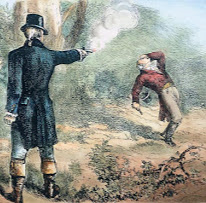
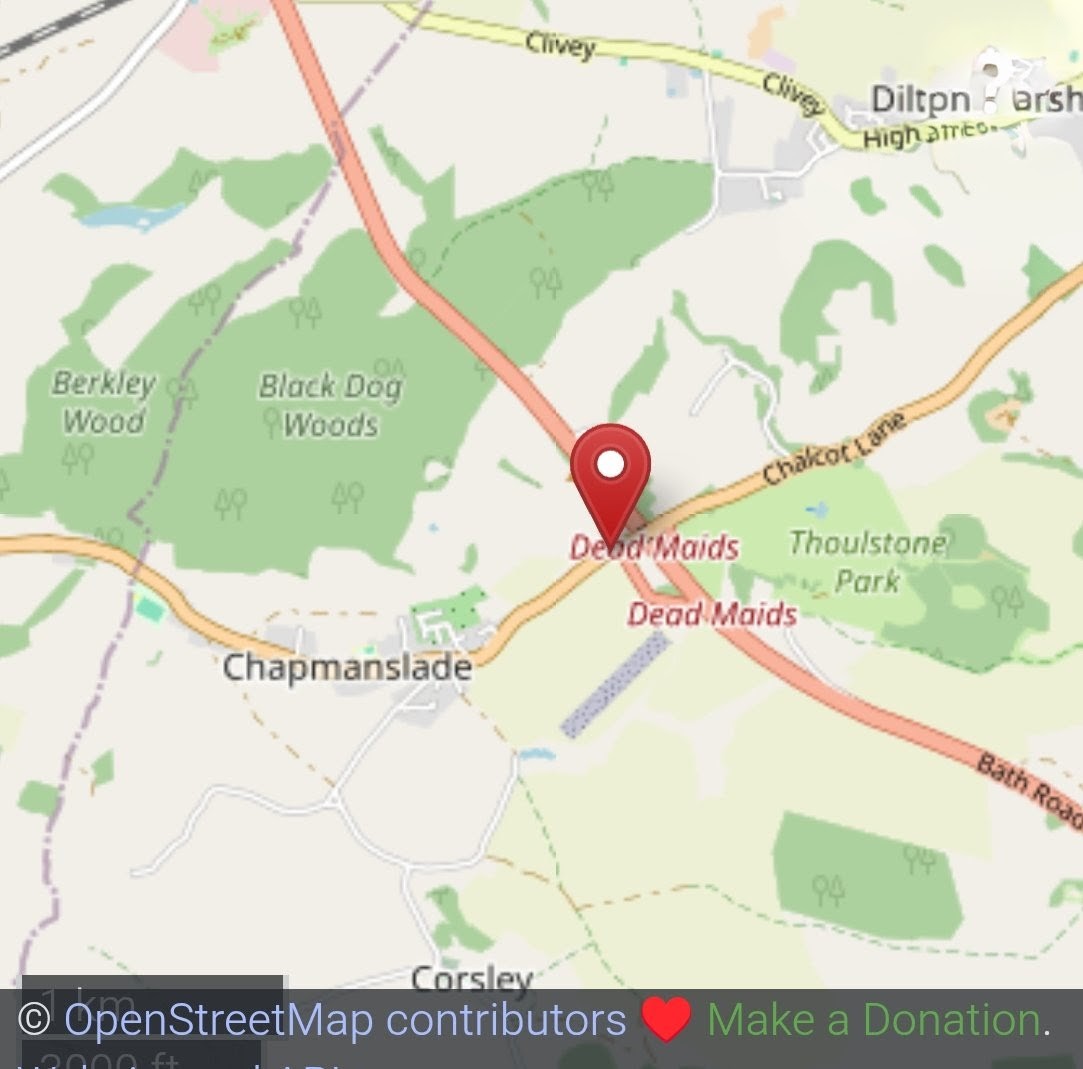
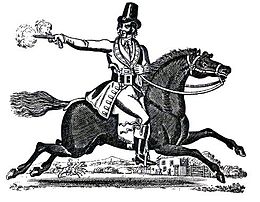
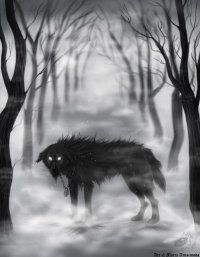



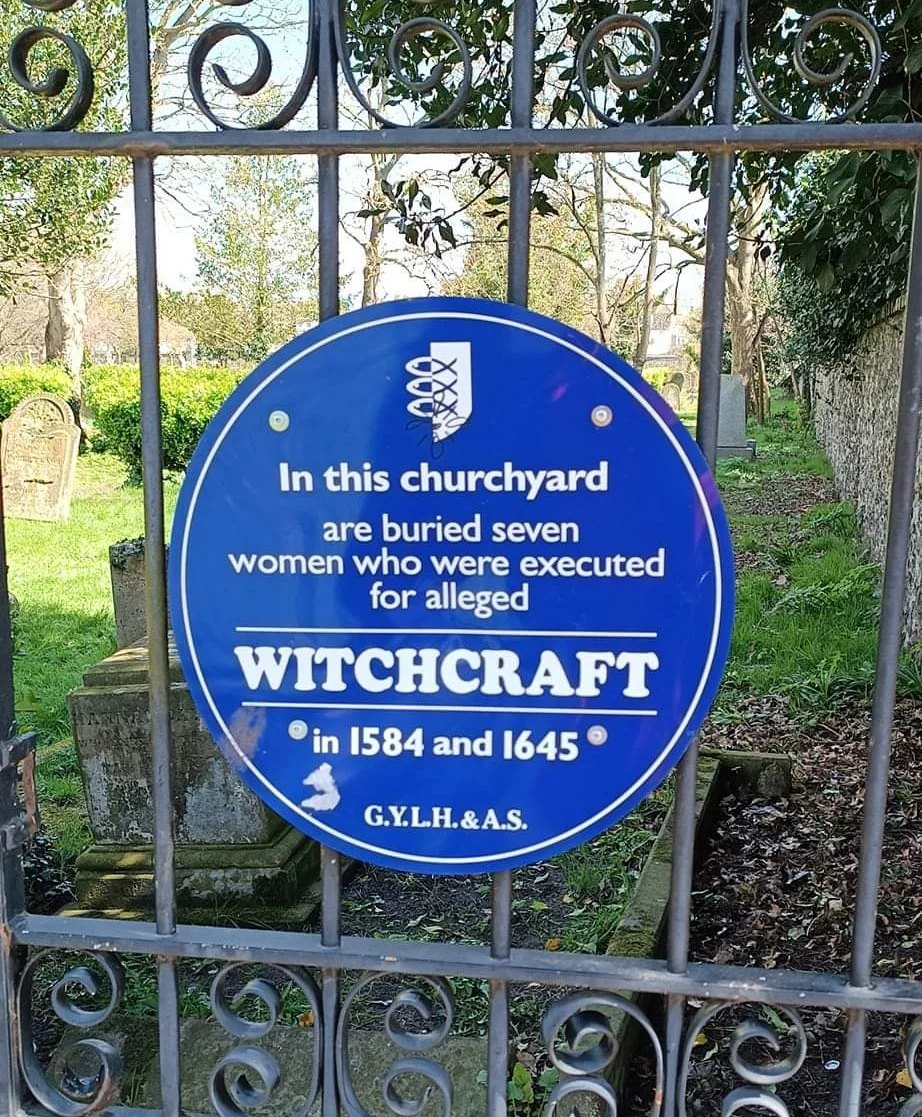
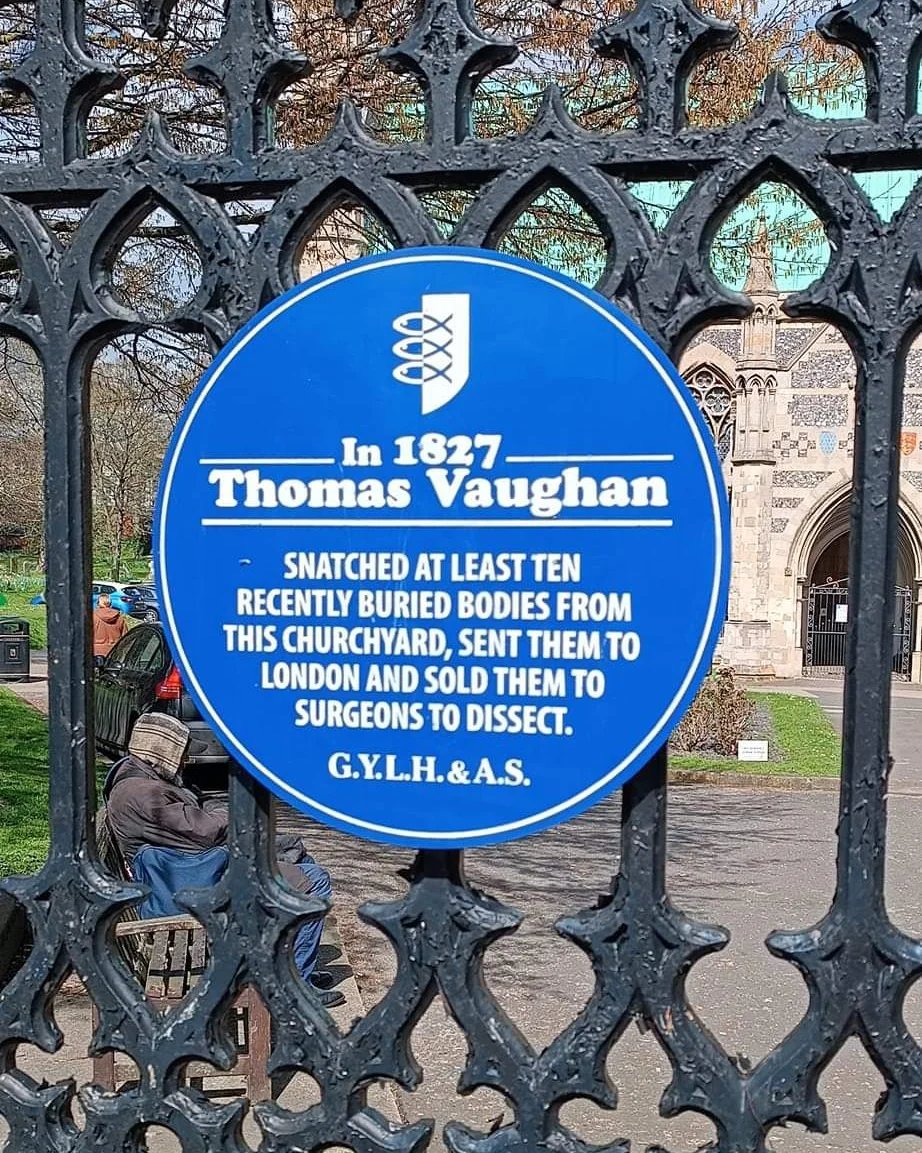
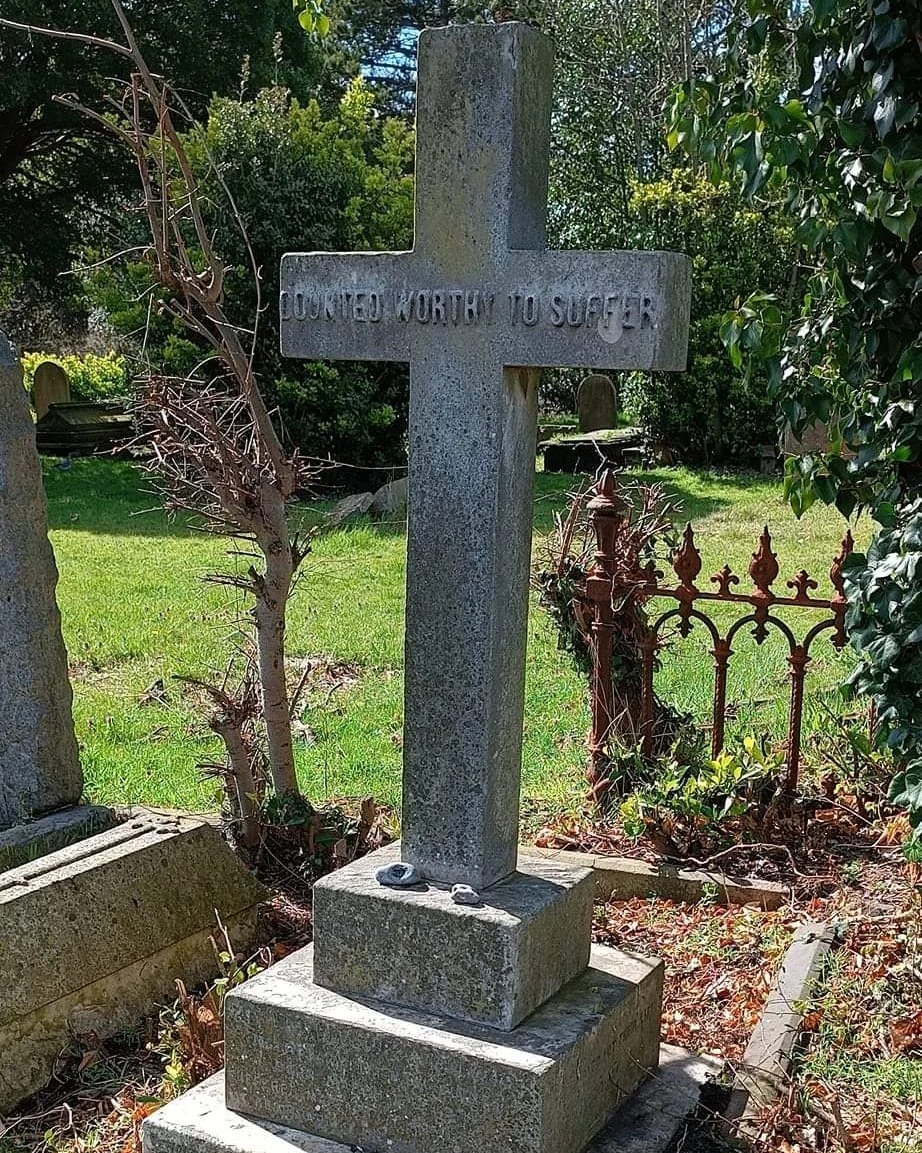
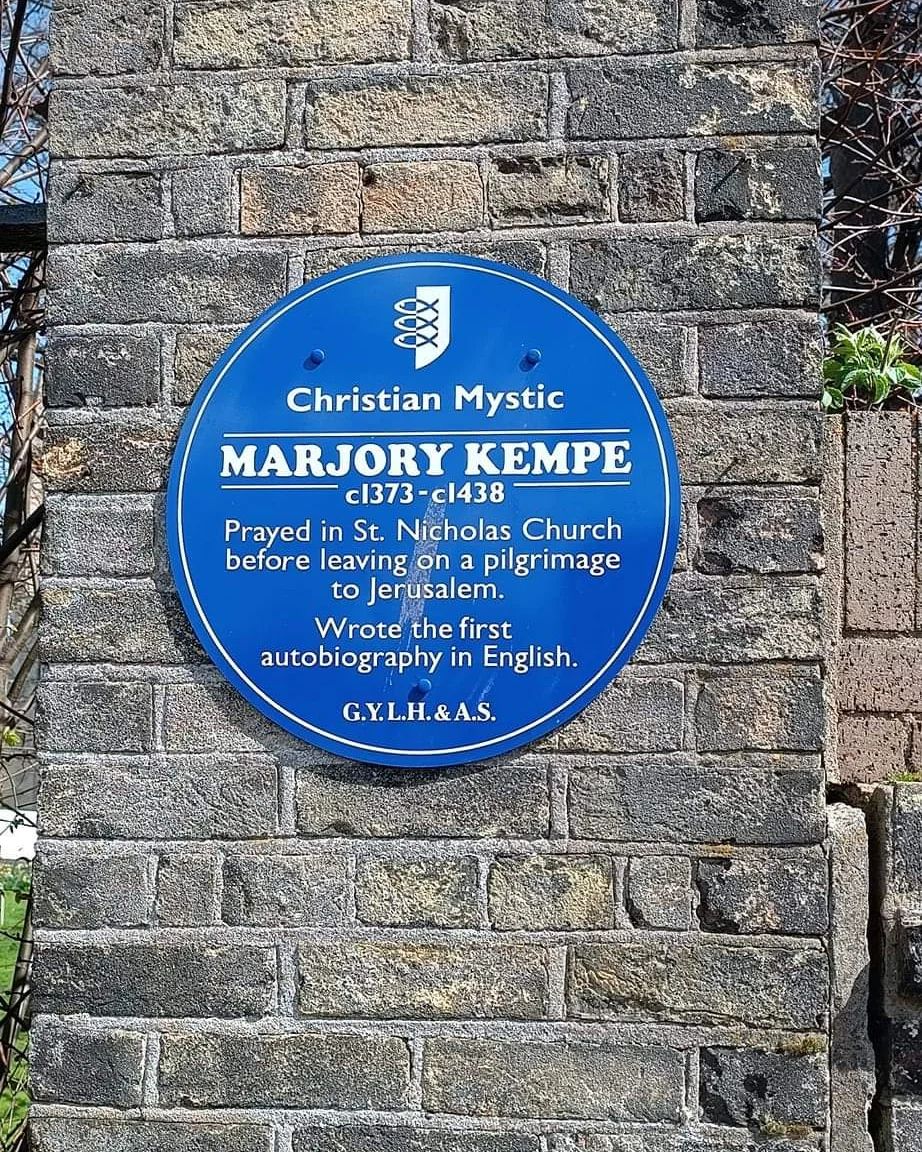
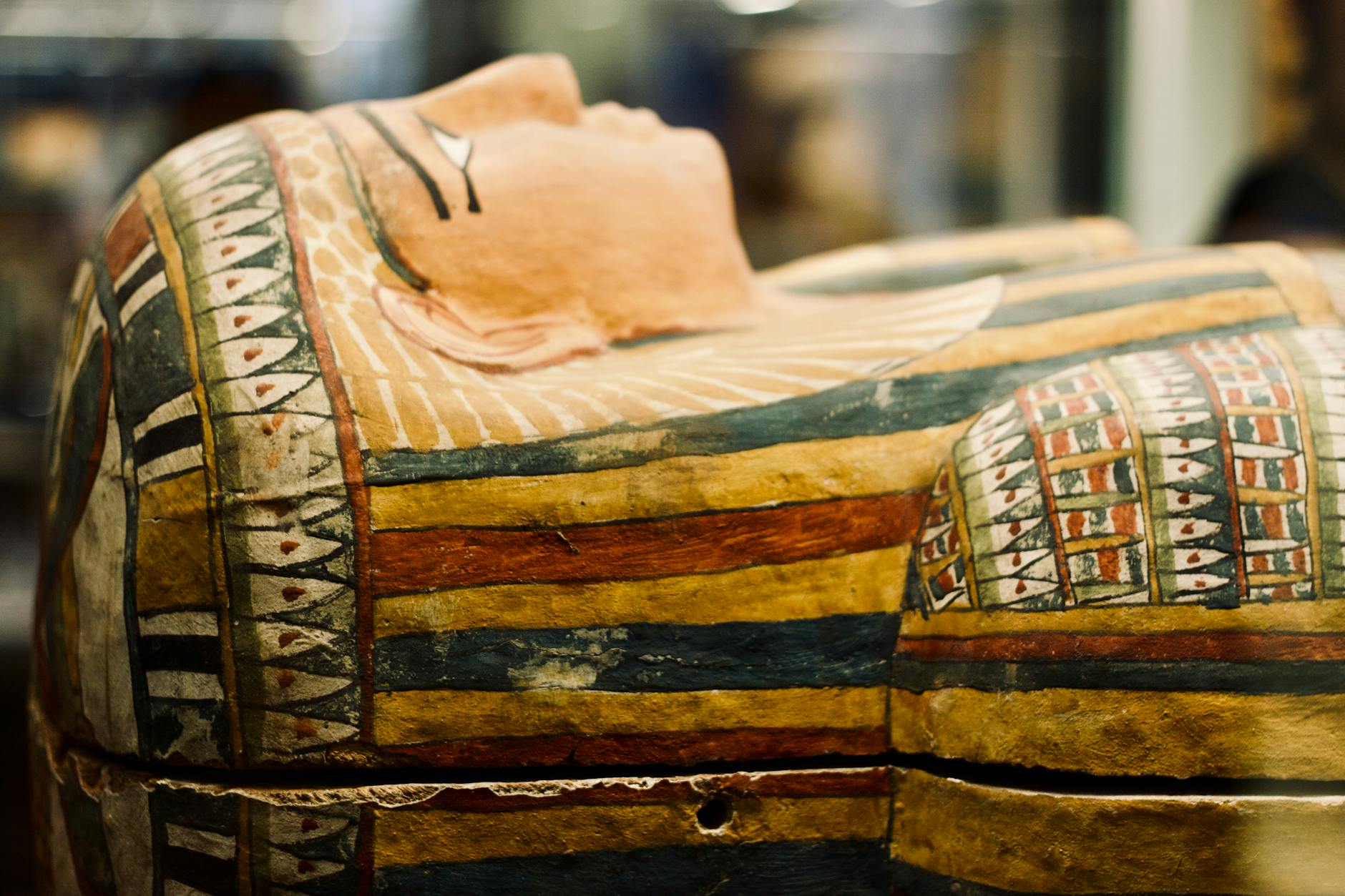


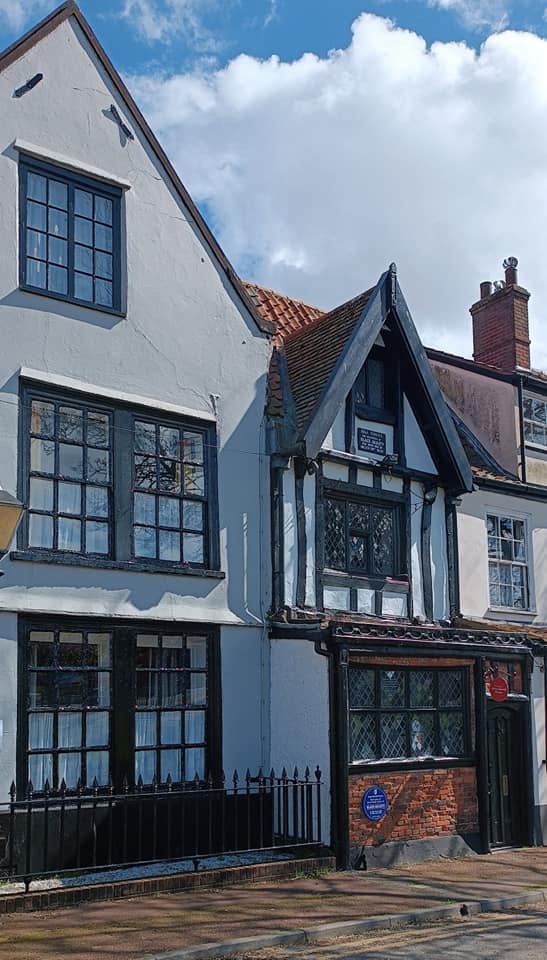

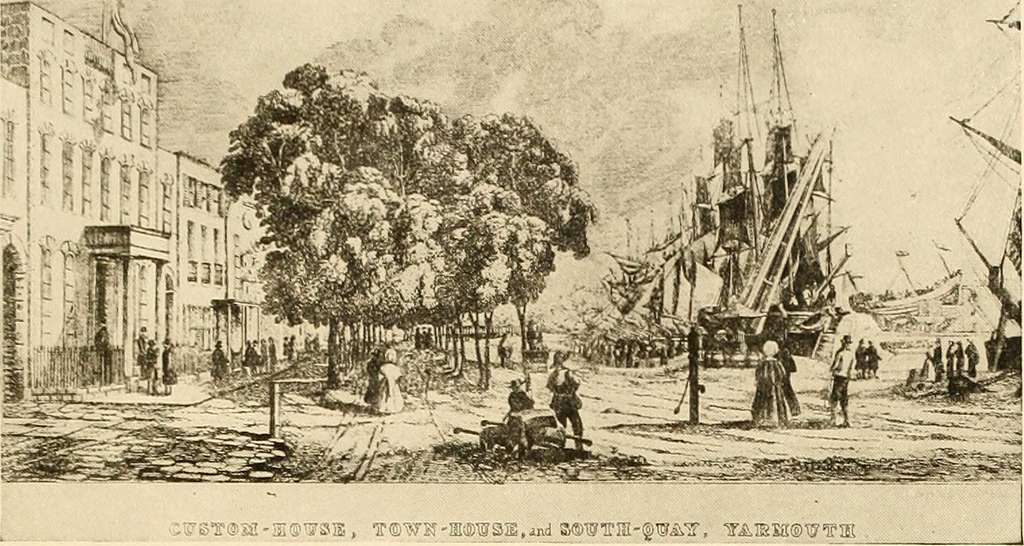


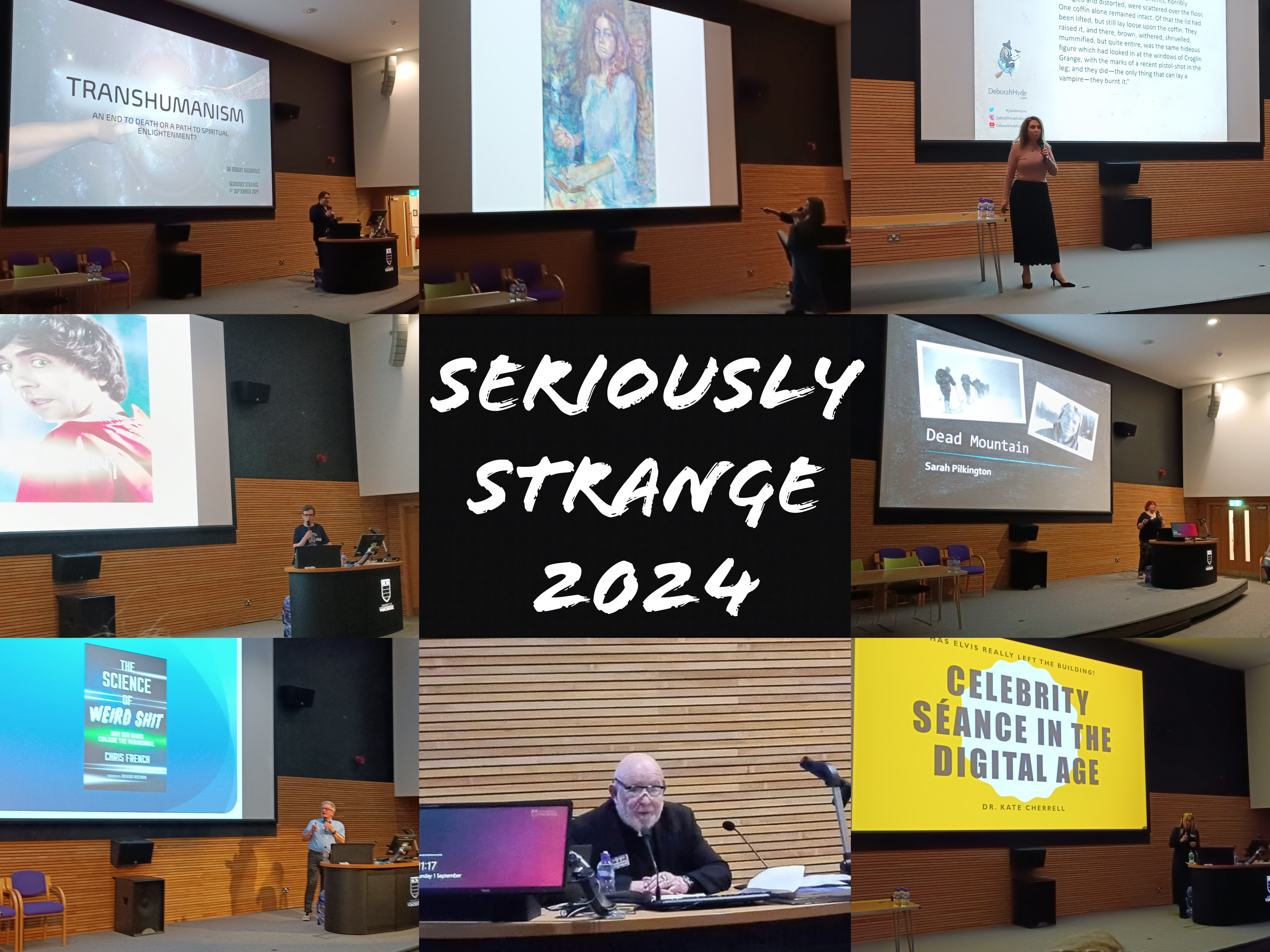


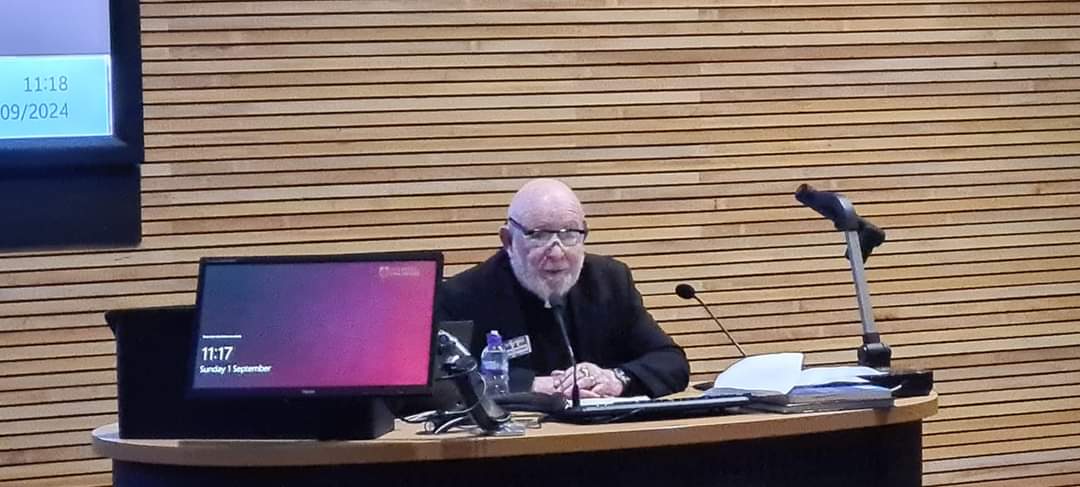


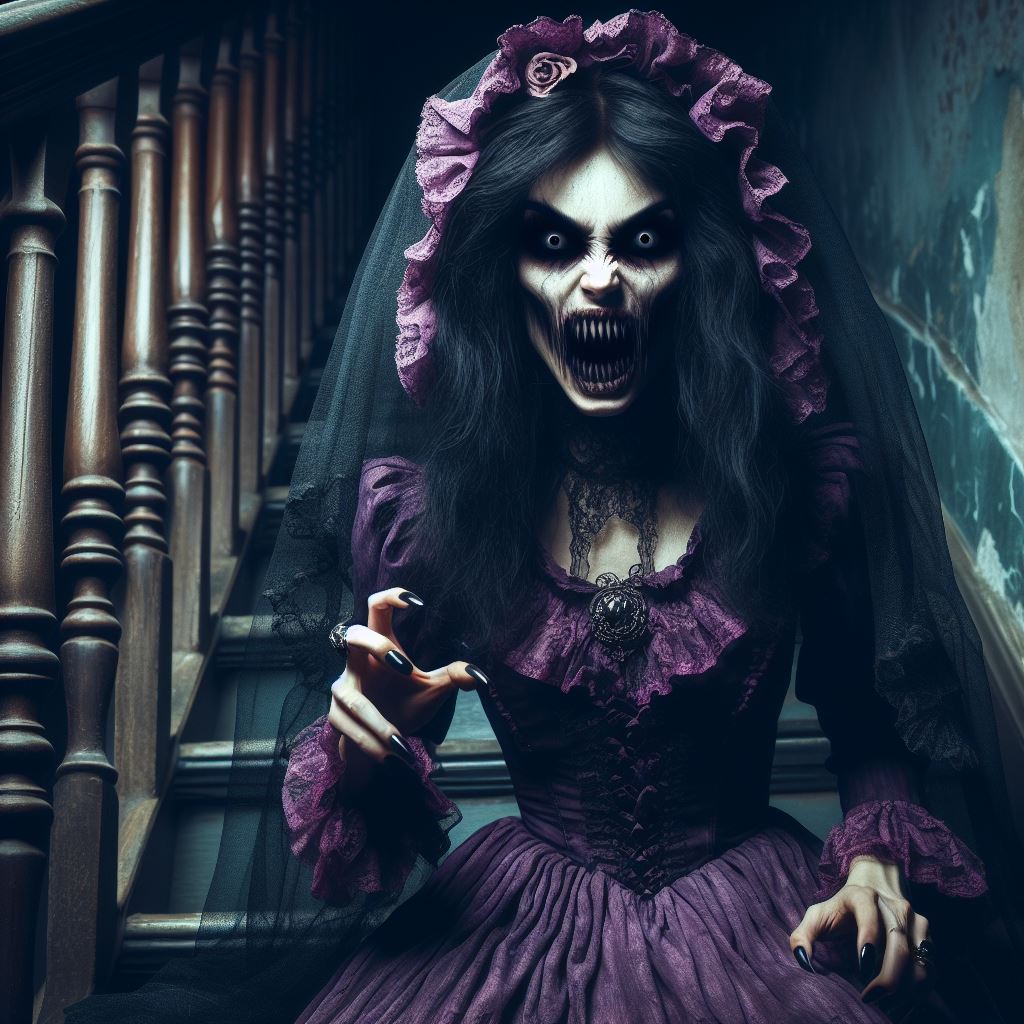


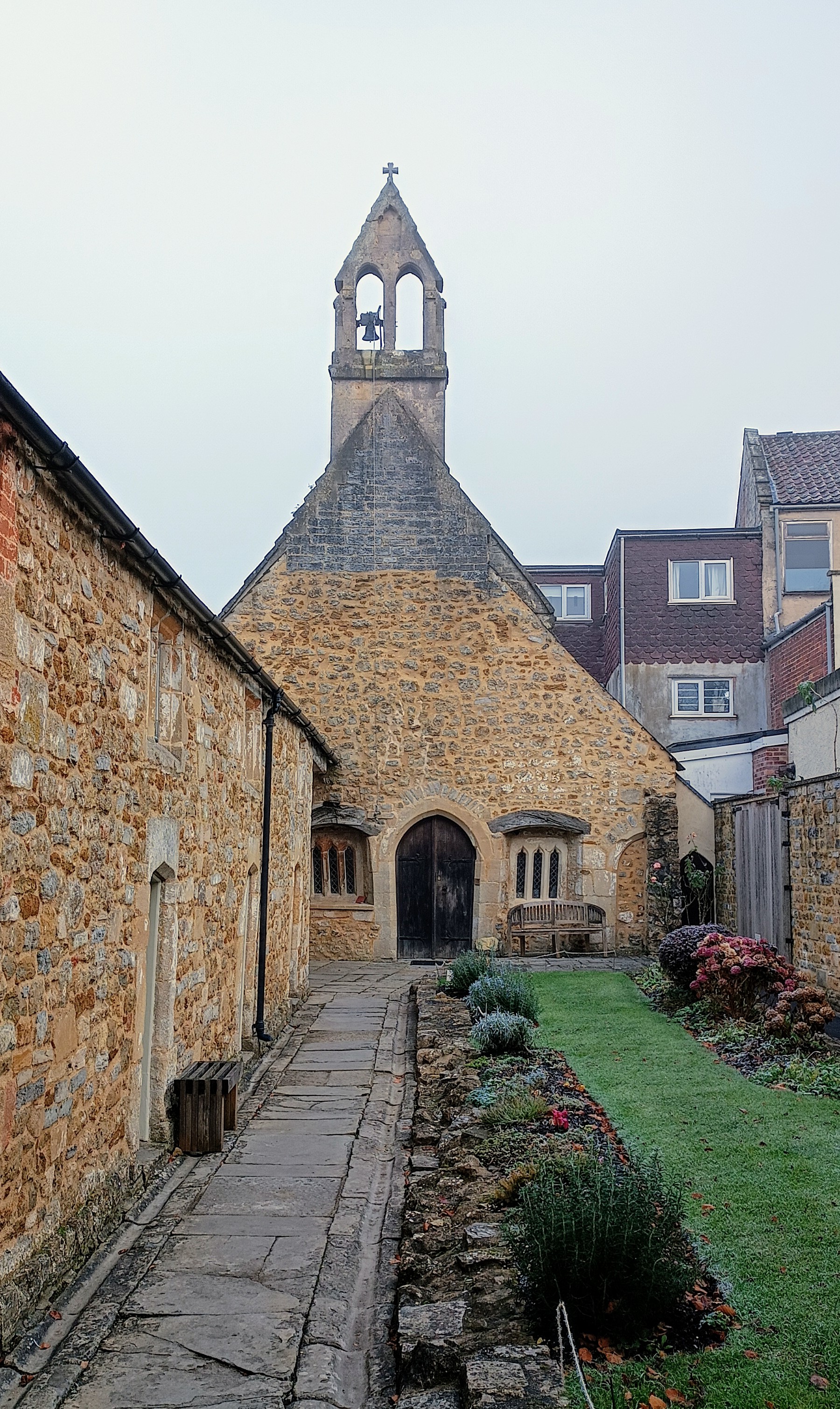
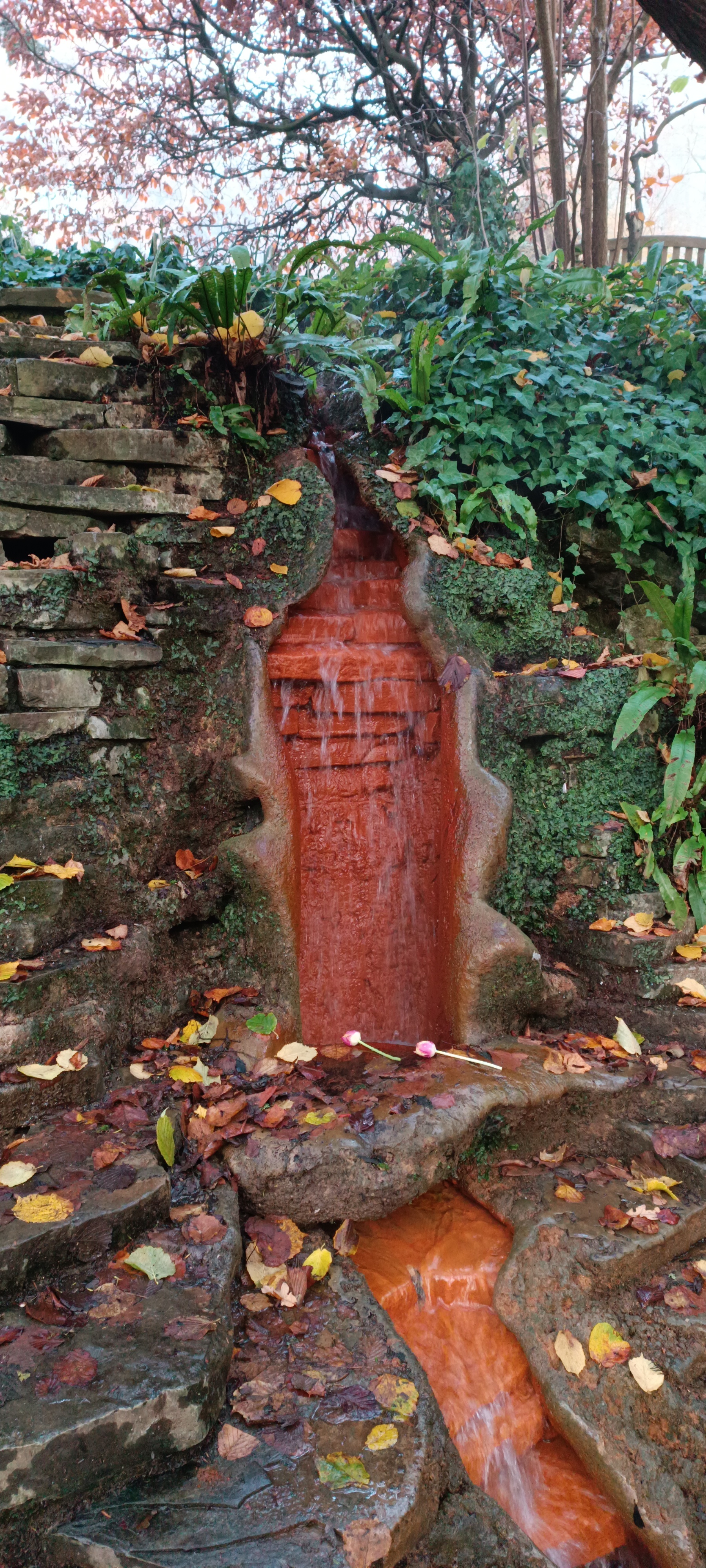
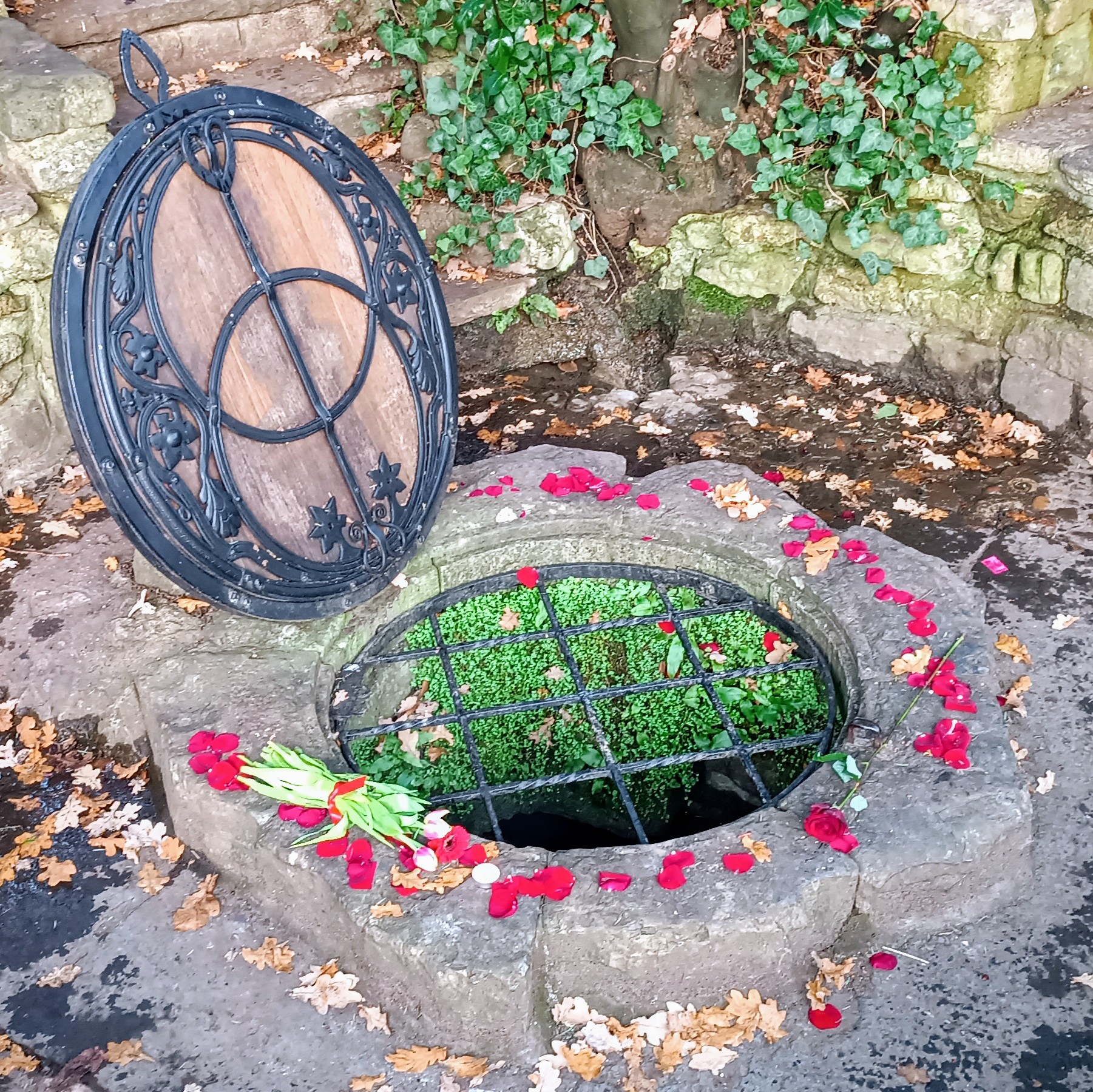


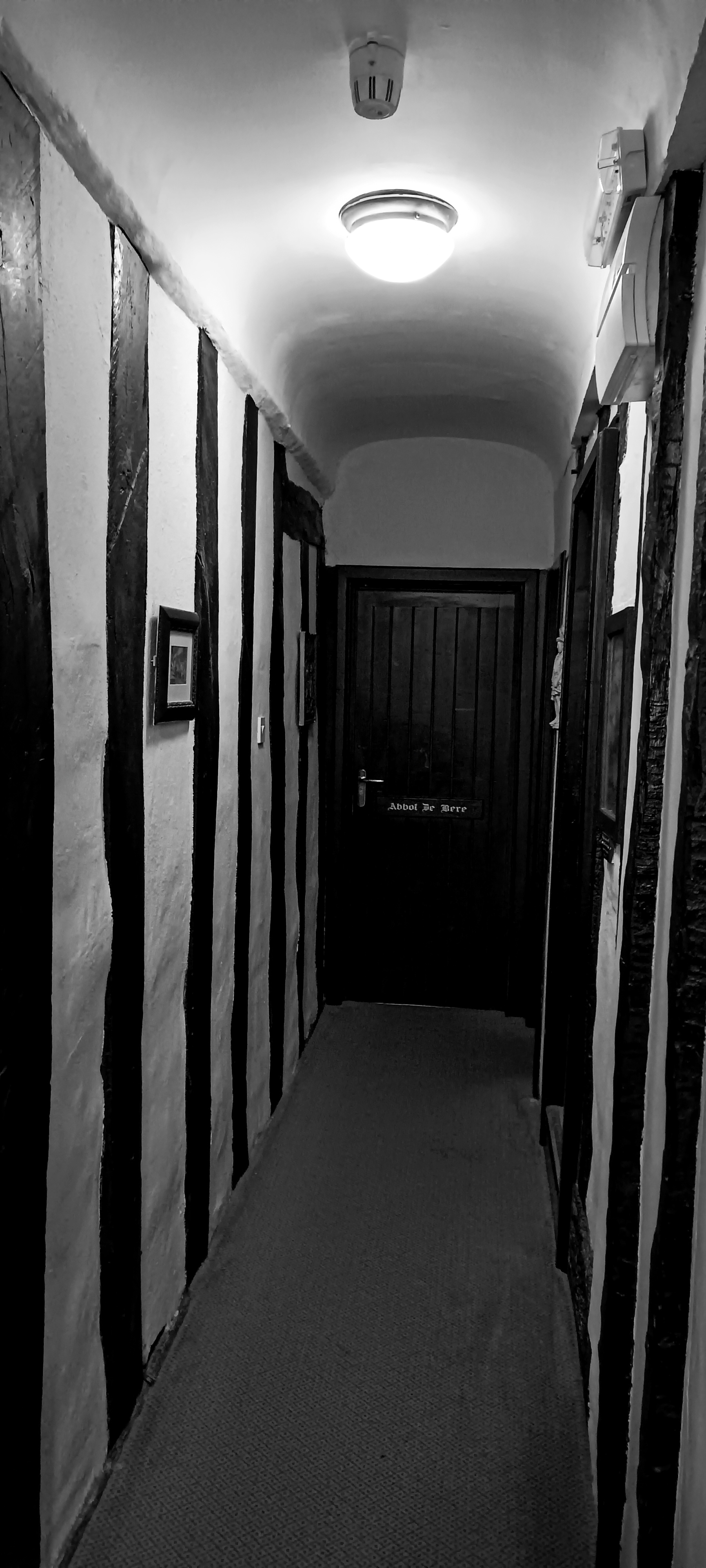
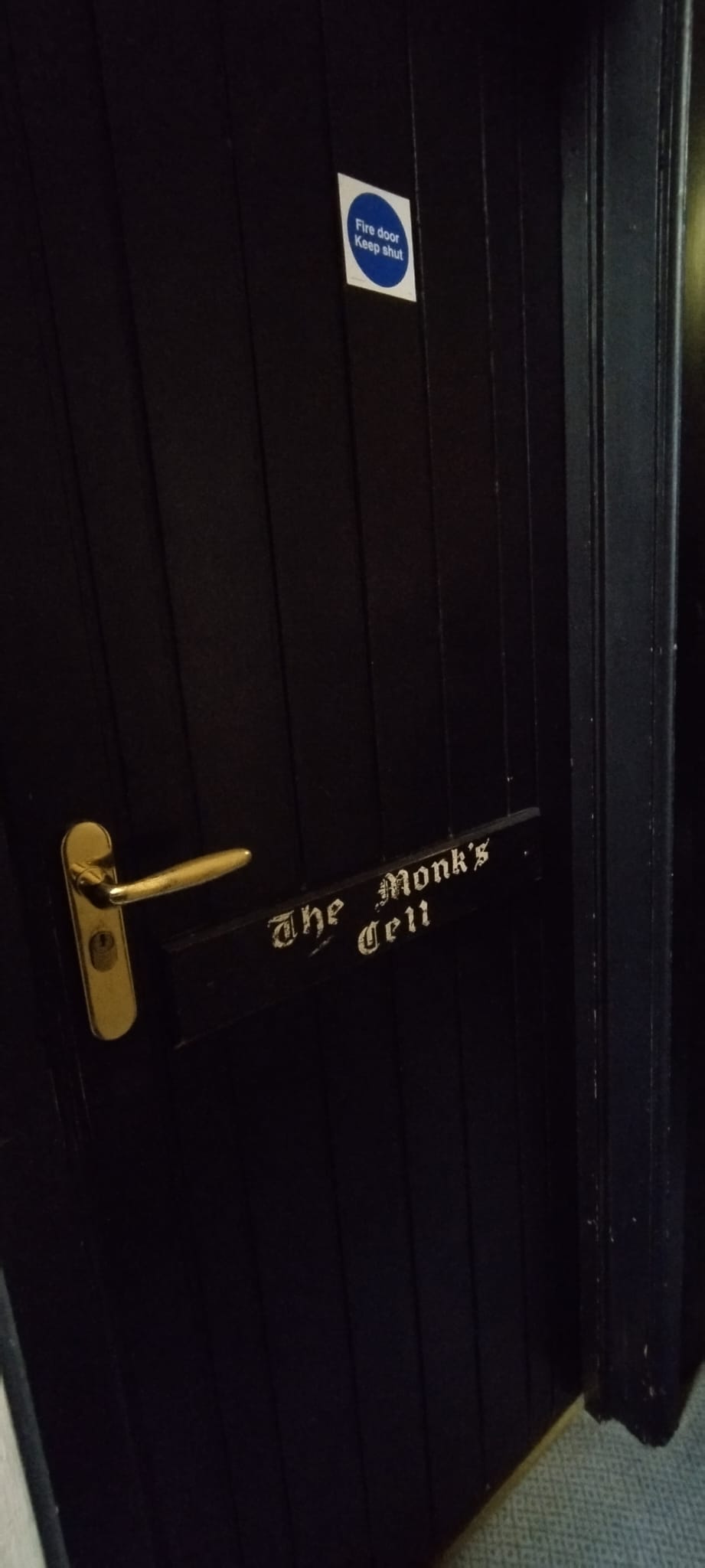


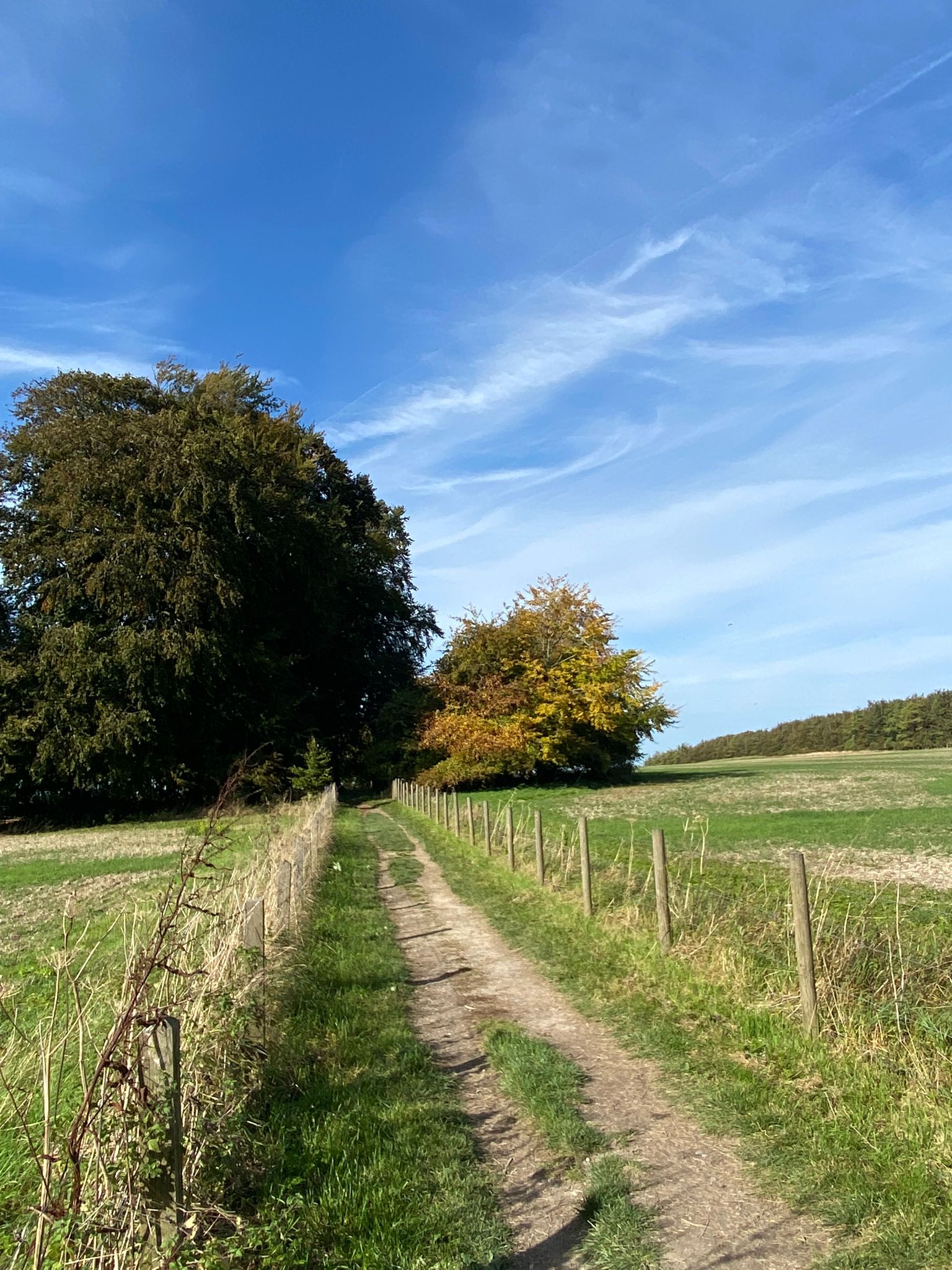

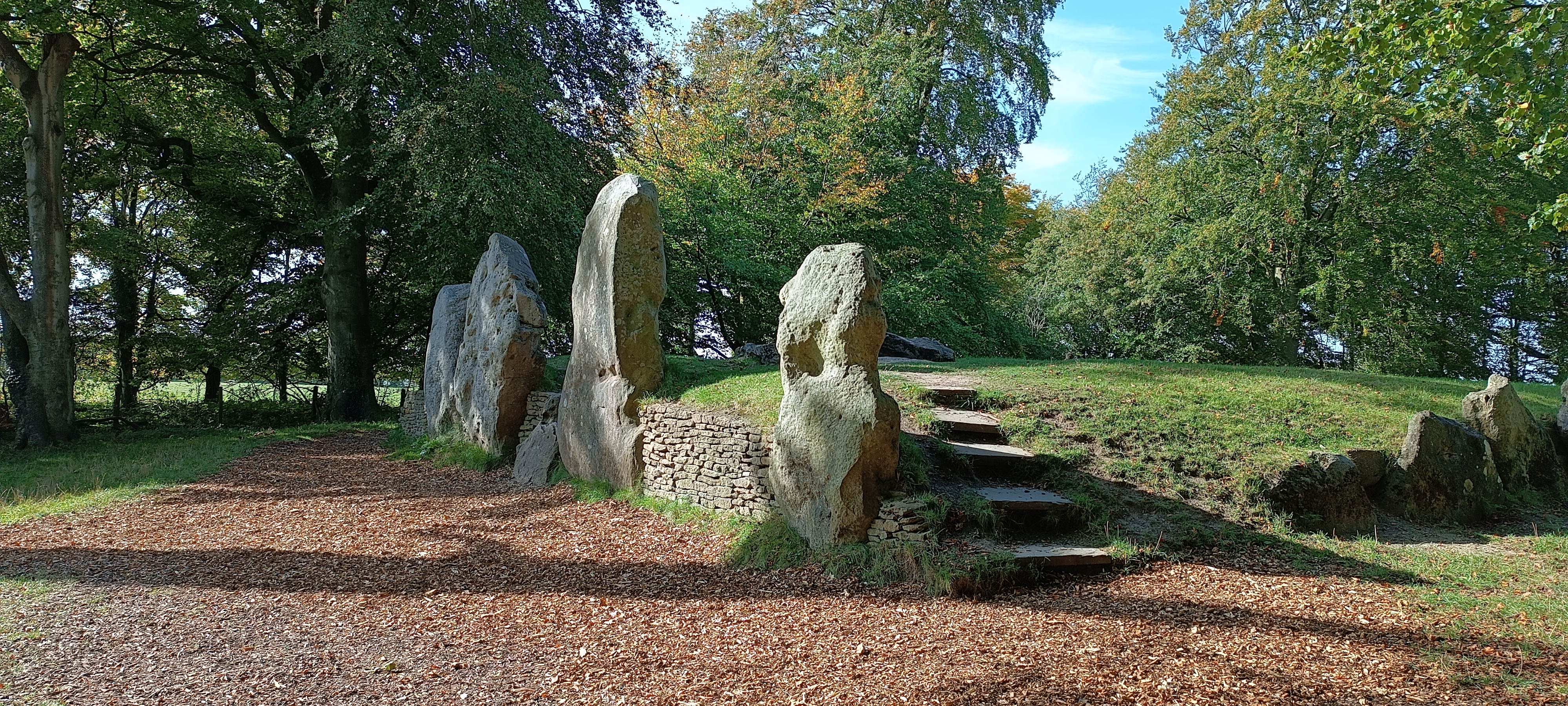


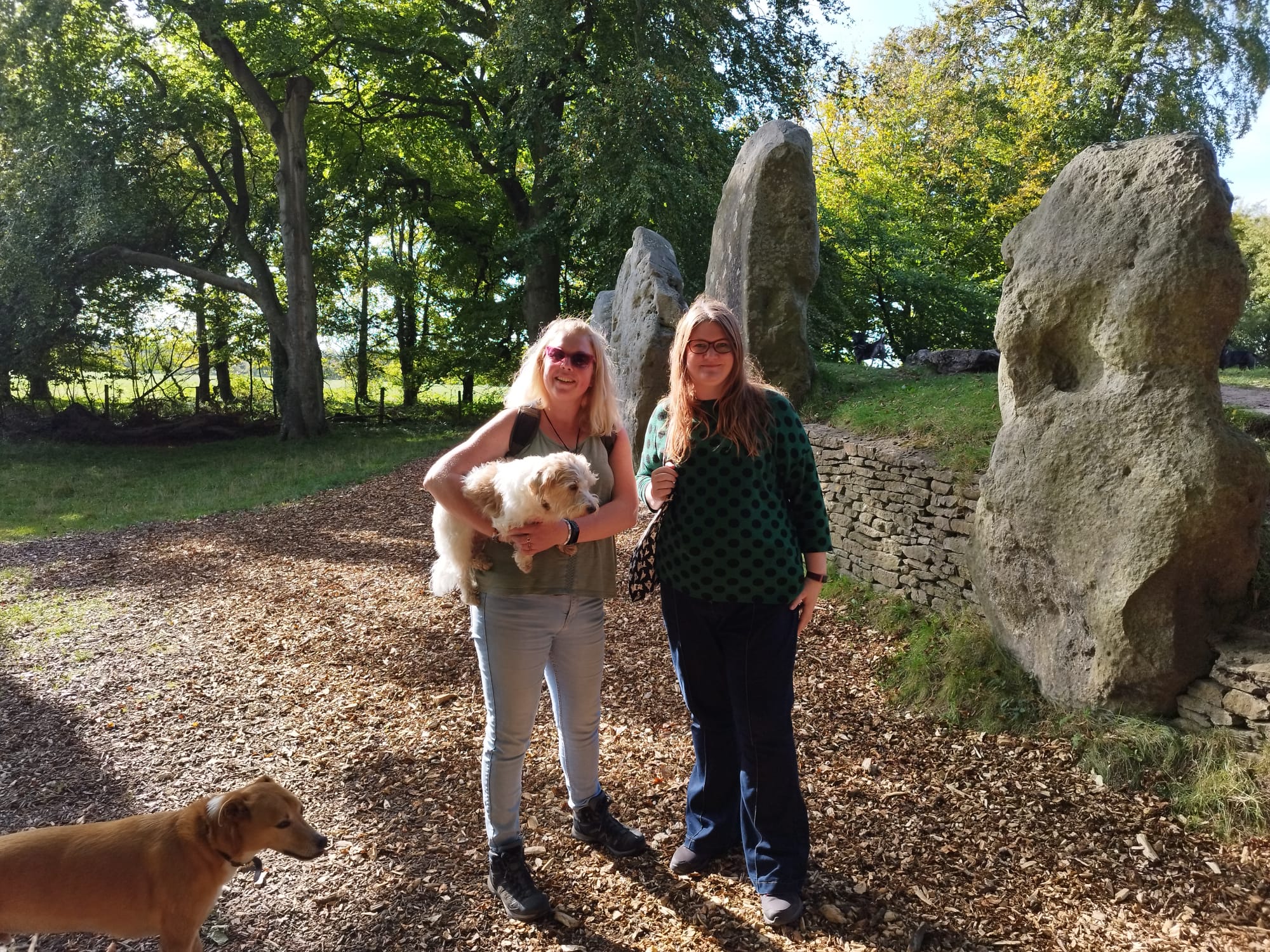
 Ghost Catcher Isles

Leave a comment