Welcome to Ghost Catcher Isles, chronicling the weird, wonderful and eerie of the isles of Great Britain and the Republic of Ireland. Come with me on my adventures into the strange and paranormal
A Gothic Tale of Secrets and Victorian Spiritualism
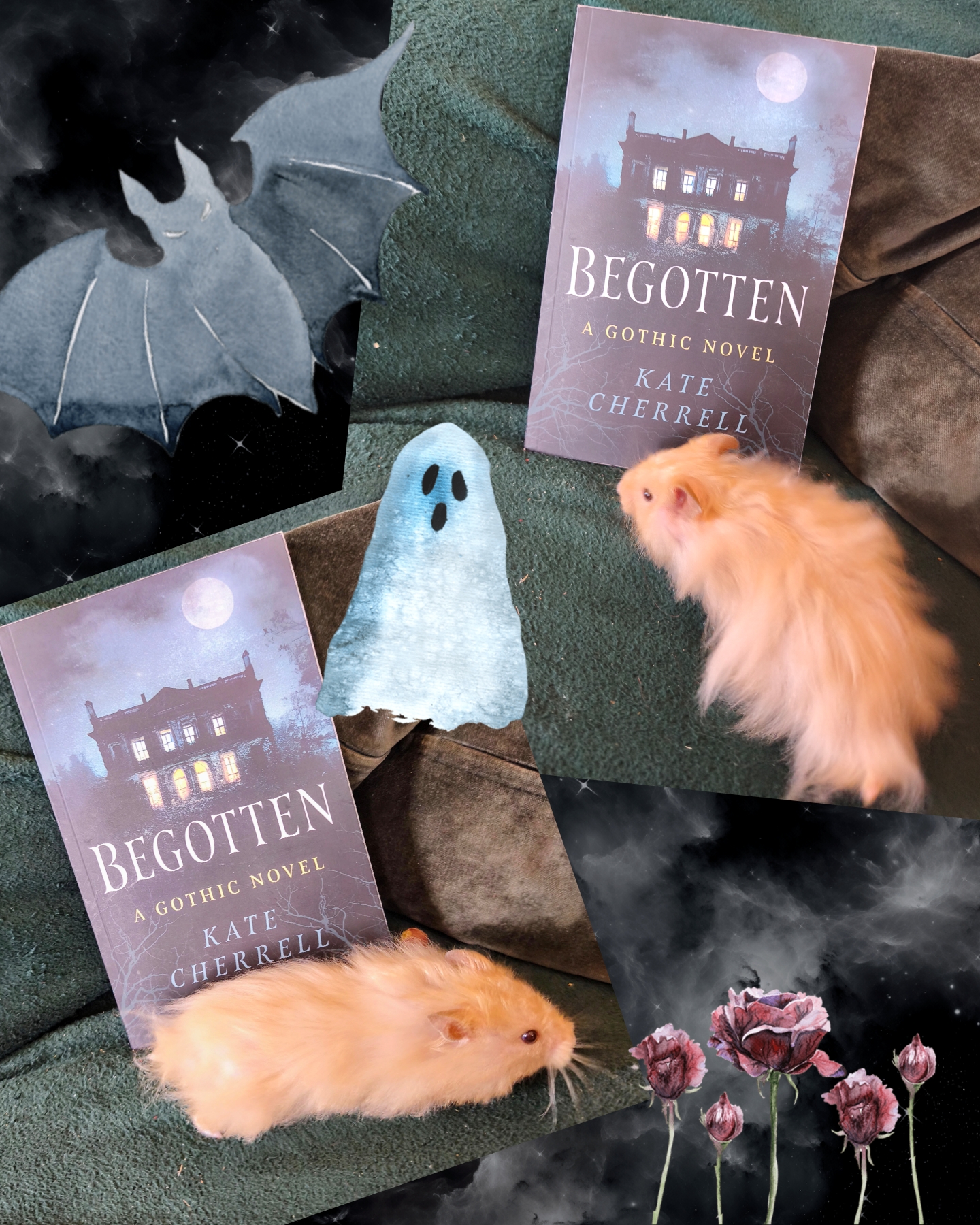
(Image: Begotten, and avid reader, the late Nimbus. Source: E.Holohan 2025)
I’ve always been a fan of a good ghost story, especially when there’s some interesting history behind it. I don’t tend to dip into a lot of Gothic horror, but my curiosity was captured by the premise of Begotten, which places Victorian spiritualism at its heart. This is the debut novel of Dr Kate Cherrell, writer of Burials and Beyond blog, and there are plenty of nods to the history of spiritualism throughout.
The story follows Alice Crofton, a young woman who returns to her family’s ancestral home in Ireland after the recent death of her father. The house is bleak and isolated and is filled with secrets and strange events. While Alice tries to make sense of things, she finds herself surrounded by a cast of rather odd characters. As the story builds pace, it becomes increasingly more difficult for Alice to tell what might be supernatural and what might have a more ordinary explanation. I won’t say too much about the plot, as I don’t want to spoil it for you, and I think it’s better to discover things yourself as the story unfolds.
One of the things I particularly enjoyed was the atmosphere. Kate does an excellent job of bringing the old ancestral pile and its gloomy surroundings to life. There’s a real underlying sense that something isn’t quite right going on. Her writing is descriptive without being unnecessarily complicated, and I found some parts very creepy indeed.
I also really liked the way she incorporated Victorian spiritualism and paranormal history into the story. Kate clearly has expertise and excellent knowledge of the subject and it shows in the historical detail included. I felt this really added depth to the book. I have an interest in this type of history myself, so I enjoyed seeing how it was woven into the fictional story, rather than simply being dropped in as background information.
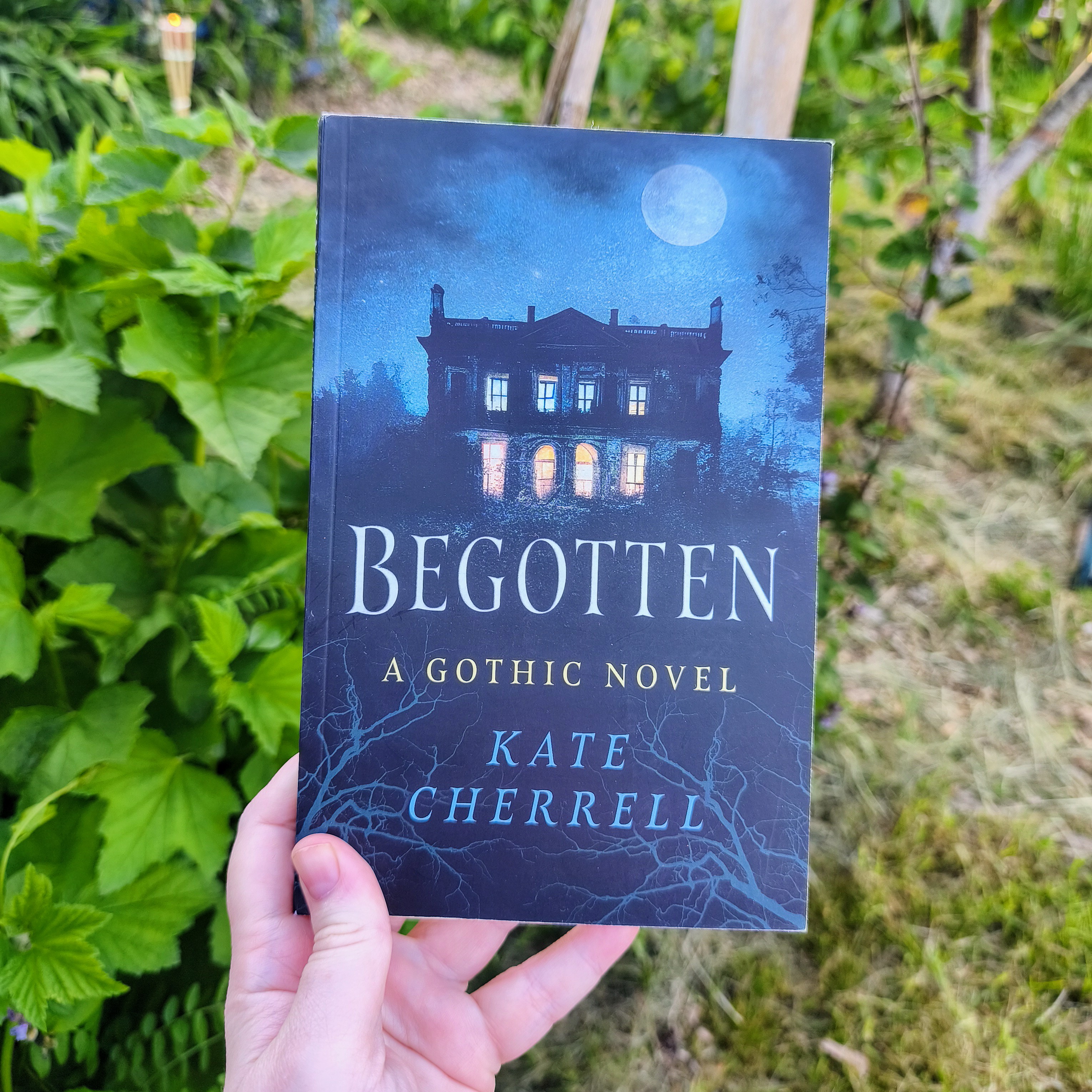
(Image: Begotten book cover. Source: E.Holohan 2025)
Another aspect of the book I enjoyed was Kate’s sense of humour. I appreciate a bit of dark, macabre, dry humour and there are plenty of amusing moments and wry turns of phrase amongst the unsettling storyline. I thought this worked well in providing a contrast to the darker aspects of the story.
Begotten is something of a slow burner. It takes its time building up the atmosphere and suspense, rather than charging forward with constant scares and dramatic events. I was keen to find out what was really happening and there were certainly some moments of unease along the way. It’s also one of those books that left me pondering it for a long time after I’d finished reading.
Overall, I enjoyed Begotten and thought it was a creepily good read. I especially appreciated the mix of paranormal history, supernatural mystery, Gothic atmosphere and Kate’s slightly dark, dry sense of humour. If you enjoy ghost stories, creepy old mansions and Victorian spiritualism, I’d highly recommend giving this a read. I’ll certainly be interested to see what Kate writes next.
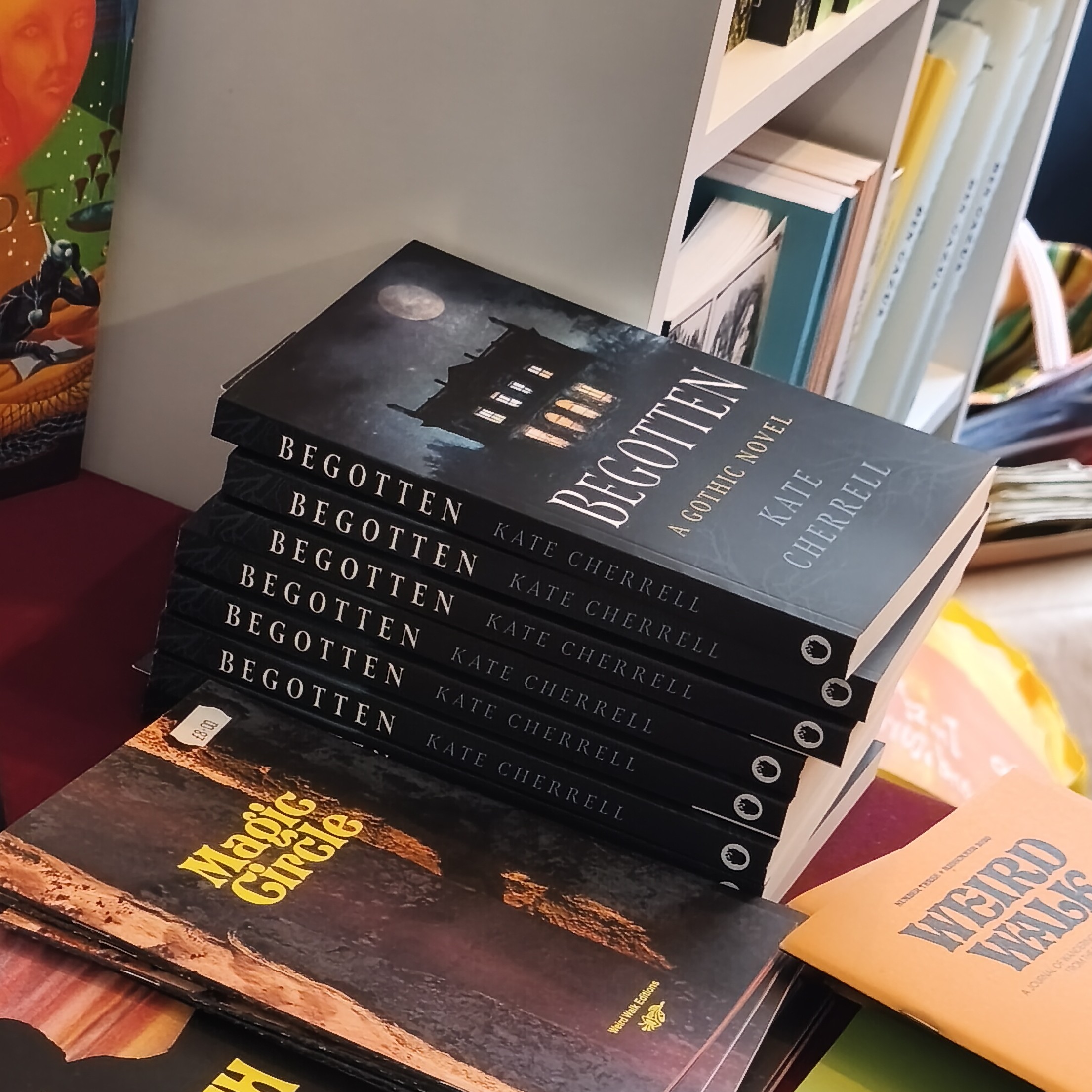
(Image: Begotten book pile. Source: E.Holohan 2025)
Begotten by Kate Cherrell
Published by Roundfire Books (2025)
If you’re interested in reading it yourself, you can find Begotten here.
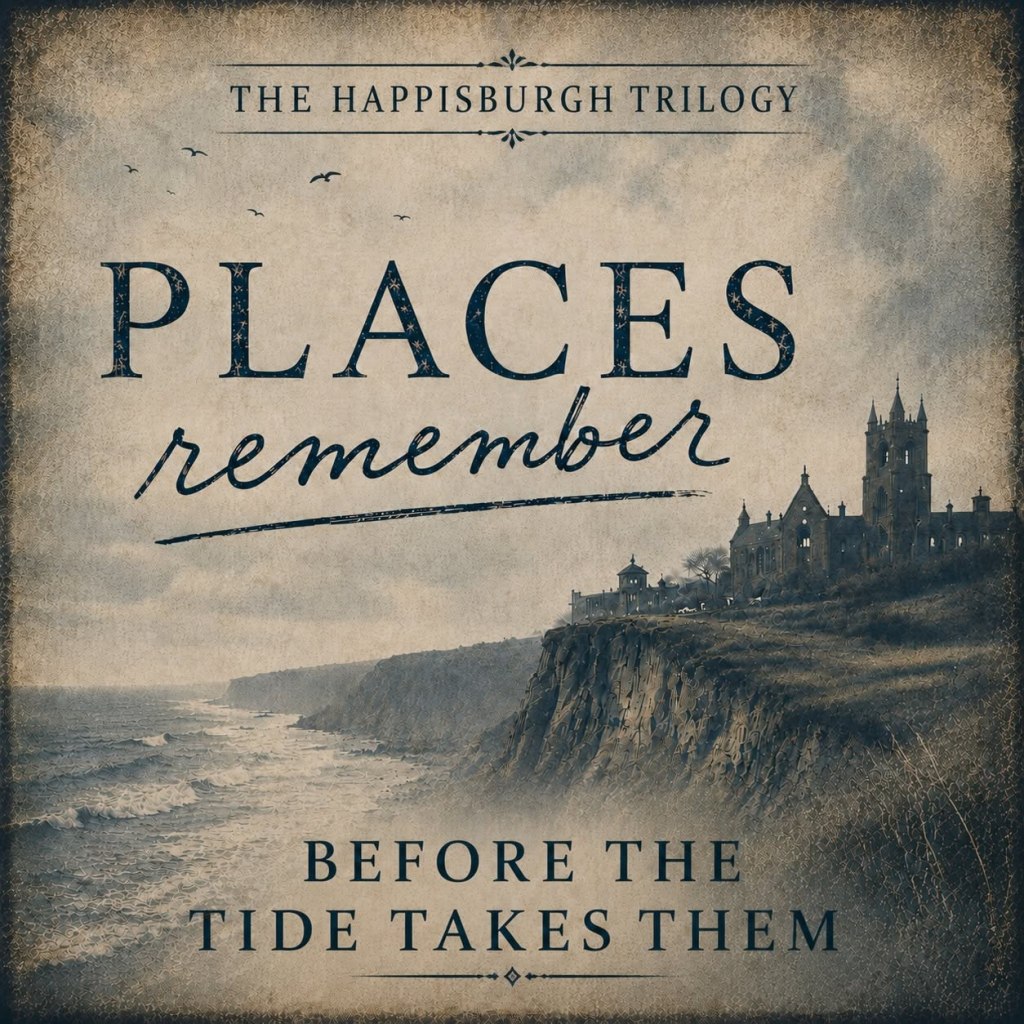
(Image: Before the Tide Takes Them. Source: Places Remember, N.Higgins, 2026)
I recently had the chance to take a small part in a new audio drama podcast called Places Remember. The first episode, “Before the Tide Takes Them”, takes us to Happisburgh on the Norfolk coast and into the rather dark story of Jonathan Balls, better known as the Happisburgh Poisoner.
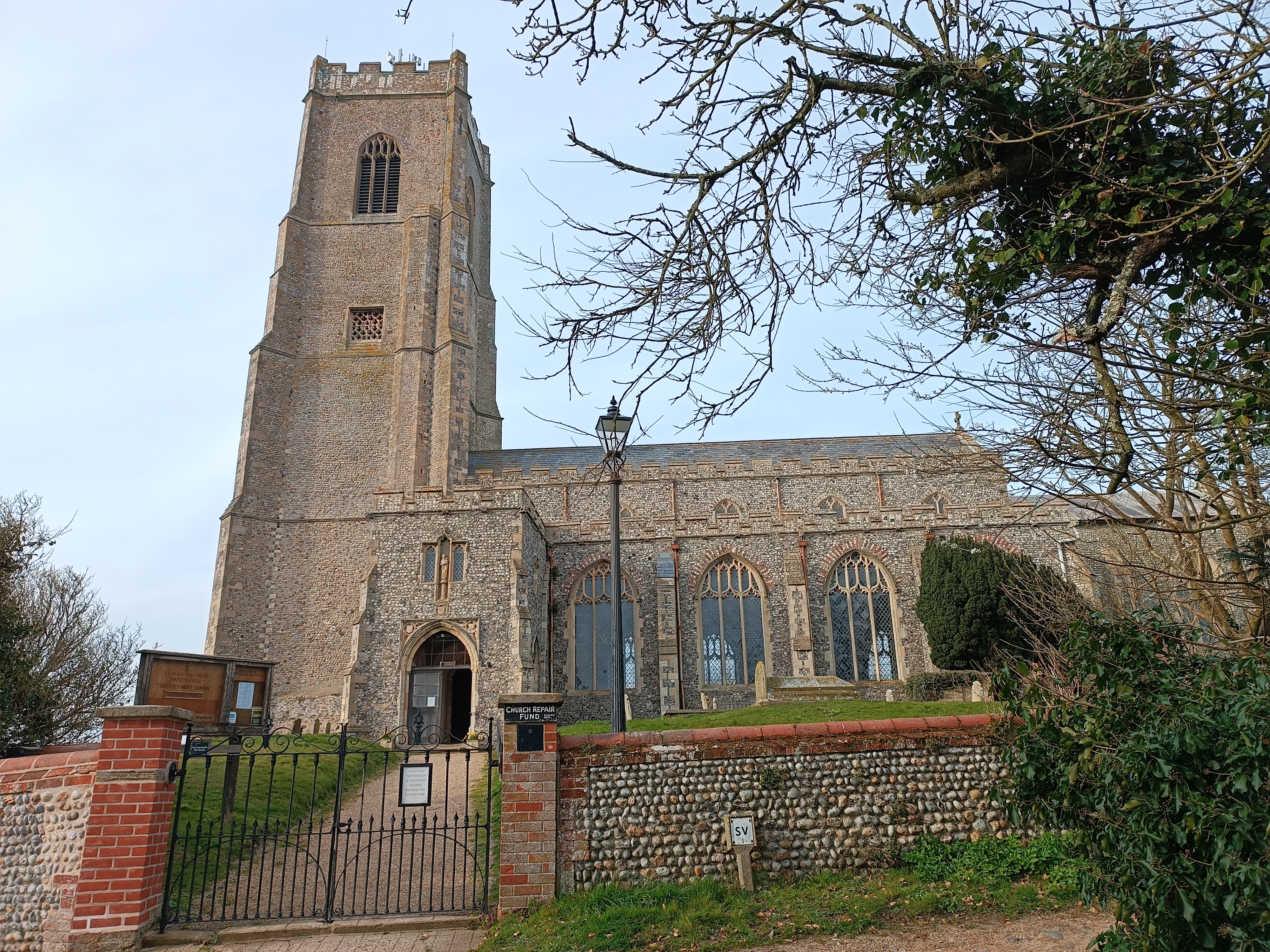
Happisburgh has always had a special place in my heart. My mum Sue was born there and spent her early years living in a little cottage in the village with my grandma Jean and my Irish grandad Terry. My great grandma, Nanny Winnie, also lived in Happisburgh and once worked as a barmaid at the Hill House pub. I grew up in a nearby village and have lots of childhood memories of visiting relatives in Happisburgh and playing at Nanny Winnie’s house. She now rests with her second husband Bob in St Mary’s churchyard.
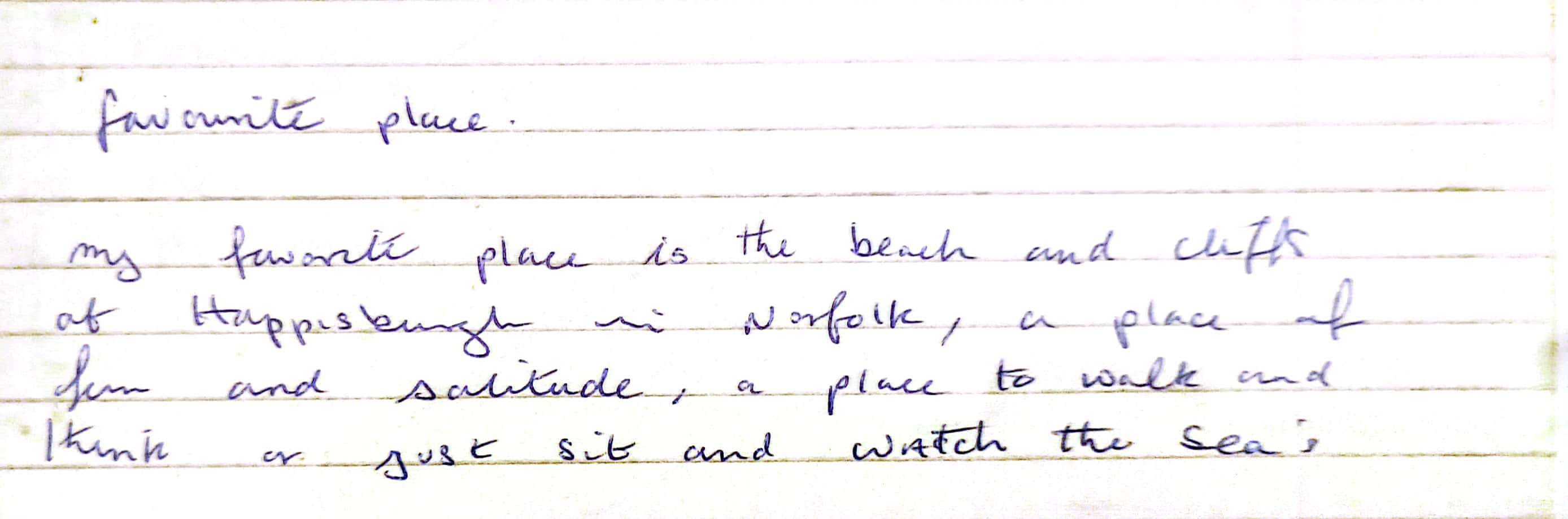
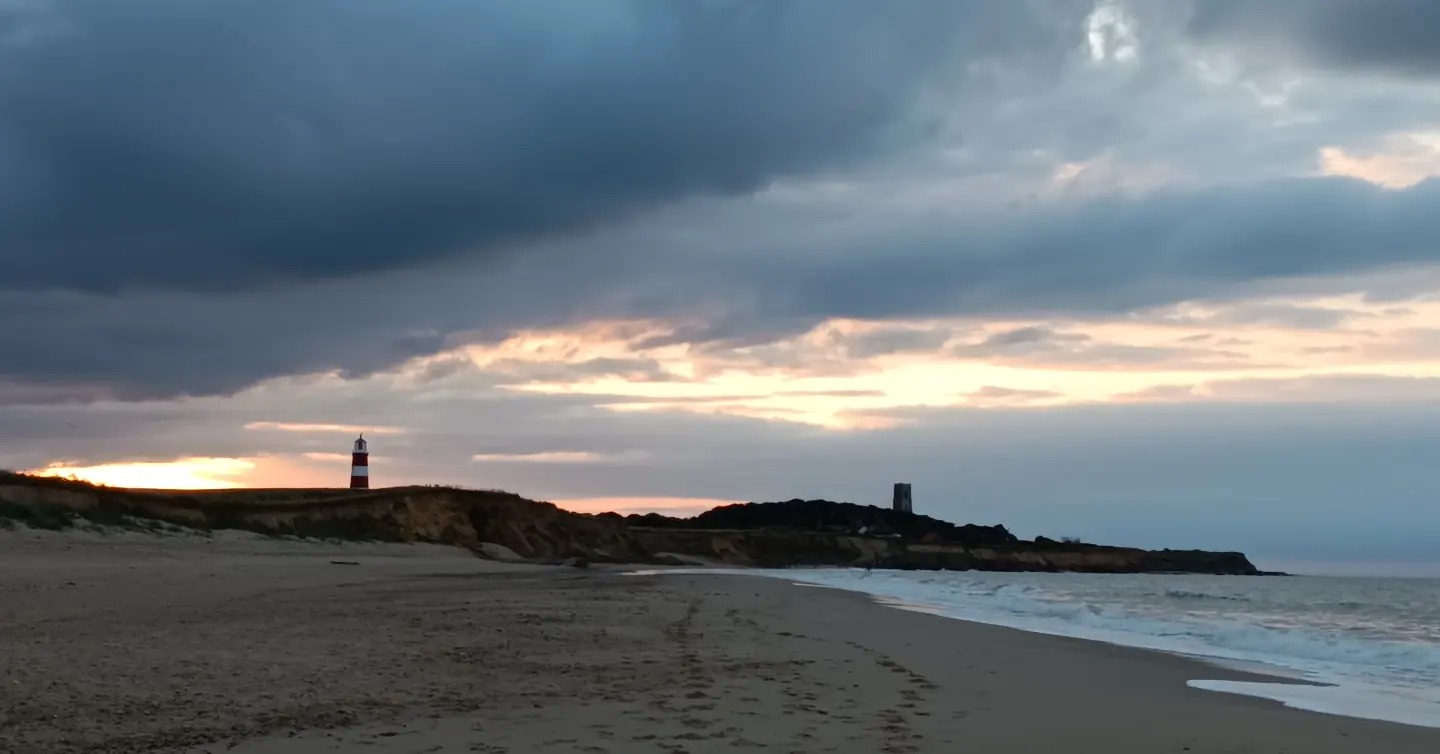
When I think of Happisburgh I think most of all of the beach. It was one of my mum’s favourite places, her “happy place”, and I have many memories of walking there with her. Then there is the wonderful candy-cane red and white lighthouse, standing like a lone sentinel over the village and coastline.
(Image: Handwritten extract from Susan M. Gayfer’s personal notebooks. Source: E.Holohan personal collection 2026)
Sadly it is also a coastline that is gradually disappearing. Coastal erosion has long been part of Happisburgh’s story, which makes the title “Before the Tide Takes Them” feel particularly appropriate. There is something quite poignant about preserving the stories of a place where the landscape itself is being slowly and steadily lost.
My mum loved the paranormal, Forteana, true crime and dark history, and she was fascinated by Happisburgh’s many strange stories. Jonathan Balls was a particular favourite of hers.
The story takes us back to the 1840s, when a disturbing series of deaths among Balls’ family and others in the village eventually raised suspicions of poisoning. Arsenic was discovered, questions began to be asked, and the story became considerably darker.
And then there is Jonathan Balls’ burial. Why, according to local tradition, did he want to be buried with a Bible, a plum cake, a fire iron, coal tongs and handkerchiefs?
I’m not going to tell you. You’ll have to listen!
(Image: St Mary’s, Happisburgh. Source: E.Holohan 2025)
My mum always wanted to know more about the case and, for reasons probably best described as dark tourism, was particularly keen to discover exactly where Balls was buried in Happisburgh churchyard. I think she would have been rather excited that I ended up taking part in an audio drama about him. She’d certainly have been grilling me for more information and poring over all the research on the website. And I strongly suspect she’d still be asking me where his grave was so we could go and find it.
So when Nigel told me he was thinking about a new project based around Happisburgh, I really wanted to be involved. I asked for a small role and ended up playing Maria Lambert, one of the gossiping villagers. It seems quite appropriate that my first venture into voice acting involved gossiping about suspicious happenings in a Norfolk village!
Some of the scenes were recorded online with other members of the cast, while for others I recorded my lines separately and sent them in. My husband Ed also got involved by playing Reverend Birch, so it was a first venture into voice acting for both of us. I was slightly nervous about hearing myself in the finished episode, but I was actually quite pleased with how I sounded. Even a little of my original Norfolk accent crept back in. I’m Norfolk Broads born and bred, although these days my accent is fairly neutral most of the time.
The whole cast did a great job, particularly considering that many of us hadn’t done voice acting before. The music and sound effects really bring it together, and I loved hearing the story gradually unfold. Nigel and Allison rounded it all off perfectly with their narration and deeper discussion at the end.
And this is only the beginning. Before the Tide Takes Them is the first part of a Happisburgh trilogy, combining original audio drama with discussion of the real history and research behind the story. The drama is based on historical events and contemporary newspaper reports, although characters, dialogue and some events have been imagined or adapted.
For me, being involved means a little more than simply having a small part in a podcast. Happisburgh is part of my family history and part of my childhood. It is the beach with memories of my mum, Nanny Winnie resting in the churchyard and that familiar lighthouse watching over a coastline that is slowly changing.
Being able to play even a tiny part in keeping one of its stranger stories alive feels rather special.
You can listen to “Places Remember: Before the Tide Takes Them” here:
It is also available through Spotify and Apple Podcasts.
There is also a new accompanying Places Remember website. This is still being populated, but Nigel and Allison are gradually adding historical sources, research and further information uncovered during their investigations, so it is well worth keeping an eye on as it develops:
Gothic horror and Gothic romance movies are once again gaining popularity following the release of series such as ‘Penny Dreadful’, ‘The Haunting of Hill House’ and recent movies such as Crimson Peak. These movies usually contain motifs such as death, love, sexual repression, and jealousy, and are often centred around a large house where ghosts haunt. These ghosts may be real or imagined. Often there is a love triangle or unnatural relationship element, and a climactic plot twist at the end. These movies tend to be sumptuous and beautifully shot, heightening the sense of unease and terror in the viewer.
Here is a selection of some of the classic Gothic horror movies for you to consider watching:
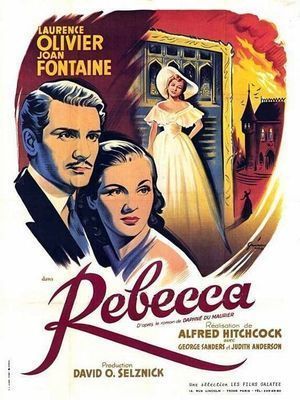
Rebecca (1940)
Rebecca is one of the definitive Gothic horror movies. Alfred Hitchcock and producer David O. Selznick brought this haunting adaptation of Daphne du Maurier’s literary Gothic classic to the big screen: the first Hollywood movie for Hitchcock.
Joan Fontaine stars as the innocent and child-like unnamed second Mrs de Winter; our heroine. Laurence Olivier plays the brooding and stern Maxim de Winter, who sweeps his new bride off her feet and brings her to live at Manderley, an imposing mansion on a hill. Judith Anderson plays the sinister housekeeper, Mrs Danvers, who will do anything to disrupt the life of the new Mrs de Winter.
The memory of Maxim’s first wife Rebecca, and her mysterious death haunts Manderley and impinges on the happiness of the newlyweds. All the Gothic elements are there: a looming mansion, haunting memories of the past, portraits of those who are now dead, portentous dreams, and winding staircases.
Rebecca’s perversity contrasts with the new Mrs de Winter’s innocence in the Gothic film masterpiece.
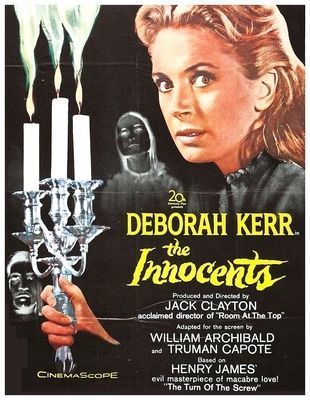
The Innocents (1963)
The Innocents is based on the novella, ‘The Turn of the Screw’ by Henry James. Deborah Kerr plays Miss Giddens, the temperamental and sexually repressed governess of two adopted orphans. Miss Giddens comes to Bly House, a brooding and gloomy mansion, to watch over her new little charges.
The children’s behaviour becomes increasingly more unusual, and gradually Giddens comes to believe that the children are possessed by the depraved spirits of two former servants: a valet and the previous governess. The two were once lovers, and Giddens believes they are continuing their wicked love affair through the children.
The superb cinematography and eerie set join to create the suggestion that there are things lurking just beyond the range of vision; creating a feeling of dread and unease.
The Innocents contains Gothic themes of repressed sexual desire, memories of the past influencing the present, depravity, and death. You are left wondering if it was real or all in the mind of Miss Giddens.
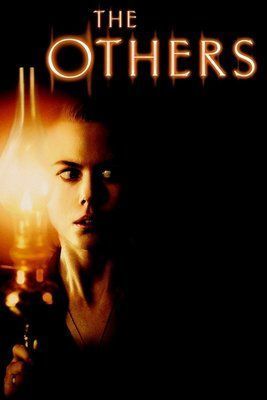
The Others (2001)
In The Others, Nicole Kidman plays our neurotic and ethereal protagonist, Grace, who resides in a dark, creepy old mansion with her two young children and servants. The children’s photosensitive condition means they must always stay indoors, exposed to nothing more than candlelight.
Grace and her children begin to notice eerie goings-on in the house; piano music coming from an empty locked music room, the trembling of a chandelier, and visits from a child ghost named Victor. The themes of this movie include obsessive parental love, death, tragedy, grief, and guilt.
There is an expert twist at the end, and although all the signs are there, the viewer does not see it coming. This is a movie that warrants a second viewing to pick up the subtleties and clues that may have been missed at first.
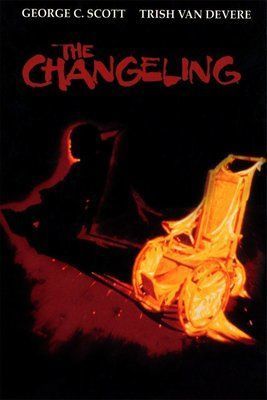
The Changeling (1980)
The Changeling is an underrated Gothic horror gem of a movie. George C. Scott plays composer John Russell, who has recently lost his wife and child during a horrible accident he witnessed. This tragedy haunts him and leaves him vulnerable and susceptible to believing his new home may be haunted by long-dead occupants. The unquiet spirit searches for peace through contacting Russel, our stoic and practical protagonist, who uncovers the truth behind its demise.
This movie, set in the late 1970s, manages to include all the traditional Gothic horror essentials: a creepy old house, séances, dark dusty attics, mysterious noises, unsafe staircases, nightmares, a haunted wheelchair, and spooky children’s toys.
Although a little dated, The Changeling remains a genuinely terrifying movie steeped in mourning and sadness.
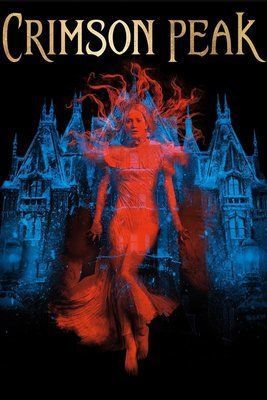
Crimson Peak (2015)
In Crimson Peak, Edith Cushing, played by Mia Wasikowska, is an aspiring writer and the daughter of an American industrialist. Edith is seduced by the charms of Sir Thomas Sharpe (Tom Hiddleston), an English aristocrat who has travelled to the USA to secure funding for an invention to help finance his family’s mine.
Despite Edith’s father’s reservations and untimely death, she marries Sharpe and is swept away to England to live with him and his domineering, icy sister Lucille (Jessica Chastain) in their towering Gothic mansion.
It is here that the new Mrs Sharpe encounters the terrifying spirits of the mansion who warn her of sinister goings on, which she must eventually uncover. Crimson Peak plays on the traditional Gothic horror tropes: portraits of people long dead, creaking staircases, unquiet spirits, treacherous staircases, blood red clay soaking snow, and fluttering moths. This film also contains strong,g horrific elements that stem from that which we do not see.
Themes heavily emphasised in this film are unnatural relationships, jealousy, death, decay, and the destruction of innocence. Crimson Peak is a beautifully shot film and a modern classic Gothic horror romance film that should not be missed.
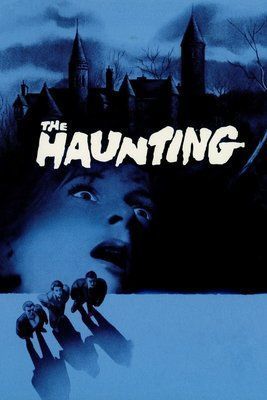
The Haunting (1963)
The Haunting is a 1960s adaptation of Shirley Jackon’s novel, “The Haunting of Hill House”. Parapsychologist Dr Markway, played by Richard Johnson, invites a handful of recruits to explore a haunted mansion with him, and conduct paranormal experiments.
Julie Harris plays the main character, spinster ‘Nell’, who is neurotic, sheltered,d and sexually repressed. She is counterbalanced by the self-confident and domineering Theodora, played by Claire Bloom.
Nell, Markway and the other recruits gradually learn the secrets of the house and experience its eerie occupants. Nell is emotionally frail and appears vulnerable to the powers of the house, which does not want to let her go. The manifestations in the house also appear to mirror Nell’s own neuroses and psychic assault on herself.
The cinematography of this movie adds to the unease, creating a terrifyingly atmospheric psycho-horror treat, and although the style is a bit dated and some of the acting verges on hammy, this only adds to the film’s charm.
What are your top Gothic horror movie picks? Please comment below.
It’s been a while since I last connected with you all, and I wanted to take a moment to share some updates about my journey over the past couple of years. As many of you know, I relaunched my blog just over two years ago, and since then, I’ve faced some significant challenges, including two bereavements that have made it difficult for me to write and share as often as I would like.
However, I’m pleased to say that things are beginning to settle down, and I’m feeling my energy return. I’m excited to announce that I’ll be posting more frequently about topics that truly fascinate me, such as ghosts, folklore, the paranormal, and all things fortean, weird, and wonderful in history.
You can expect updates on events I’ve attended and the occasional review of a paranormal book that’s caught my eye. To keep things interesting, I’ll be mixing my usual longer pieces with some shorter, snappier posts.
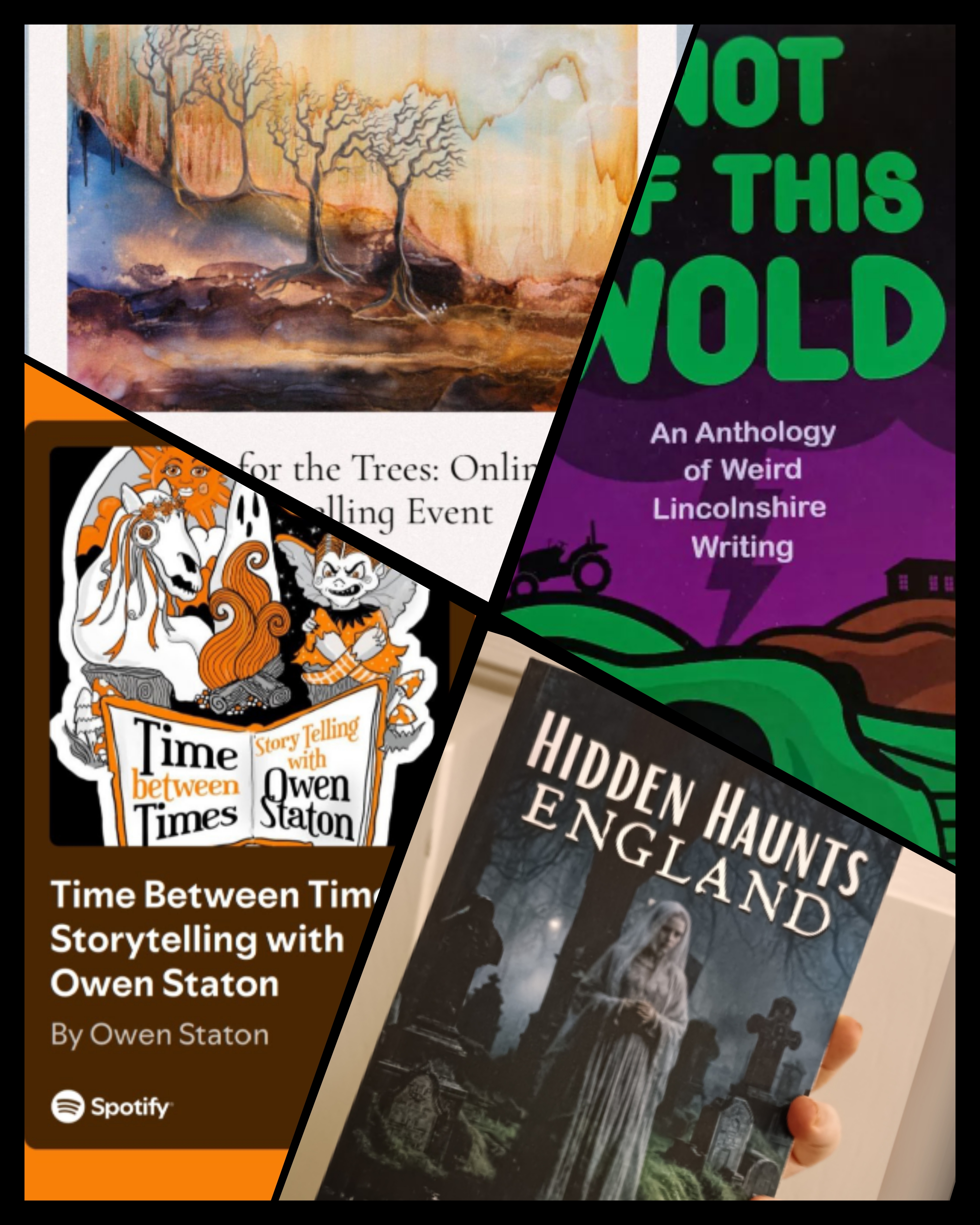
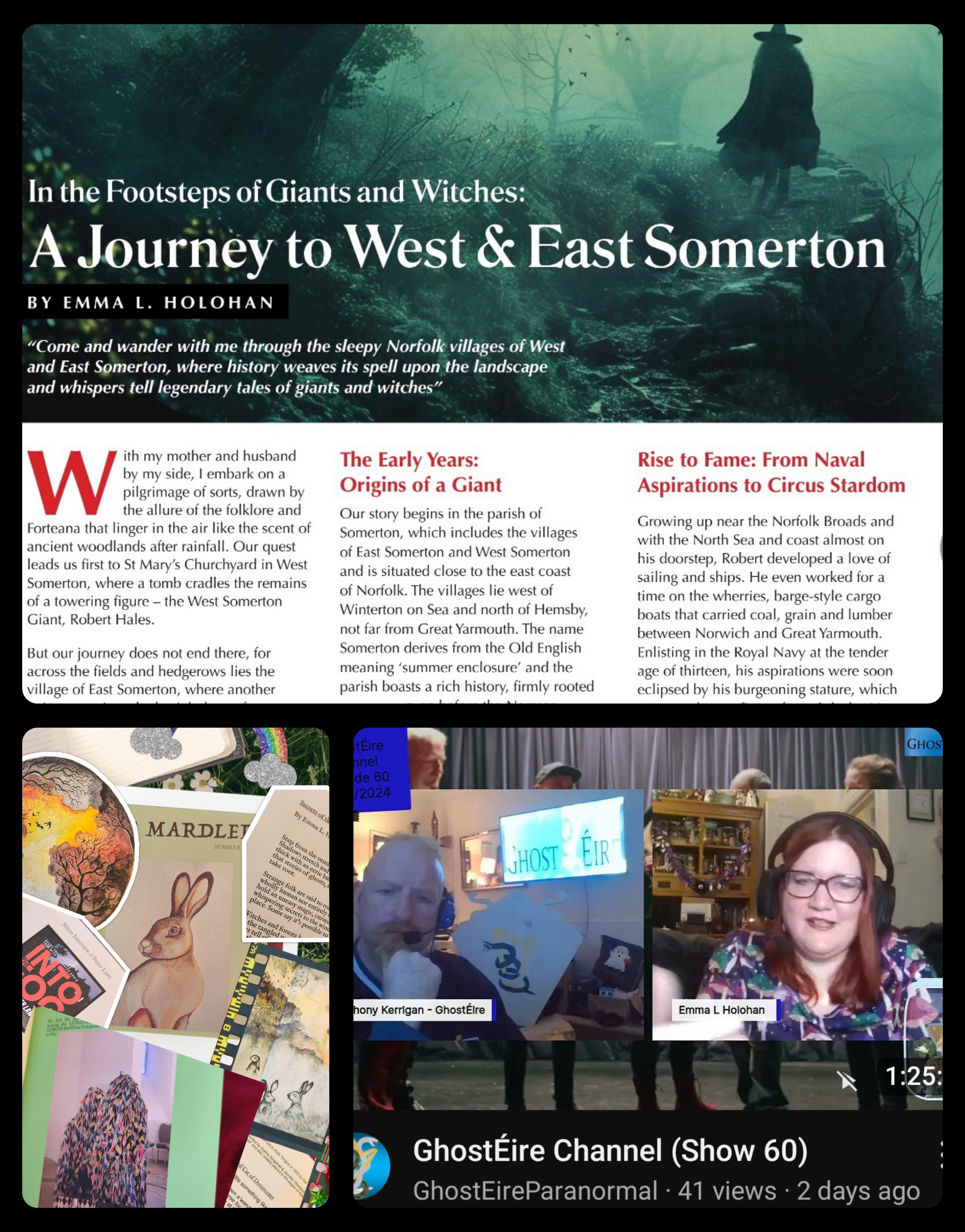
I’m also opening myself up more to collaboration such as writing guest posts, podcast interviews, online storytelling events, and livestream interviews, like the ones I did for The Time Between Times with Owen Staton here:
With the East Anglian Folklore Centre as part of their ‘Tales for the Trees’ event, and with GhostÉire last year. Watch here:
If you haven’t had a chance to listen to those, I recommend giving them a go!
Please keep in mind that all of my work is done outside of my day job and voluntarily, so there may be lulls in posting when life gets busy. However, I truly hope to be more frequent with my updates.
A New Podcast on the Horizon
On top of that, I’m thrilled to share that I’m working on a podcast to complement my blog! I hope to have more details on that by the end of this year or early 2026.
Thank you all for your continued support and understanding during this time. I can’t wait to embark on this new chapter with you!
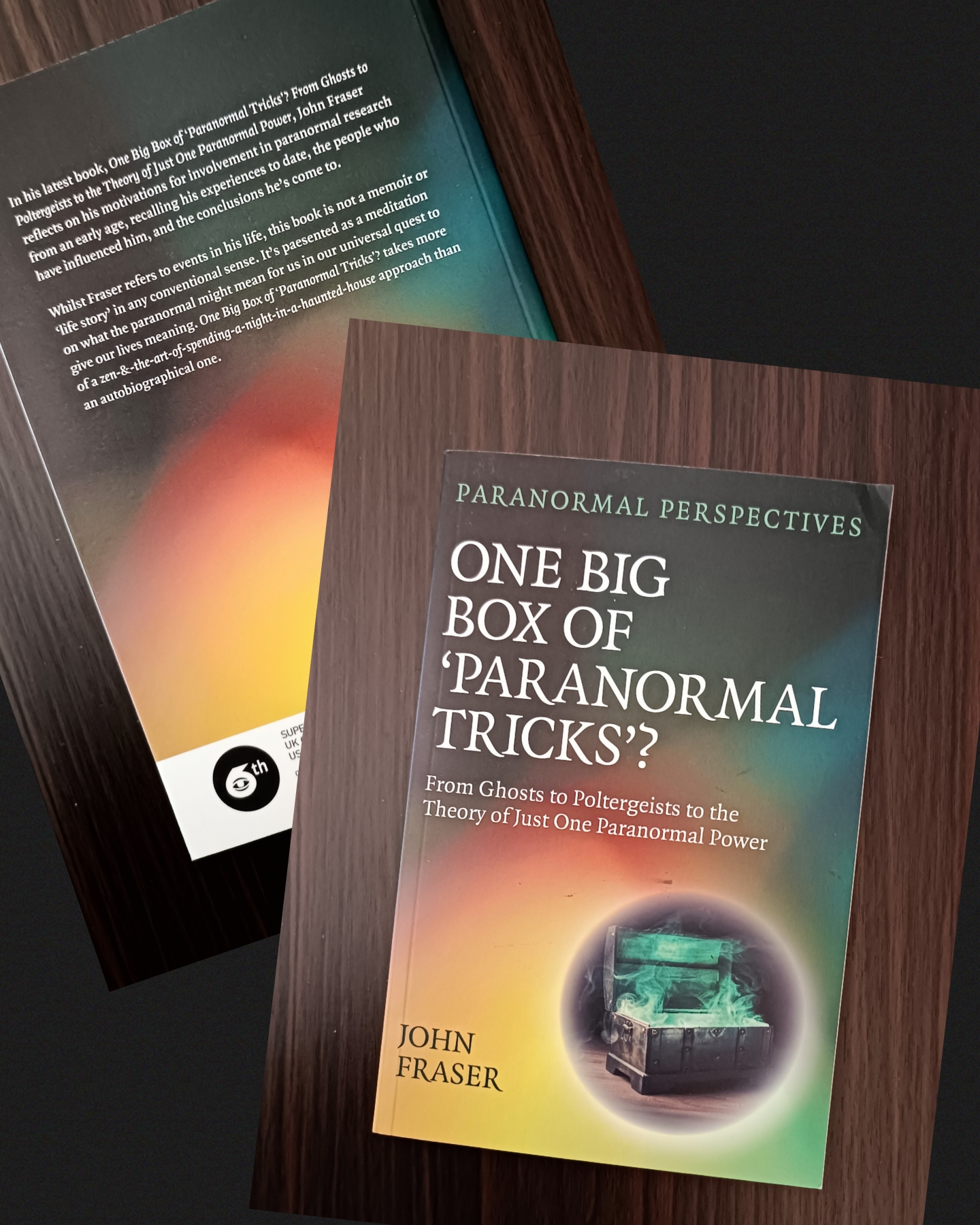
Have you ever wondered if ghosts, poltergeists, and all things that go bump in the night are connected by a single unseen force? John Fraser’s book, “One Big Box of ‘Paranormal Tricks’? From Ghosts to Poltergeists to the Theory of Just One Paranormal Power” dives headfirst into this idea, taking readers on a journey through the unexplained with a perfect blend of curiosity and critical thinking. Whether you’re a seasoned paranormal enthusiast or just stepping into the eerie world of the unknown, this book has something for everyone.
John Fraser is a Council member of the Society for Psychical Research and former Vice Chair for Investigations at the Ghost Club, the two oldest paranormal research groups in the UK. His studies have covered hypnotic regressions, vampire folklore, and conventional paranormal research.
Active in the field since the 1980s, John took part in long-running hypnotic regression experiments and later conducted research into supernatural events at Sandwood Bay. Since 2015, he has been investigating witness testimony related to paranormal activity at The Cage in St Osyth. He has also contributed to media discussions on the paranormal.
John Fraser’s book is part of the ‘Paranormal Perspectives’ series, which seeks to investigate what the paranormal means to a selection of writers from various backgrounds. Fraser explores paranormal phenomena under a unified theory, the theory of ‘one paranormal power’. He does this while detailing his personal journey into the paranormal, from his early sparks of interest as a youngster to his time as a seasoned researcher and Society for Psychical Research Council member. This book has appeal to paranormal believers and sceptics alike, as it is an engaging investigation that offers readers a unique blend of philosophical investigation and memoir.
A Journey Through the Unexplained
Fraser begins by explaining how it all began for him. At university, he studied philosophy and economics. He resigned from his position as an internal auditor and organised a road trip that included stops at several haunted places. He then discusses the important paranormal figures who have impacted him, like Guy Lyon Playfair and Harry Price.
Fraser then explores the nature of paranormal phenomena in chapter three, looking at hypnotic regression, ghosts, poltergeists, and other unexplained events, such as the encounter in Rendlesham Forest. Fraser concludes by discussing his theory of the “One Paranormal Power”, which proposes that there is a single underlying force that underlies all paranormal activity.
What Makes This Book Stand Out?
Fraser has a gift for balancing scepticism with an open mind, something that’s not always easy in the paranormal field. He doesn’t just present eerie encounters and theories; he challenges them, inviting readers to explore every possibility. Are poltergeists separate from ghosts, or could they be different manifestations of the same mysterious force? If there’s just one underlying paranormal power at work, what could it be? These are the kinds of questions Fraser poses, leaving you pondering long after you’ve turned the final page.
His writing style is conversational and immersive, making even the most complex theories easy to digest. Fraser’s account is well-written, thoroughly researched, and adopts an engaging and thought-provoking approach, employing great storytelling to make sure the book is not just informative but also entertaining and easy to read. Every chapter skillfully blends reflective analysis of paranormal phenomena along with personal tales.
One of the most interesting aspects of the book for me is Fraser’s recounting of his initial plunge into the paranormal field, in which he gives vivid accounts of his early experiences. Here, he describes the events and encounters that sparked his interest in the unexplained. These explanations are complemented by his comments on mentors and role models who had a significant impact on his approach and knowledge.
Notably, Fraser honours well-known paranormal individuals such as Harry Price and Colin Wilson, whose pioneering work served as the foundation for his own investigations. I relished the narrative of his interactions with Peter Underwood, which demonstrated their genuine connection and friendship. This examination of his own influences gives readers an understanding of the intellectual heritage that informs his viewpoints.
One of the most intriguing aspects of Fraser’s book is how it subtly engages with the long-standing debate between psychological explanations and supernatural interpretations of paranormal phenomena. While he presents compelling cases for the existence of ghosts and poltergeists, he also acknowledges alternative explanations, such as environmental factors (electromagnetic fields, infrasound, or other environmental conditions), cognitive and neurological perspectives and parapsychological explanations (e.g., psychokinesis—particularly in relation to poltergeist activity).
(Author John Fraser. Image Source: J.Fraser)
This balanced approach makes the book appealing to both believers and sceptics. However, a deeper engagement with scientific and psychological studies on anomalous experiences would have added even more weight to his arguments.
Where the Book Could Go Further
While the book is packed with intriguing insights, some of the scientific explanations could go deeper. If you’re the type who loves diving into parapsychological research, you might find yourself wanting a bit more hard data and experimental analysis. Of course, there are many other books out there already that cover such aspects in more detail that the reader can seek out for further research if required.
If you’re new to the paranormal field, this book is an excellent gateway. Fraser keeps the tone inviting and avoids overwhelming jargon, making it easy to follow even if you’ve never read a book on the subject before. For the seasoned enthusiasts, even if you’ve been delving into the paranormal for years, you’ll appreciate Fraser’s fresh take on long-standing debates. While some sections may feel like familiar ground, the way he ties different phenomena together offers new food for thought.
Final Verdict: A Must-Read for Paranormal Enthusiasts?
Fraser’s Paranormal Perspectives isn’t just a book—it’s an invitation to think, question, and explore. It challenges readers to reconsider what they believe, weigh the evidence, and entertain new possibilities. Whether you’re in it for the eerie case studies, the deep theoretical discussions, or just the thrill of the unknown, this book delivers. So, what do you think—could all paranormal phenomena really be part of one great mystery? Or are we only scratching the surface of something even stranger?
(GhostÉire interview with Ghost Catcher Isles. Image Credit: GhostÉire Channel)
If you’re someone who feels the tantalising pull toward the strange and supernatural, then this one’s for you. Picture this: a quiet Saturday night, lights dimmed, a flickering candle perhaps—and there I was, live on the GhostÉire Channel, diving headfirst into the world of the paranormal. Together with my incredible host Anthony Kerrigan, we opened the door to stories, historic sites, and legendary mysteries. Members of the “Uncanny Community” and paranormal enthusiasts tuned in, sharing in the experience as we wandered through tales of ancient landscapes and whispered legends. But if you missed it, don’t worry: the full recording is waiting for you, ready to be explored at your own pace.
A Bond Forged Through an Uncanny Curiosity
We kicked off the night by discussing my passion for the podcast Uncanny and the amazing ‘Uncanny Community’ it has fostered. There’s something powerful about this community: a place where like-minded individuals gather to share their strange encounters, eerie experiences, and shared fascination with the unknown. The support, curiosity, and friendship are inspiring, making it the perfect place for those drawn to the mysterious to connect.
Mysteries Carved into the Earth: The Uffington White Horse and Wayland’s Smithy
Our next stop on this haunted journey took us to one of Britain’s most iconic sites: the Uffington White Horse, a massive chalk figure etched into an Oxfordshire hillside that has withstood nearly 3,000 years of history. There’s a sacred stillness to it, a feeling that resonates with something far older than we’ll ever know. Is it a mark of ancient ritual, a tribute to old gods, or simply a beacon carved to guide travellers of the past? Each theory adds a layer of wonder to this timeless mystery.
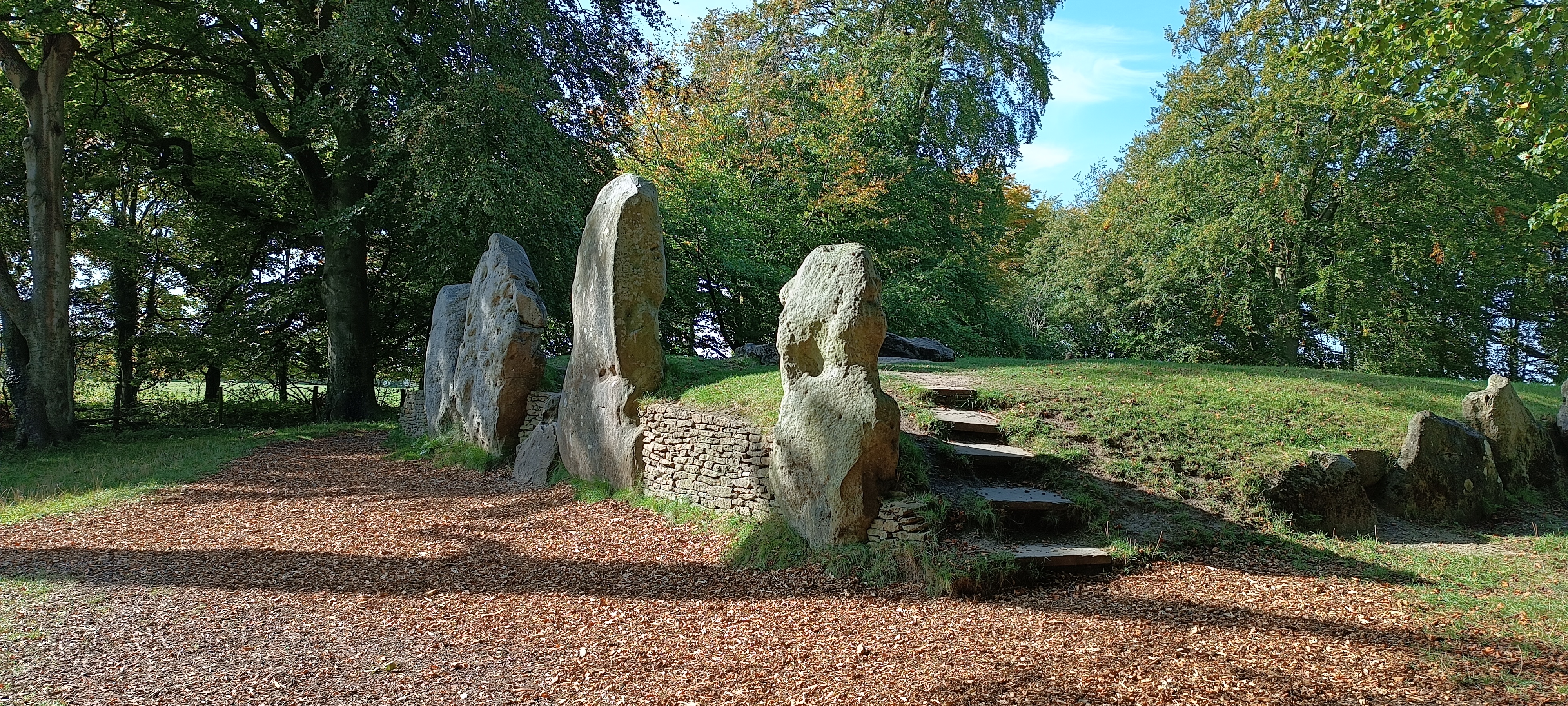
(Wayland’s Smithy. Image Credit: E.Holohan)
And just a stone’s throw away lies Wayland’s Smithy, an ancient burial site nestled within this mysterious landscape. It’s a place that buzzes with mystery. Standing there, surrounded by earth that’s seen so much, you can’t help but wonder what these ancient builders believed and what secrets they took with them.
The Haunting Sounds of the Whispering Mummies
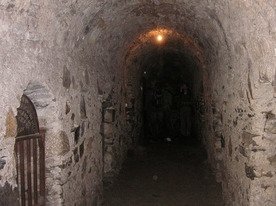
(The Crypt under St Michan’s. Image Credit: E.Holohan)
Our final topic was one that feels both spine-tingling and sombre: the Whispering Mummies of St. Michan’s Church in Dublin. Interred in crypts beneath this centuries-old church, the mummified remains have become legend, and some say that if you listen closely, the mummies themselves seem to whisper secrets of a bygone time. There’s a strange, haunting beauty here, where history and the supernatural meet in the stillness. The whispers, or maybe just the echoes of centuries, remind us that death is a mystery we all ponder, and yet, here we are, side-by-side with those who came long before us.
Join Us on a Journey Into the Unknown
If you have a passion for the paranormal or a love for history that holds shadows and secrets, this conversation is an invitation to journey with me and my host Anthony. Each story shared brought its own sense of wonder, its own question that lingered in the air. So, wrap up in a blanket, dim the lights, and join us in exploring these mysteries. Watch the full recording on the GhostÉire Channel and step with us into a world where every answer brings another question; and where the unknown is always just a little closer than we think.
Are you fascinated by the paranormal? Intrigued by folklore and eerie legends? Then you won’t want to miss my exclusive live vlog interview on the GhostÉire Channel, where we explore the unknown and the mysterious. It’s time to sit back, relax, and join me and my host Anthony Kerrigan as we delve into the world of the paranormal.
On this episode, Anthony will be speaking to me about my passion for all things paranormal. This includes ghostly tales, mystical sites, and everything in between. We’ll discuss my blog, Ghost Catcher Isles, where I explore strange and eerie stories from across the UK and also the Republic of Ireland.
Here’s a sneak peek of what we’ll cover:
Uncanny Podcast and the ‘Uncanny’ Community
We’ll kick things off by talking about the hit paranormal podcast and documentary series, Uncanny. It first aired on BBC Radio 4 in 2021, it’s now a cult favourite. The podcast was created by Danny Robins and it dives deep into real-life supernatural encounters. It features key witness interviews and expert analysis from experts in the field such as Dr. Ciaran O’Keeffe, Professor Chris French, and Dr. Evelyn Hollow. Uncanny recently had a TV adaptation and also experienced a successful live tour across the UK and Ireland. Consequently, the Uncanny phenomenon continues to grow. But where do I stand—Team Believer or Team Sceptic? Or somewhere in between? Tune in to find out!
The Mystery of the Uffington White Horse
Next, we’ll journey to Oxfordshire, England, to explore the ancient chalk hill figure known as the Uffington White Horse. Dating back to the late Bronze Age, this enigmatic figure has sparked centuries of fascination. Is it a tribute to Epona, the Celtic goddess of horses, or linked to Rhiannon of Welsh myth? I’ll share my experience of visiting this iconic site and reveal whether the surrounding landscape holds any paranormal secrets.
The Whispering Mummies of St Michan’s
Our final topic takes us to the eerie vaults beneath St Michan’s Church in Dublin, home to mummified remains preserved for centuries. From the mysterious ‘nun’ to the six-foot-five ‘crusader,’ these mummies have their own strange stories to tell. We’ll dive into the chilling reports of ghostly whispers and invisible hands that haunt this crypt. And yes, we’ll also discuss the tragic fire of June 2024 that destroyed several of these ancient remains.
Want to ask a question? Feel free to send in your questions live about any of the topics we’ll cover—or anything related to the paranormal!
The live interview will last approximately 90 mins. Feel free to join for the full interview. You can join and leave as you wish. You have the flexibility to dip in and out at any time during the live broadcast.
Don’t miss out on this spine-tingling discussion! This show is open to over 18’s only






Leave a Reply