Jack in the Green: Keeping Folk Traditions Alive in Bristol

A Springtime Wander into Another World

This May, I found myself caught up in something a little bit more magical than normal. I had just popped out for a walk into town when I heard the distant rattle of drums and the jingle of bells coming up the hill. Within moments, a leafy figure emerged around the corner; towering, green, and utterly hypnotic. Behind him came dancers, musicians, people in leafy crowns and cloaks, dogs wearing garlands, children skipping to the beat.
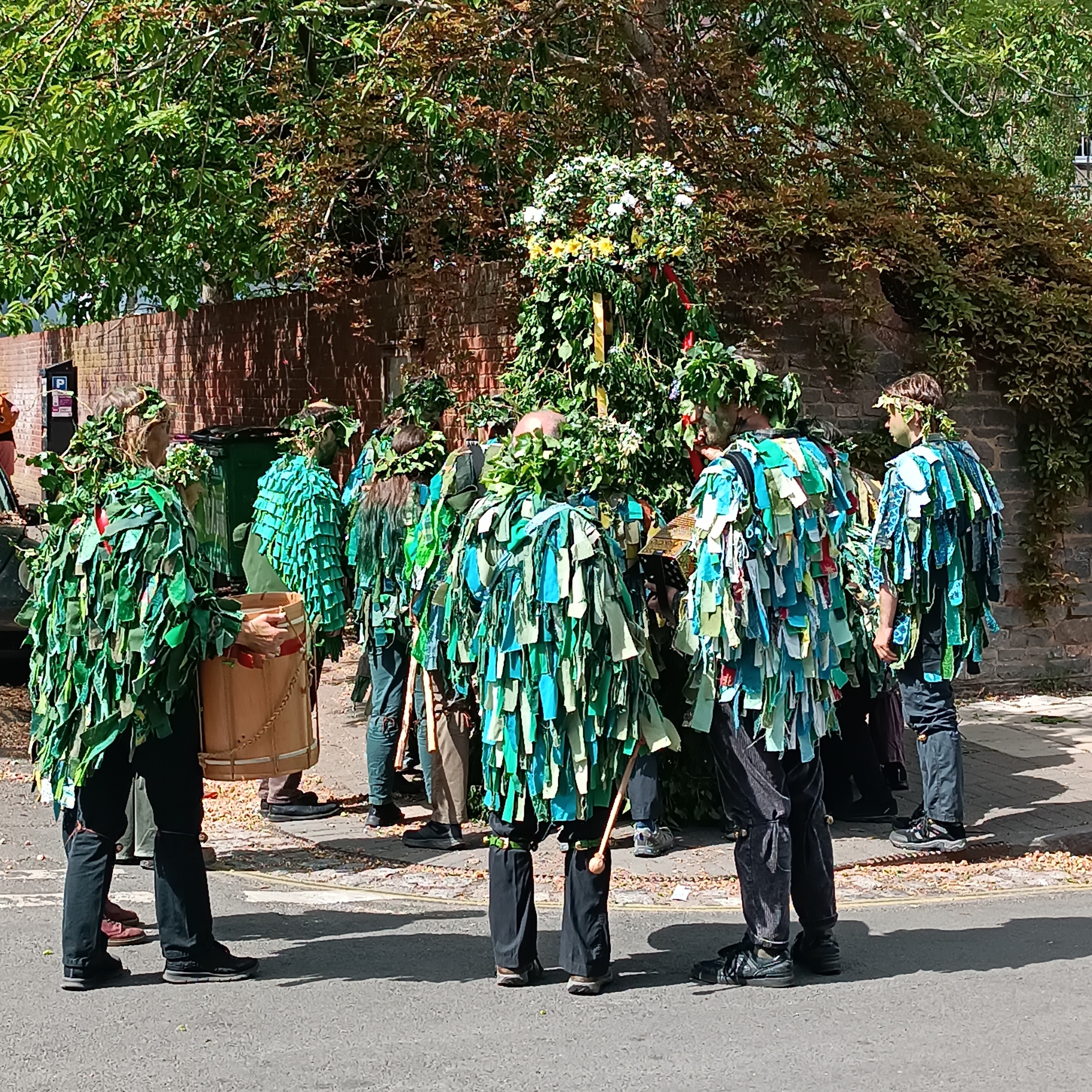
(Image: Bristol Jack in the Green. Source: ©E.Holohan 2025)

This was an encounter with the fascinating character, Jack in the Green. It passed right through my neighbourhood in Bristol, and for a while it felt like the city had been transported into a more ancient, greener version of itself.

There is something about this May festival that pulls at something deeper. In a world full of deadlines and distractions, encountering a celebration like this, which is full of colour, laughter, and ancient spirit, feels like stepping through a portal into another time.

So, what exactly is Jack in the Green? Where did it come from, and why does it still feel so relevant?

What Is Bristol’s Jack in the Green Festival?

Jack in the Green is a celebration of the coming of summer, rooted in old English folk traditions. It centres around a tall, leafy figure known as the Jack, who is completely clad in greenery. Think walking hedge, with just a hint of face peeking out, crowned in flowers and leaves.

Each year, on the first Saturday in May and around the May Day holiday, the Jack makes his way through parts of Bristol in a lively procession of dancers, drummers, musicians, and revellers all dressed in green.

This year, the Jack began at the historic harbourside and the procession made its way through the centre and up via Kingsdown, Cotham and Redland, winding along the streets, picking up curious onlookers as it passed. Jack’s attendants even painted onlookers’ noses green as they passed by, which is said to bring them good luck this summer. I was lucky enough to get myself a green nose too!

Eventually, the parade ended in a local park in Horfield. Here, Jack’s attendants delighted onlookers with dancing and reciting Jack’s poem. Here, sadly, Jack finally died, marking the end of spring and the start of Summer. After dancing through the streets and meeting city folk, Jack brought the Summer to Bristol, but now rests in peace until next year. Finally, onlookers took foliage from Jack’s body for good luck and to celebrate the long-awaited arrival of summer.

This festival is not just something to watch; it’s very much something to join in. People dress up, paint their faces green, bring tambourines or whistles, and dance beside complete strangers. It’s joyful, chaotic, and full of heart. And it belongs to Bristol.

The History of Jack in the Green

Although it feels ancient, Jack in the Green actually has roots in the 18th century. It grew out of May Day traditions among chimney sweeps, milkmaids, and other working-class people in London and elsewhere.

In those days, May Day was one of the rare holidays working people had. Chimney sweeps would parade through the town with music and garlands, collecting money and celebrating the return of warmer days. This served an important function for the sweeps in particular, who would need this money over the summer when they’d have little income. Over time, these garlands evolved into something bigger and bolder: a full figure made of foliage, worn by someone dancing through the crowd.

(Image: The 1795 engraving of a Jack in the Green, London. Source: CC BY-SA 3.0)

By the early 20th century, however, these celebrations had mostly faded. Victorian attitudes were snobbish about anything too rowdy, and folk customs began to disappear in favour of a more sanitised versions of British traditions.

It was not until the 1970s, when there was a broader revival of interest in folk music and traditions, that Jack in the Green began to return. Hastings was one of the first to bring it back in a big way, and other towns and cities, including Bristol, followed their lead.

Here in Bristol, the tradition was revived in the 1990s, thanks to local folk groups and performers who saw value in reclaiming this little piece of seasonal magic. Local groups have helped shape the festival into what it is today; a brilliant blend of history, creativity, and local pride.

Possible Pagan Roots and Green Man Magic

While Jack in the Green as we know it is not thousands of years old, it carries hints of much older beliefs. Many see links to the Green Man, who is a symbol you find carved in stone in churches across Britain and Europe. He is usually depicted as a face surrounded by leaves, often with greenery sprouting from his mouth. The Green Man is a symbol of nature, rebirth, and the never-ending cycle of the seasons.

There is also a strong seasonal connection to Beltane, the old Celtic festival that marks the start of summer. Celebrated around the first of May, Beltane was all about fertility, fire, and celebrating the land waking up after winter. Modern Jack in the Green processions are not direct continuations of those rites, but they certainly share the same spirit of honouring growth, community, and the turning of the year.
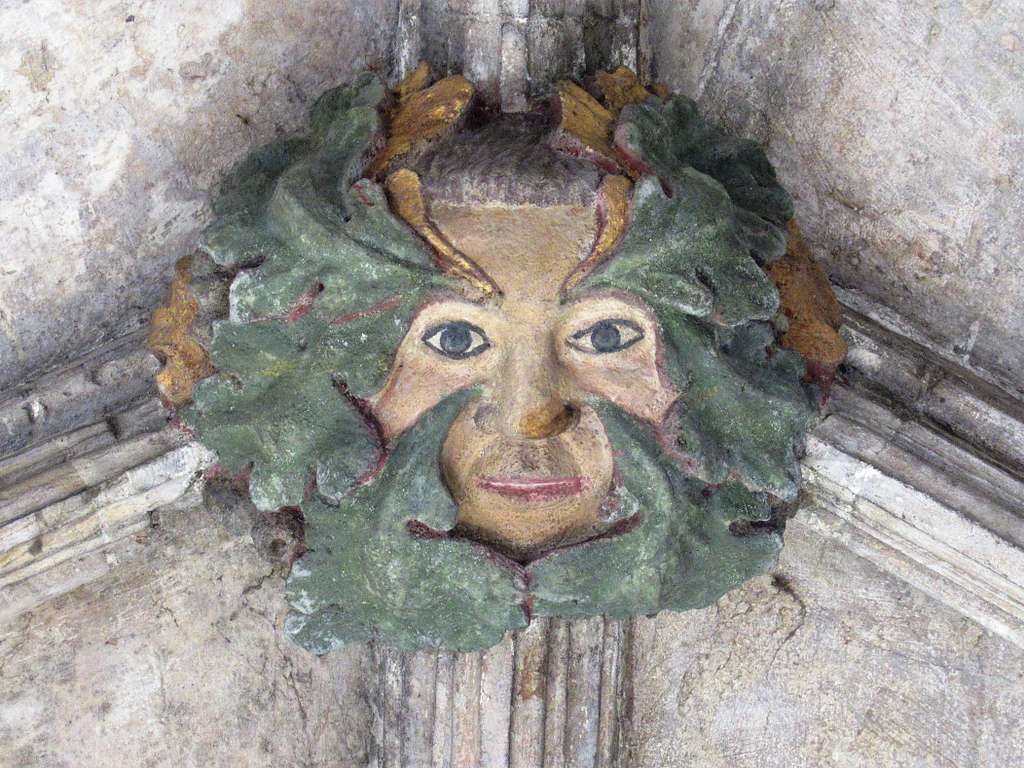
(Image: Norwich Cathedral cloisters, roof boss. Source: CC0.1.0 Univeral)

When you see the Jack dancing through the city streets, surrounded by bells and drums, it feels like something ancient stirs. You don’t need to believe in anything mystical to sense it; it’s there in the beat of the drums, the greenery and the joy.

Why We Still Need Jack in the Green

In a time when most of us spend our lives staring at screens, racing from one task to the next, a festival like this offers something rare: connection to place, people and nature. Jack in the Green reminds us of the things we often forget. That the seasons change. That we can share a laugh or a dance with a stranger and feel like we belong.

It brings people together with no barriers; just colour and music, and a shared moment. Children wave at the Jack like he’s a forest giant from a fairytale. Adults clap along and walk around with painted green noses. There’s space for everyone.

Let’s also not forget the symbolism. A figure made entirely of greenery parading through a modern city feels especially meaningful in an age where the natural world is under threat. The Jack becomes more than just a character; he is a reminder of what we stand to lose, and why it’s worth celebrating and protecting.

A Few Thoughts Before the Leaves Fall

As I walked home from my encounter with Jack in the Green with my painted green nose, the sounds of bells and drums fading behind me, I couldn’t help but smile. It wasn’t just about seeing something fun. It was about being part of something. Something old and new, silly and sacred, and wild and gentle all at once.

Bristol’s Jack in the Green is not trying to be trendy. It’s not polished or perfect. But it has a spirit, and in a world that often feels rushed and rootless, that’s exactly what we need more of.

Fancy Joining Next Year?

If you are in or near Bristol come next May, I would wholeheartedly recommend seeking out the Jack. Wear something green. Bring a rattle, a ribbon, or just yourself.

You can find updates from the organisers on: https://www.bristoljack.info/home

These traditions survive when people take part. So, let’s keep them alive because they bring joy, meaning, and magic to our everyday lives.
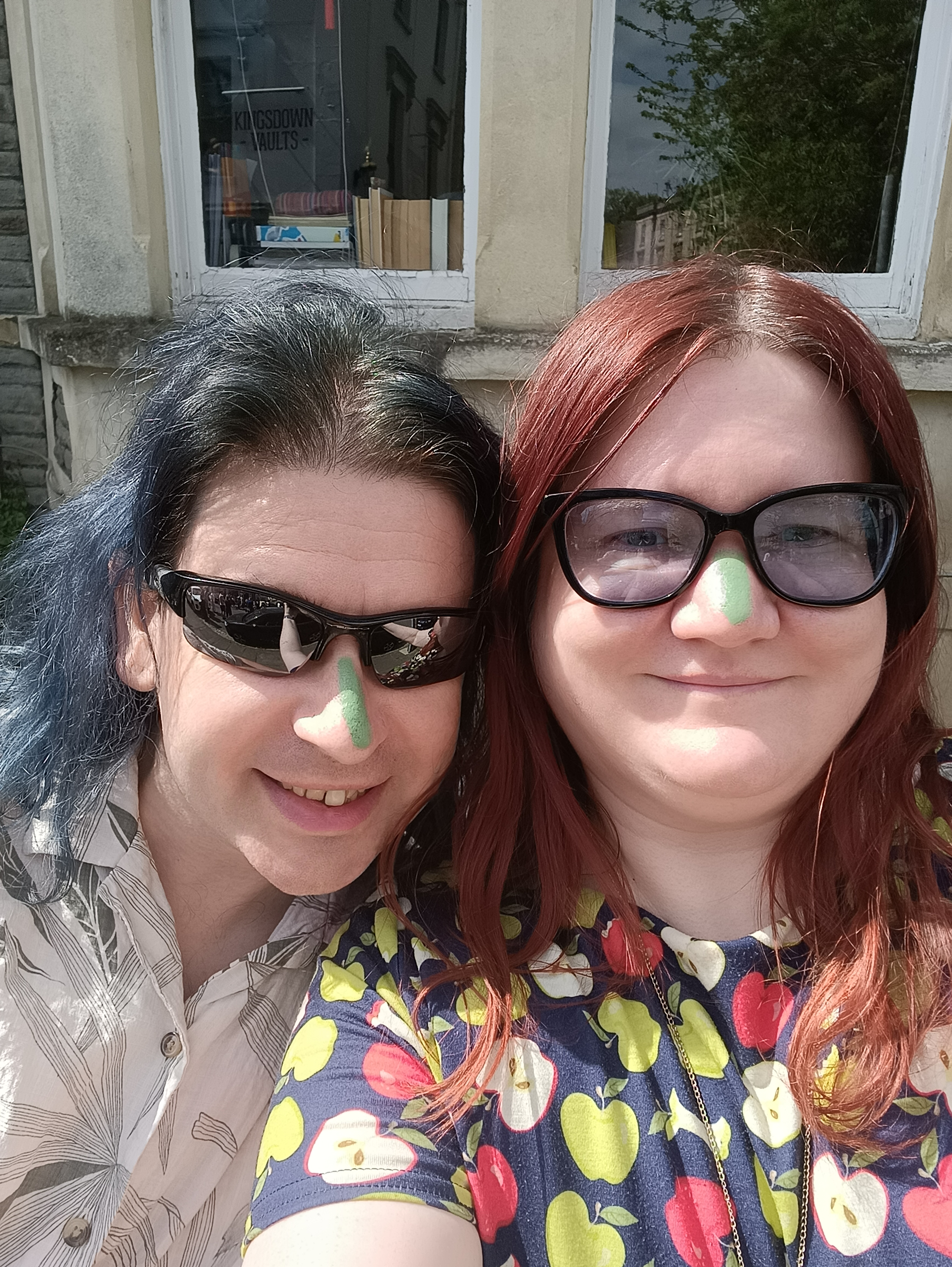
(Image: Lucky Green Noses. Source: ©E.Holohan 2025)

If you’d like to learn more about Bristol Jack in the Green, please check out the following documentary by Nicola Explores, “Bristol Folklore and Ritual: inside the Jack in the Green May Day Mayhem”


Reference list


Magic and Mystery at the Grand Opening of Bristol’s Haunted Bookshop

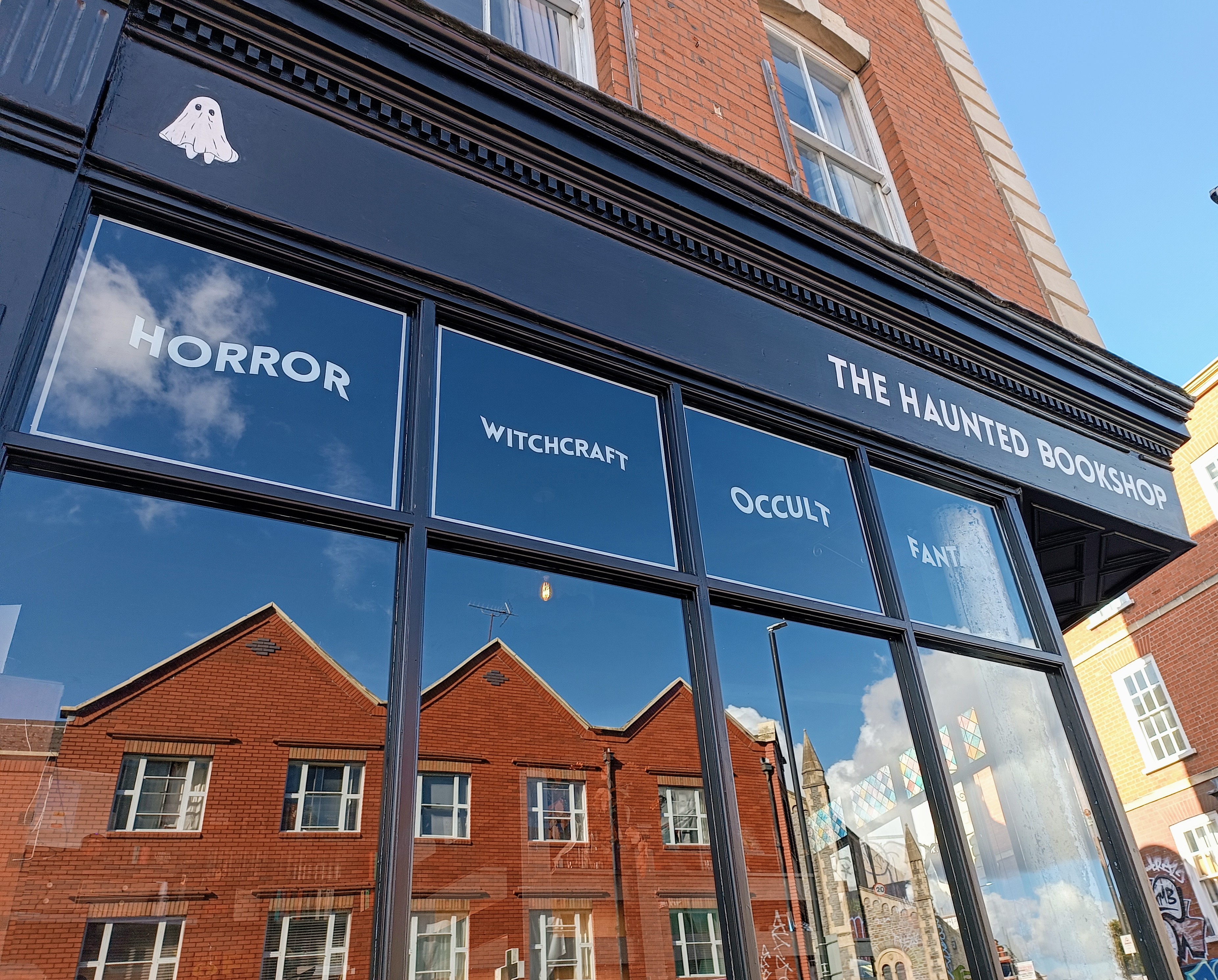
(The Haunted Bookshop, Bristol. Image Credit: ©E.Holohan)

On a mild autumn afternoon, I found myself standing in front of a brand-new gem in Bristol’s literary scene: the Haunted Bookshop. From the moment I saw its name gleaming on the sign above the shop, I knew I was in for something special.

“Step into a world of spine-chilling tales, mystical splendours, and ancient folklore as you explore our carefully curated collection of horror, fantasy, and witchcraft books,” the shop website says; “Whether you’re seeking spine-tingling thrills, fantastical adventures, or a deeper understanding of the occult, our shelves are brimming with stories sure to enchant you.”

(The Haunted Bookshop, Bristol. Image Credit: ©E.Holohan)

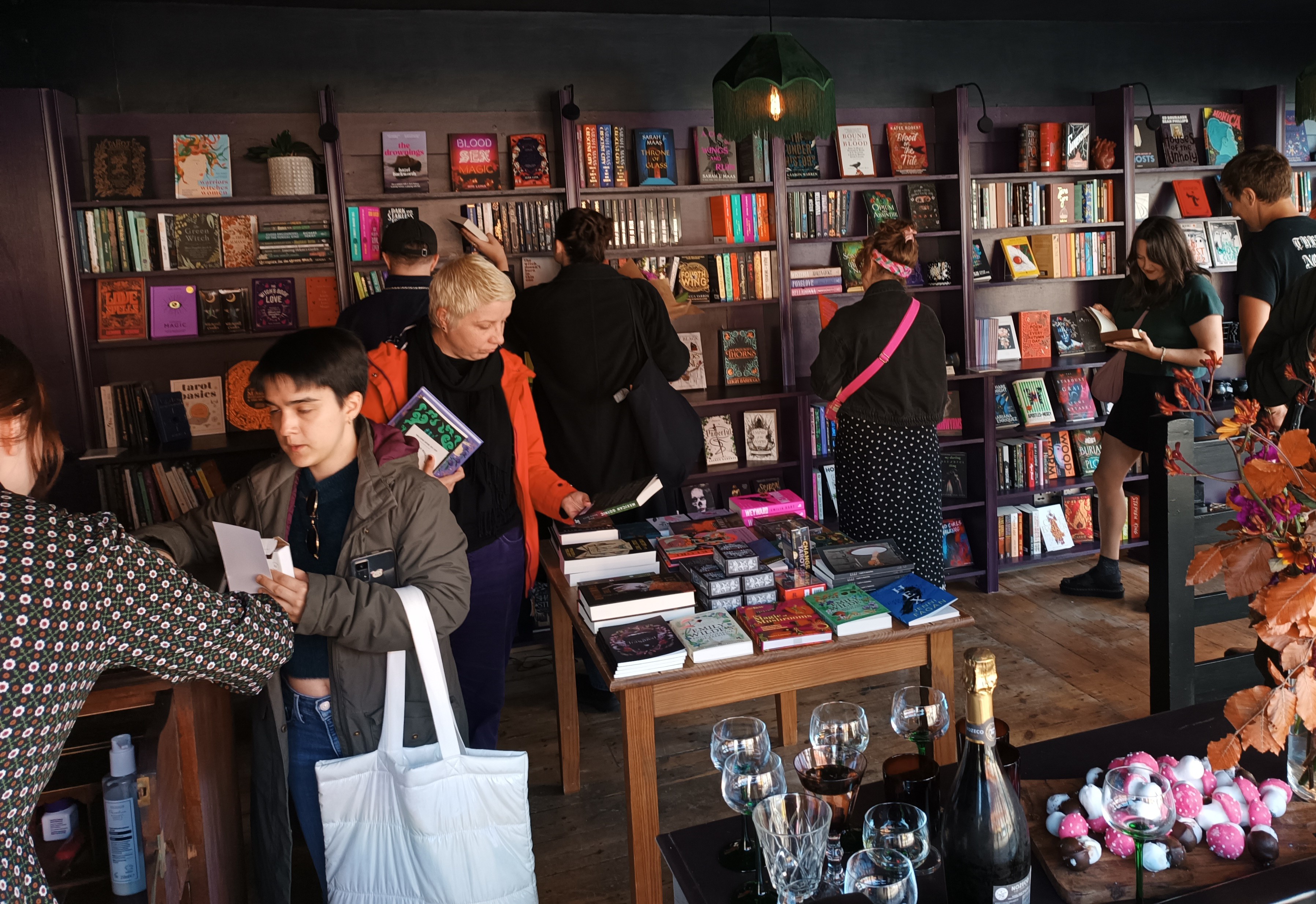
As soon as I stepped inside, it was as if I’d been transported to another realm. Dim lighting and wooden bookshelves lined with volumes of witchcraft, folklore, fantasy, and horror greeted me warmly.

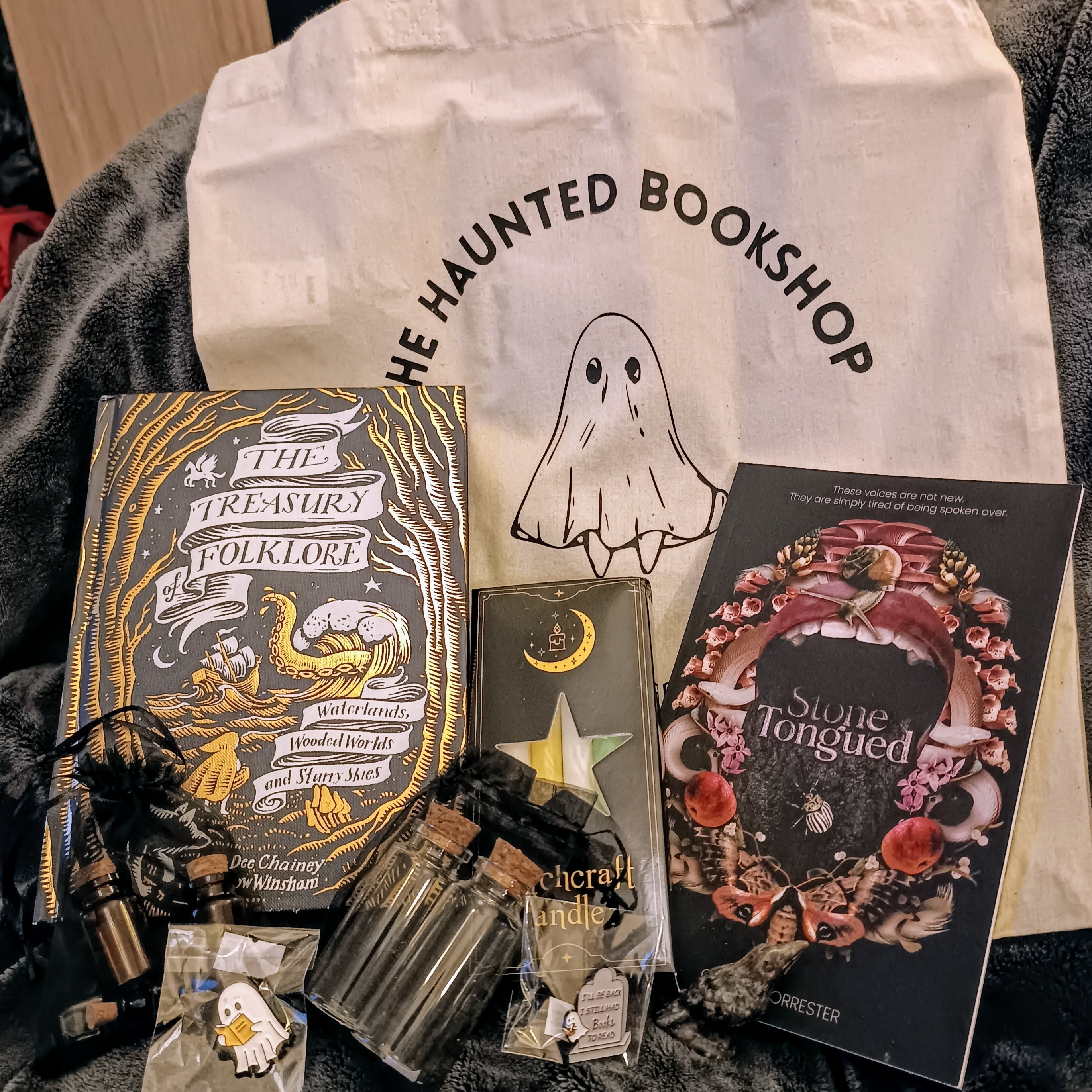
I started with the books, of course. Being an unashamed lover of the weird and the wonderful, I couldn’t resist diving into their collection of witchcraft tomes, folklore books, and horror novels. Each shelf seemed to whisper promises of untold stories and ancient wisdom. After some delightful browsing, I settled on two books: one on folklore and another on modern witchcraft. Both felt like treasures in my hands, and I couldn’t wait to dig in and lose myself in their pages.

(Inside the bookshop. Image Credit: ©E.Holohan)

But the Haunted Bookshop wasn’t just about books. It was a haven for all things witchy and mystical. Scattered throughout the shop were displays of witchcraft supplies: delicate candles in deep purples and blacks, bundles of sage tied with twine, and shelves gleaming with crystals of every color. I was immediately drawn to a striking crow-shaped crystal, charcoal grey and glossy, which seemed to call out to me from across the room. It felt right in my hand, and before I knew it, it was mine. Along with a tote bag (because who can resist a good bookish tote?), and some adorable ghost-themed metal pin badges—perfect little nods to the spooky vibes.

One of the highlights of the visit was chatting with the shop’s owner. Monika had a warm, earthy energy, the kind you’d expect from someone who truly believes in the magic of what they’re doing. We talked about the inspiration behind the shop, her love for esoteric books, and how important it is to create a space where people can explore these topics freely.

In her recent interview with Bristol24/7 Monika said: “I’ve always read horror and fantasy books and liked spooky things, Halloween is my favourite time of the year, so I just wanted to stand out.”

Monika credits her grandmother as being the one to have instilled a passion for books in her, having grown up spending a lot of time in her grandmother’s bookshop. Downstairs, Monika said she plans on opening a comfy seating area ready to start hosting events such as horror book clubs, tarot card readings and more.

(Drinks and mushroom shaped biscuits. Image Credit: ©E.Holohan)

As we chatted, she handed me a glass of prosecco to toast the opening. I sipped and soaked it all in; this cozy, mystical bookshop, where like-minded souls could gather and find a little magic of their own.

And just when I thought the experience couldn’t get any better, I was towards a plate of mushroom-shaped biscuits, which felt like a whimsical finishing touch to the whole evening. Slightly sweet, slightly earthy, and deliciously unique; just like the shop itself.

Leaving the Haunted Bookshop felt like stepping back into the real world after a brief, enchanted escape. But as I walked out into the bustle of Stokes Croft, my bag filled with books, a crow crystal, and other witchy goodies, I couldn’t help but feel that I had taken a piece of that magic with me. There’s something comforting about knowing that spaces like this exist, where the curious and the mystical meet in such a beautiful, welcoming way.

(My haul of goodies. Image Credit: ©E.Holohan)

The Haunted Bookshop is sure to become one of my favorite haunts (pun intended), and I can’t wait to go back, especially as the colder months draw in. There’s just something about autumn, witchcraft, and folklore that feels so perfectly intertwined. If you’re ever in Bristol and want to indulge in a little magic, mystery, and literary wonder, this is the place to be. And who knows—maybe you’ll even leave with your own bit of enchanted treasure.

Open Tuesday to Saturday, from 12-6pm, you’ll find The Haunted Bookshop at 43 Stokes Croft, Bristol BS1 3PY.

Reference List

From the blog

Stay up to date with the latest from our blog.

A Paranormal Night of Discovery at The Mount Without, Bristol

Earlier this year I was lucky enough to secure tickets to a paranormal night of discovery event being held in the atmospheric venue that is ‘The Mount Without’. This was a two-part event hosted by the marvellous Dr Kate Cherrell. The first part of the event was an introduction to Victorian Spiritualism introduced by Kate and the second part of the event was a paranormal investigation, co-hosted by Kate and Jamaica Inn paranormal investigator Karin Beasant, giving attendees the chance to try their hand at experiments and contacting spirits from beyond the veil.

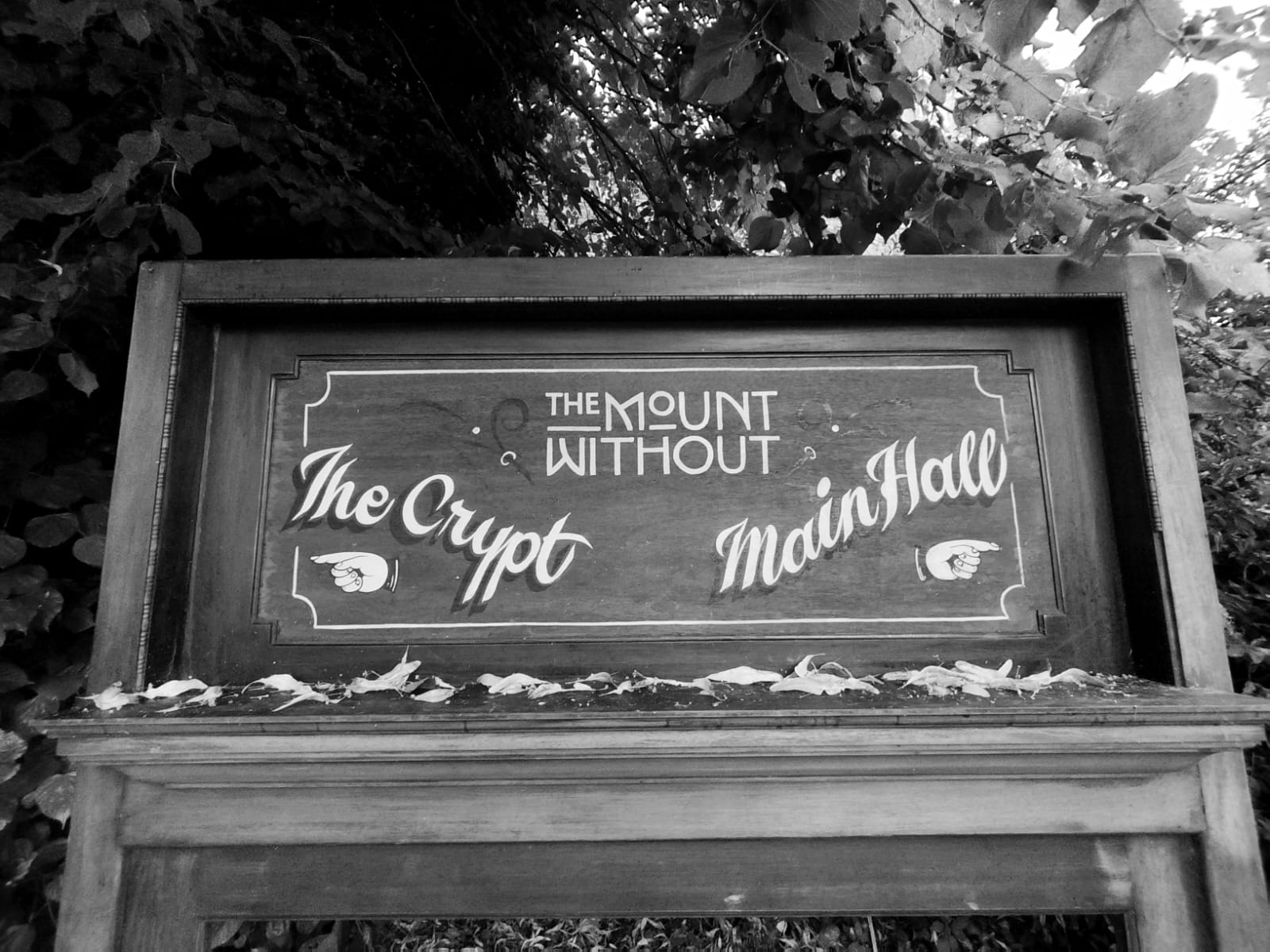
The Mount Without

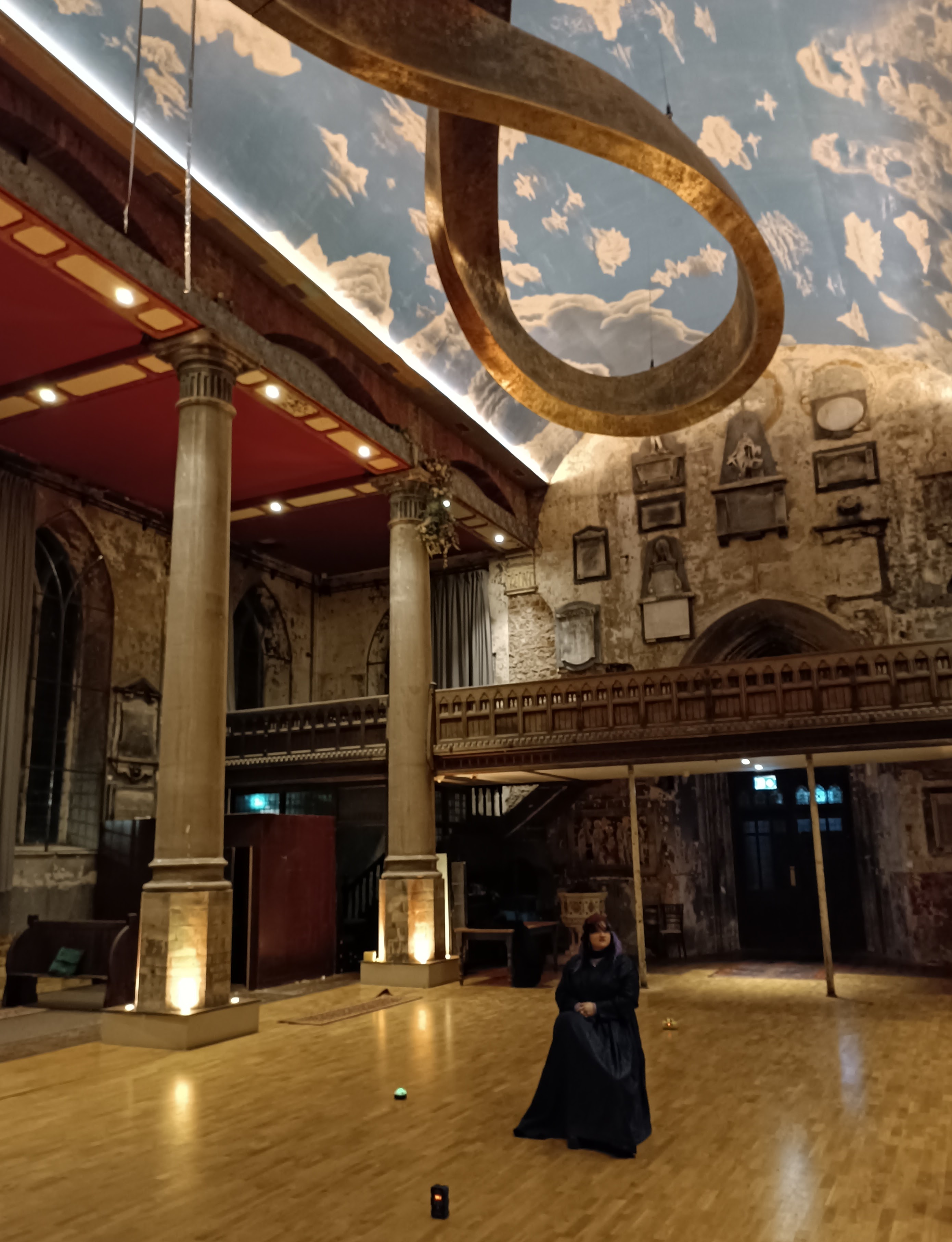
Saint Michael the Archangel on the Mount Without is an impressive church standing proud on St Michael’s Hill, looking over the city of Bristol. The first church on this site was likely Norman and built in 1147 by Robert Fitzhamon, who is famed for also building Tewksbury Abbey. The church was originally built outside the city walls and was therefore known as “The Mount Without”. The original church was then rebuilt in 1460 and the clock tower you see now is from that period.

Over the years the city of Bristol slowly grew up and around the church, as St Michael’s Hill became more populated with merchants and other residents. By 1775-1777 the church became too small to take the growing congregation and so the main body of the church was demolished and rebuilt by local builder, Thomas Paty. Around this time new graves were also created in the crypt and tombstones reused as ‘under slabs’ for the new graves. As the living population of Bristol grew, so did the population of the dead interred at the Church.

During the second world war, the church was damaged twice during the Bristol Blitz. In 1940 a 1000lbs bomb fell within feet of the Church and in 1941 an incendiary device set the roof alight destroying it. The church was repaired and in use until 1999 but the congregation dwindled over the years and was finally closed by the diocese.

The church lay empty, until squatters moved in and set it ablaze in October 2016. The dramatic blaze took at least 15 fire engines and many firefighters to extinguish. I could see the smoke from the blaze billowing in the sky near my home not too far away.

In 2017 the diocese wanted to find a new use for the building and asked for design bids from businesses, philanthropists and entrepreneurs. The church was finally reclaimed as the creative venue and events space that we see now, where it hosts artists, music and holistic events. This wonderful gothic revival church has been a gathering place for the people of Bristol for over 900 years and looks set to continue with that legacy.

An Introduction to Victorian Spiritualism

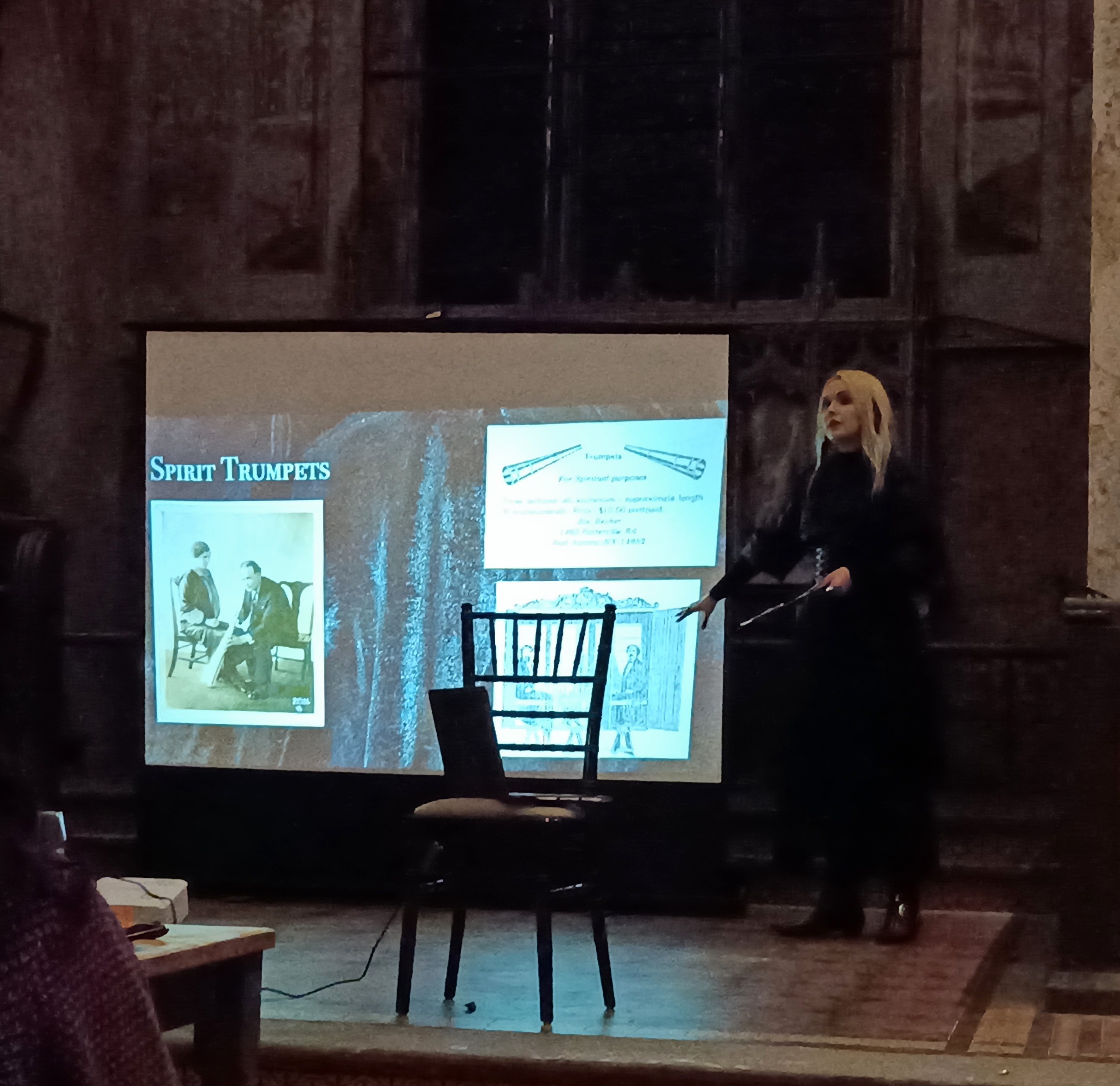
The evening kicked off with the introduction to Victorian spiritualism talk by Dr Kate Cherrell. This was a fascinating, informative and entertaining talk introducing us to the strange world of Victorian spiritualism including its history and types of spirit contact made in the 19th century. This was brought to life with a slide show, props and Kate’s sharp humour. I personally enjoyed hearing about spirit trumpets, the Fox sisters of Hydesville and witnessing Kate’s ectoplasm demonstration.

Spirit trumpets for example, or ‘séance trumpets’, were metal cones placed in the centre of a table during a séance to amplify any sounds issuing forth from the spirit realm. Sometimes a spirit would speak through a medium, who would bring the trumpet to their mouth to speak through. What larks!

The Paranormal Investigation

The second half of the night was the paranormal investigation; a chance to have hands on experience of communing with the spirit world. This started off with investigator Karin explaining the various gadgets, devises and paraphernalia used in investigation; from EMF readers, spirit boxes and motion sensors to planchettes and Ouija boards.

We split up into two groups and my group started off in the crypt with some table tipping. I’d never tried table tipping before, so this was all new to me. Table tipping is a form of psychic phenomenon in which a table can tilt, rise, wobble or rotate by the contact of the fingertips of individuals. It is a form of séance where sitters place their fingertips on the table and the table move without conscious muscular force. By relating the tilts to the alphabet or yes/no directions it is said to become possible to receive messages from beyond the veil.

We stood around a tall thin table with our finger tips gently rested on the top while Kate called out questions. It appeared that a religious man took a particular interest in talking to me and Kate asked him questions about his life before death. The table tilted and wobbled in answer to her queries, indicating he was originally from the north, had come to Bristol and stayed her while his family went to the New World. It was unclear if he had worked at the church or had just been a member of the congregation.

After the table tipping, we moved on to conduct a séance. For this we sat around a table with a spirit box and EMF readers on top, with shadow sensors dotted around the room near us. A bible was placed on the table also and we linked hands as a member of the group read a passage out from Corinthians. The hope was that we could invoke the spirits of this holy building by reading passages from the bible, triggering one of the various sensors. There were some beeps and possible triggering of sensors, but nothing too striking for me to note during this séance.

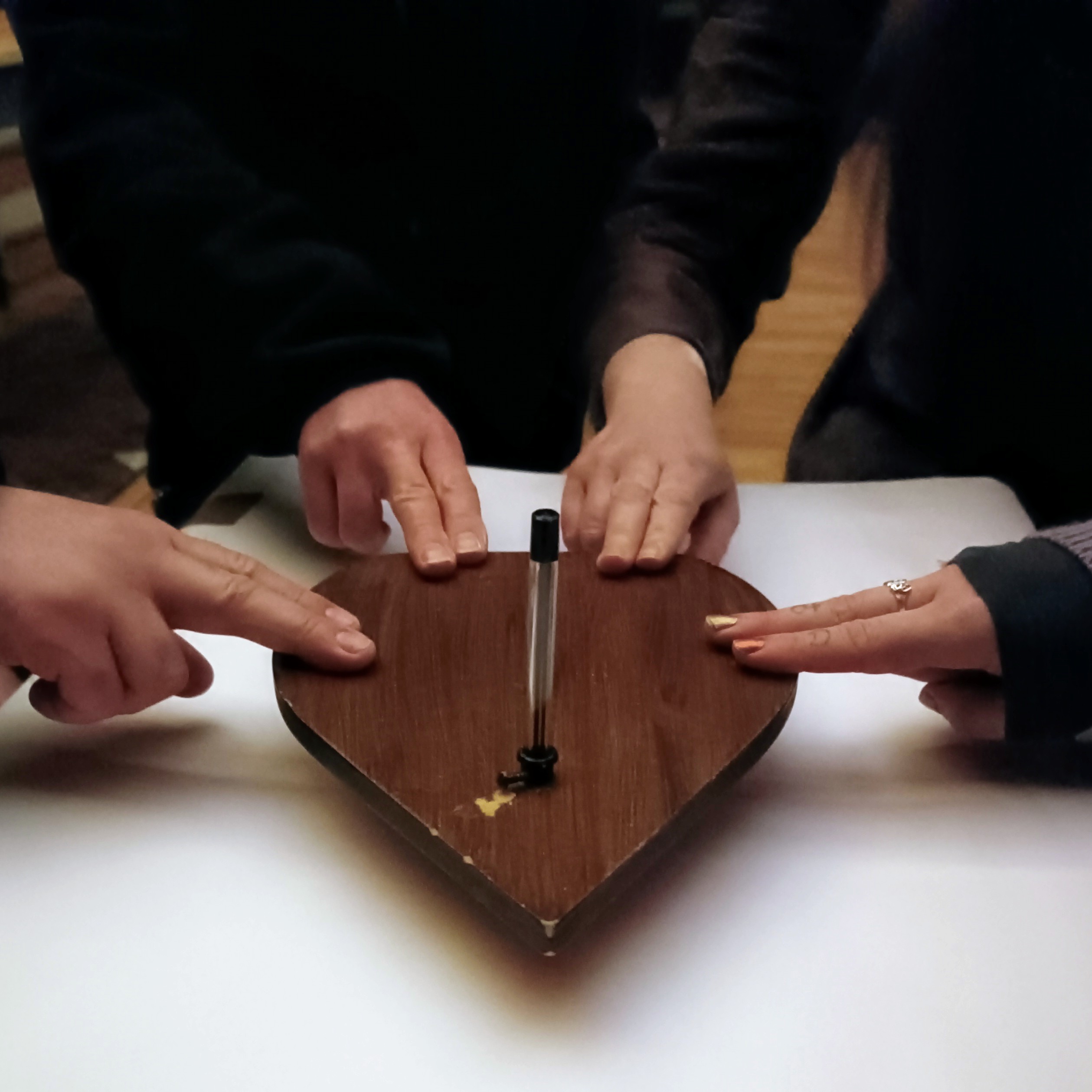
Next up, we headed upstairs in to the Nave of the church where we tried the planchette without much activity. The hope was that we would see some automatic writing. We all placed our fingers on the planchette and asked the spirits to move the planchette across the board, bringing messages from the other side. There was a small amount of movement, but not much unfortunately.

Following this we tried the “Estes Method”. The Estes method is where an investigator wears a blind fold to limit visual stimulation and also wears noise cancelling headphones connected to a sprit box; a device that is used to scan through radio frequencies and it is believed to be a communication tool between the spirit realm and the world of the living.  While the investigator is listening to the spirit box, other members of the group call out to the spirits with questions. The blindfolded investigator will call out any ‘answers’ coming through the headphones from the spirit box.  The idea is that the sensory deprivation eliminates any stimuli that could influence the blindfolded investigator.

In our experiment we sat in a circle near the alter, all wearing blind folds. One person had the spirit box and headphones. One person sat in the centre of the room dressed in an old-fashioned dress near the shadow sensors. We called out questions and for the spirts to touch someone.  After this some other ladies took it in turns to wear the old-fashioned dresses and sit in the centre of the room with the spirit box and a pal of mine in vintage style clothes also took his turn. We called out questions and even religious phrases in Latin to try to call for messages from the spirits. A few words were called out by the person with the spirit box including “like music” and other refences to music a few times.

To finish off we all sat in a circle where the chairs were positioned with one seat inside the circle and the next out.  One person sat at the altar, while other members called out to the spirits to approach and communicate.  The lady at the alter felt a cold spot next to her and a shadow sensor went off ahead of it. She said she felt like a hand was resting on her head at one point. Was this the spirits coming close to her or psychological suggestion?

I noted that the questions asked to the spirits often led to the Reverend William Knight. The Reverend Knight was a long serving rector of the parish, serving for almost sixty years before retiring in 1875. He died 3 years later and was buried in the church crypt. Could this have been him placing reassuring hand on the young lady’s head? There is also the story that a male figure has been seen looking out of the door near nave in past. Could this be the Reverend keeping a watchful eye over his beloved church even after death?

All in all, this was a fascinating and enjoyable night; from the whistle stop introductory talk based around Victorian spiritualism, to the hands-on experience of trying out paranormal investigation techniques. For me there was not enough activity to indicate that the spirits of the dead lurk in ‘The Mount’, waiting to communicate with the living. However, this location is steeped in history and atmosphere, so no doubt further investigation could prove me wrong. Perhaps on a late-night walk home past the Mount, I too one day will spot a dark figure looking out from the nave as I pass by.

With thanks to The Mount, Dr Kate Cherrell and Karin Beasant.

References:

2009-present Ghost Catcher Isles© All rights reserved. All my posts are copyright and if you do wish to refer to them or use anything from them on your site, please credit and link this site