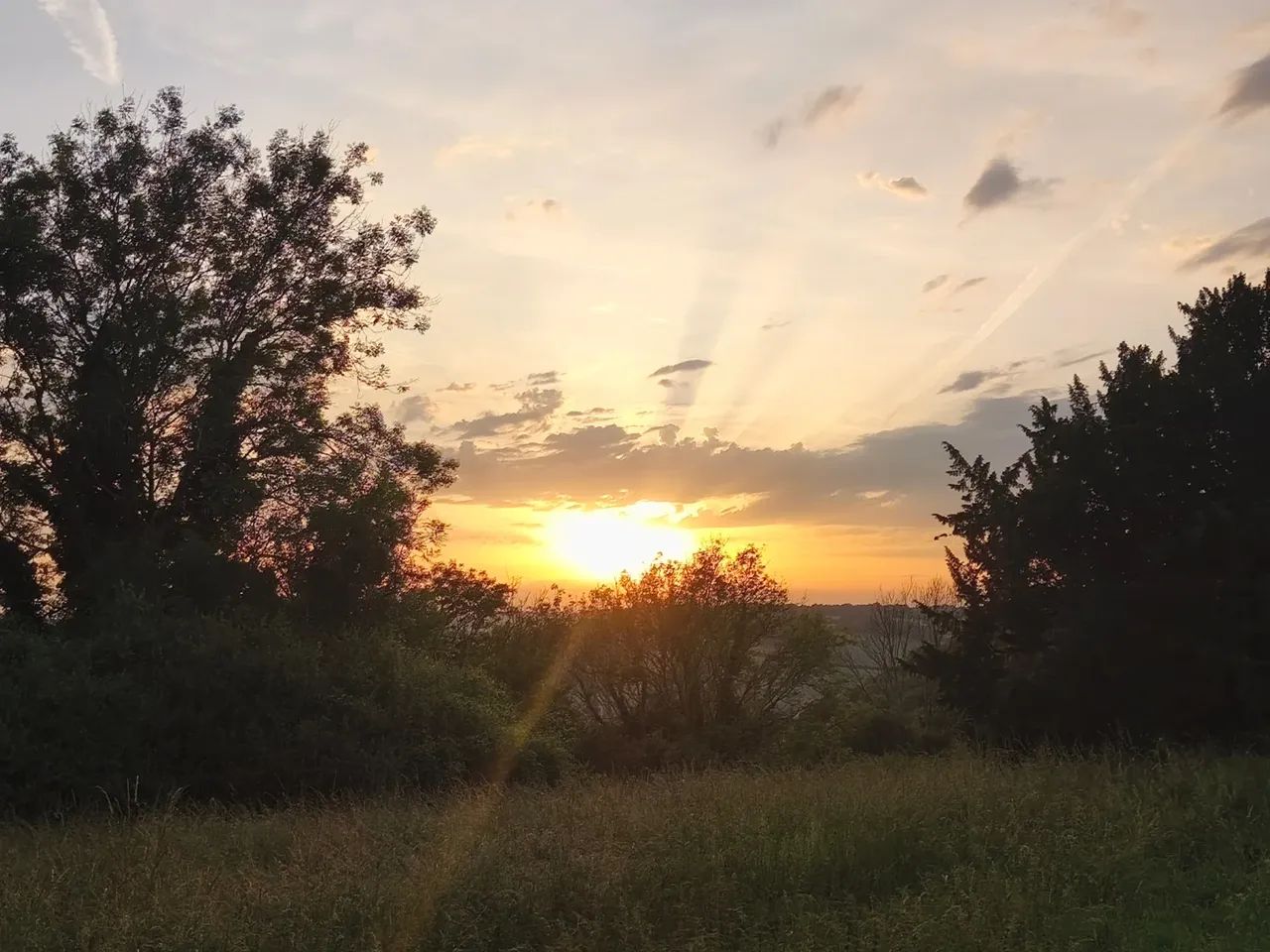
As the sun reached its highest point on the longest day of the year, an energy filled the West Wycombe “Hellfire Caves”, beckoning to those eager to celebrate the Summer Solstice in a truly extraordinary manner. This historic site, rich in folklore and mystery, provided the perfect setting for a gathering that paid homage to the changing seasons while exploring fascinating pagan traditions. The Summer Solstice has been of significance for centuries across many cultures, symbolising light, renewal, and the changing of the seasons. On 21st June 2025, I had the opportunity to attend the Summer Solstice celebration at the Hellfire Caves and the Walled Garden Café in West Wycombe. The festivities kicked off at 4 PM and continued until 8 PM, offering a delightful mix of history and community spirit. In this post, we’ll delve into the importance of the Summer Solstice, the intriguing history of the Hellfire Caves, and the lively rituals that unite pagans. I’ll also share my personal reflections on this experience, capturing the essence of the day and the connections made with fellow attendees. So, come along as we embark on a journey through time and tradition, discovering how the Summer Solstice at the Hellfire Caves not only honours the past but also sparked a sense of wonder in everyone who took part.
The Significance of the Summer Solstice
The Summer Solstice is the time of year where the longest day meets the shortest night of the year, and here the ‘longest day’ refers to the day of the year with the most hours of daylight. In England, the summer solstice marks both the start of summer and, surprisingly, also midsummer. It is the time of the year when the sun is at its highest point in the sky, heralding the beginning of the astronomical summer. Meteorological summer, on the other hand, begins in the Northern Hemisphere almost a month earlier, so for many this time of year is also considered midsummer. Whichever way you prefer to view it, this is a special time of year signifying light, renewal and abundance, and since prehistory, it has been a significant time of year in many cultures, marked by festivals, fire and rituals.
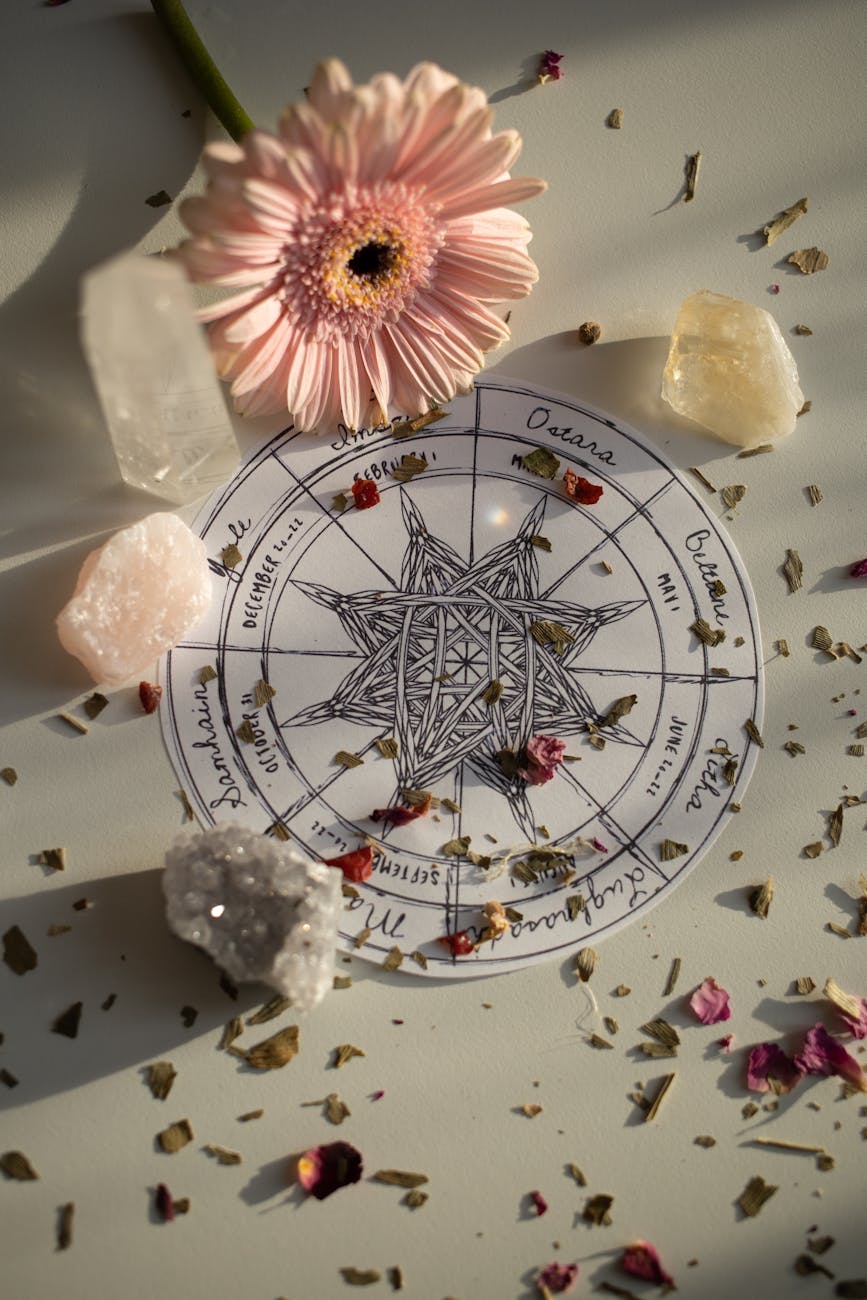
The Oak King and the Holly King are two mythical figures linked to the Summer Solstice and the ever-turning of the seasons, both being personifications of winter and summer. The two kings are engaged in a perpetual battle of light over darkness, crop renewal and growth. At the time of the Summer Solstice, the Oak King, the lord of the brighter part of the year, is at the height of his power, while the Holly King begins his slow return towards the renewal of winter. He slowly regains his power at the autumn equinox, and by the time of the midwinter, it is the Holly King’s time to be at the height of his strength. It is at this point the Oak King is reborn to build up his power at the spring equinox, where he once again succeeds as ruler.
Our Journey and Arrival at West Wycombe
With parts of the UK experiencing their first heatwave of the year, my husband Ed, our friend Claire and I drove down from Bristol through the scorching sun. I wore my new Green Man dress, which I felt fitted the event, but immediately regretted not bringing a hat due to the searing heat of about 30°C.
s we arrived at the event, the atmosphere buzzed with excitement and anticipation. The sun shone brightly overhead, casting a warm glow on the vibrant surroundings. The festive spirit of the event was palpable, setting the stage for a truly memorable celebration of the Summer Solstice.

First up after we arrived, we spotted the Morris Dancers, the Aldbury Morris Men, a troupe from the Cotswolds that has been going since 1969. Their dances featured a blend of Cotswold traditions and some Border styles, accompanied by music and singing. Their rhythmic dances, accompanied by the clacking of staves and the jingling of bells, created an infectious energy that drew in the crowd. Around this time, I was almost pickpocketed by their naughty hobby horse, but my eagle eye spotted him in time before he made off with my purse! After chasing him down for a photo, he ‘mooned’ me! How rude! He claimed that as it was the summer solstice, it was a time for both the sun and the ‘moon’ to come out!
We watched the Morris Men perform several traditional dances, clacking their staves and jingling their bells as they went. Claire even took the opportunity to join in when they invited people to learn a dance with them. Not being a natural dancer myself, I felt too shy to participate but watched in amusement and interest from the sidelines.
Exploring the Hellfire Caves
After this we headed to the Hellfire Caves to cool off and catch one of Stevyn Colgan’s Solstice lectures on the folklore and traditions surrounding the solstice.
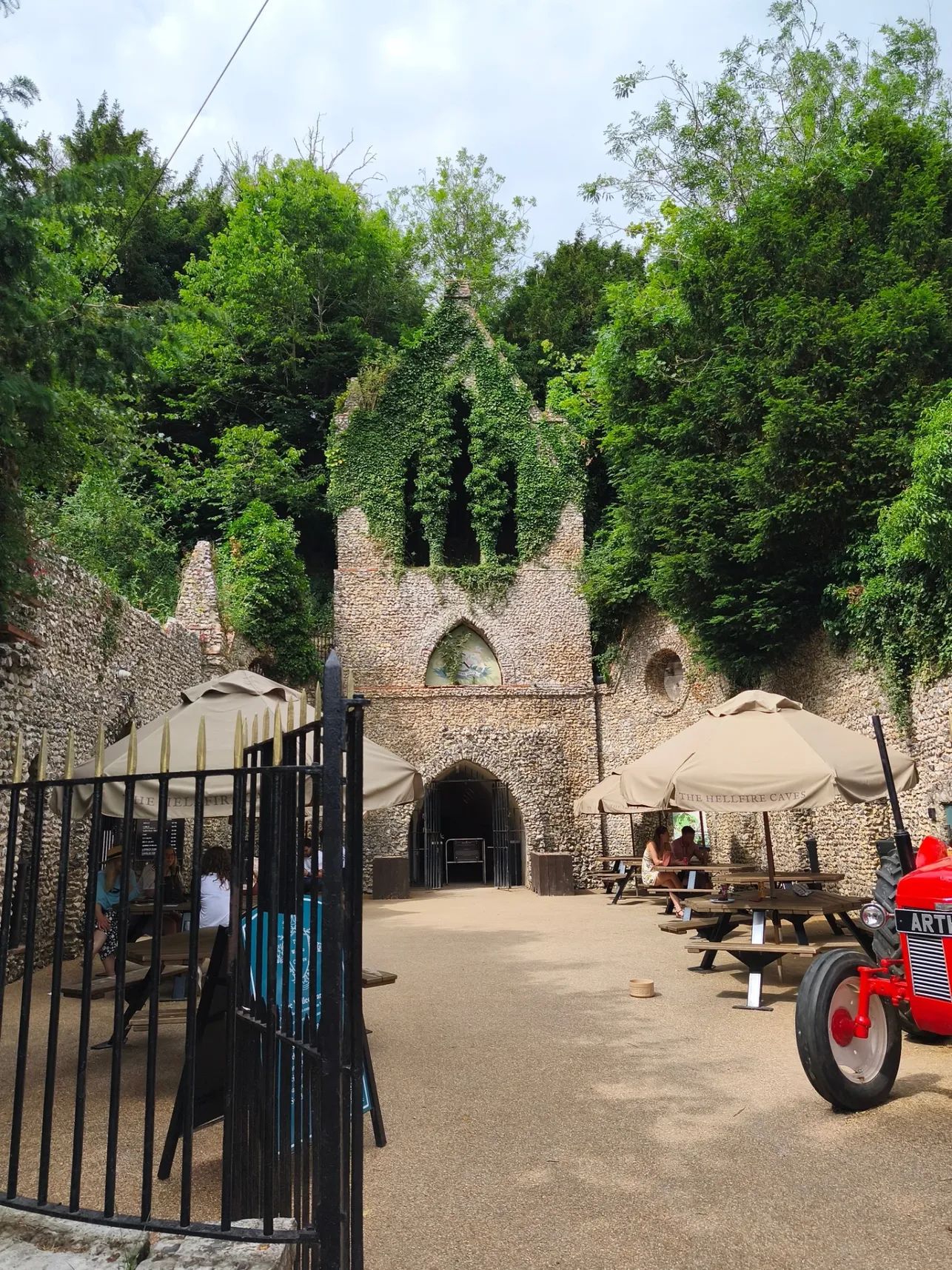
The West Wycombe “Hellfire” Caves in Buckinghamshire are a fascinating network of man-made caves carved from chalk and flint during the mid-18th century. They are famously linked to the Order of the Friars of St Francis of Wycombe, commonly known as the “Hellfire Club”, an infamous society that was established by Sir Francis Dashwood, who used the caves for their meetings and rituals.
The caves were originally dug out to provide work for local people facing tough agricultural hardship, with the materials taken from the site being used to build a new road. Over time, however, the caves transformed into a base for the Hellfire Club’s activities, which featured mock religious ceremonies and extravagant banquets, adding to the site’s notoriety for secrecy and hedonism.
I’d met Stevyn Colgan briefly at the Wycombe Paranormal Convention in 2024, where I first heard him speak, so I knew we’d be in for a treat with his talk today.
Stevyn Colgan is a British writer, artist, and speaker. He spent three decades as a police officer in London from 1980 to 2010 before moving into the creative field as a researcher and scriptwriter for the BBC series ‘QI’ and its companion show, ‘The Museum of Curiosity’, until 2018. Colgan also co-hosts the podcast ‘We’d Like a Word’, which delves into the world of books and authors. Colgan is a passionate forager and keen student of British folklore, identifying as an author, illustrator, speaker, and folklorist. On social media he describes himself as an “ex-QI elf” and “Cornish pisky” and claims to be “mostly made of hair and tea”.

Colgan led us into the caves and started by briefly telling us some of the history and background to the caves and the Hellfire Club. At one point he pointed out a carving by painter William Hogarth said to be of Dashwood in a pope’s hat, as the Hellfire Club enjoyed mocking the Church. Looking at the carving, it is good that Hogarth stuck with the painting instead. Of more modern interest, he described how the caves famously featured in the film “Beetlejuice, Beetlejuice” (2024), whose funeral scene was filmed on the estate.
His discussion on the Summer Solstice delved into its fascinating history, myths, folklore, and traditions. Colgan told us how Milton Keynes, known for its distinctive urban layout, contains Midsummer Boulevard, which aligns perfectly with the sunrise on the summer solstice, making it a key spot for celebrations. Modern druids and witches often gather for the Midsummer festival there, which includes the Light Pyramid sculpture in Campbell Park, also aligned with the solstice sunrise.
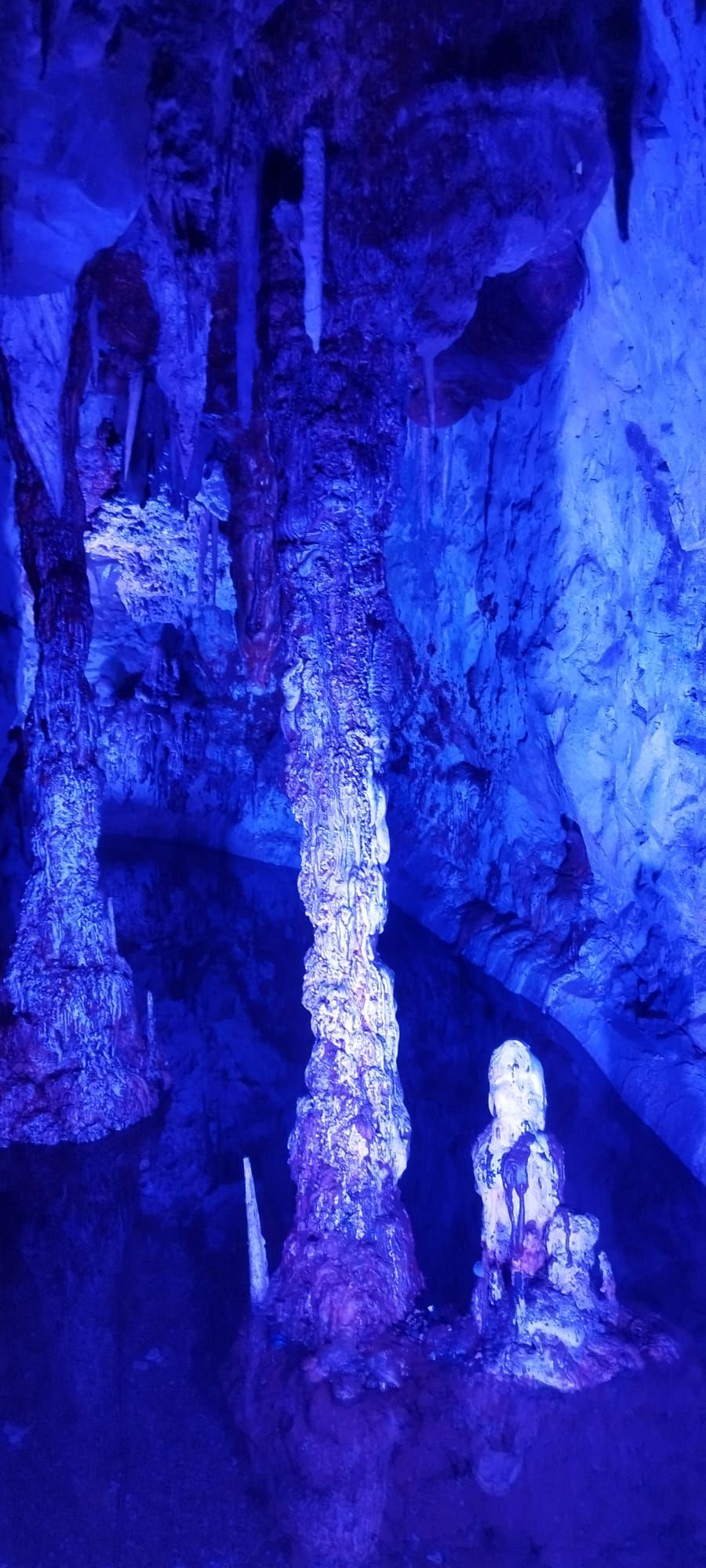
The solstice signifies a time of change, dividing the year into four distinct seasons, with equinoxes marking important agricultural periods like lambing and harvest. Midsummer Day, celebrated on the Pagan 22nd, and St John’s Day on the 24th in the Christian calendar are both traditionally marked by bonfires. These fires have a long history of being used for purification rituals, where young people would leap over the flames, and animals would pass through to rid themselves of ticks. The term “bonfire” actually comes from the practice of burning animal bones on these fires.
Celebrations during this time often involve feasting, dancing, and various other rituals. One tradition is to pick a flower and place it in a vase; if it wilts to the left, it is considered bad luck, while wilting to the right brings good fortune. There is also the “dumb cake” ritual, where silence must be maintained while preparing the cake, with the first slice believed to reveal one’s future husband. Additionally, on the eve of the Summer Solstice, it is said that ghostly figures knock on church doors at midnight, representing those who are destined to pass away that year. The dressing of holy wells is another part of the solstice traditions, emphasising the deep connection to nature and the spiritual significance of this time of year.
Food, Music and Flames
Feeling cooler and refreshed from the lower temperatures of the caves, we made our way back to the Walled Garden Café ‘paddock’ to enjoy a bite to eat from the food vans and listen to lively folk music performed by “My Mate Dave”, a female-fronted folk band. We set down our colourful picnic blanket and ate pizza, relaxed and listened to the festive tunes while majestic red kites hovered overhead in search of small prey for their own supper.
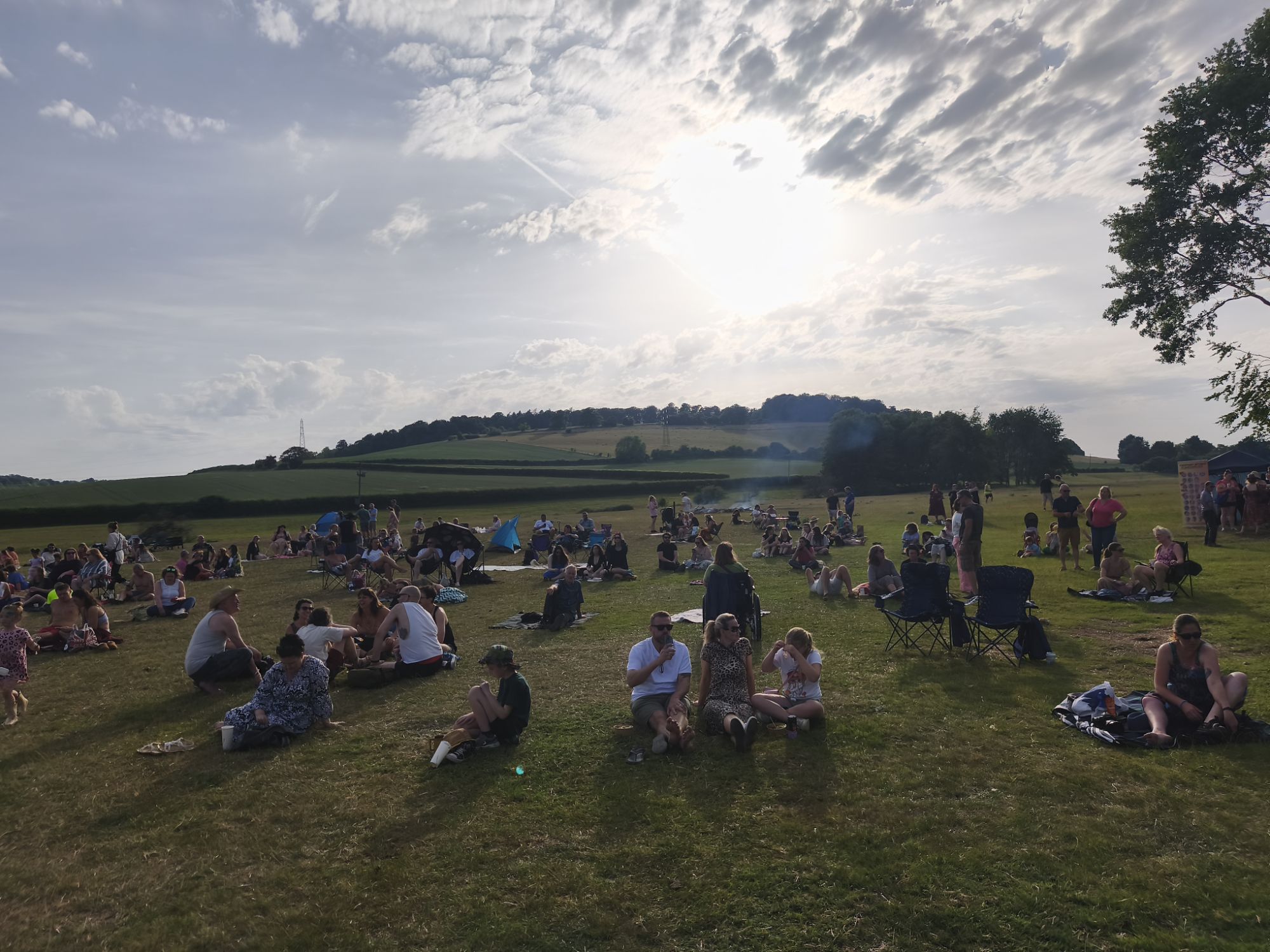
It was soon time for the Solstice Bonfire. The bonfire was lit a distance away from revellers for safety, but it still packed a punch; its roaring flames were impressive and primal in this already very hot weather. Bonfires on the summer solstice have ancient roots, traditionally lit to honour the sun, promote good harvests and protect from evil spirits. These practices are found in various cultures, including Celtic, Slavic, and Germanic traditions, with bonfires symbolising the sun’s strength and its role in the agricultural cycle.
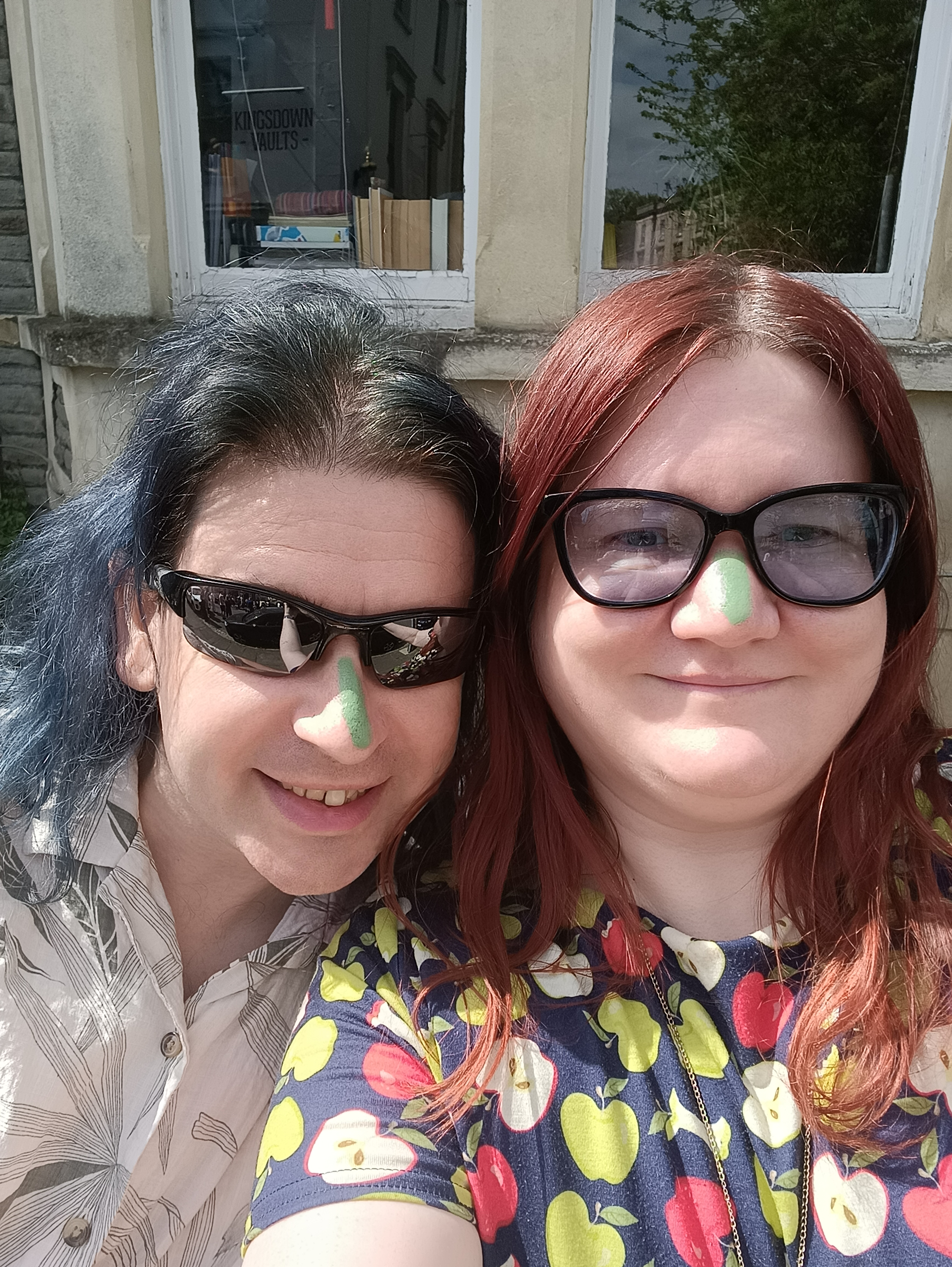
Throughout the day there were other events for families and festivalgoers such as a costume competition, face painting and summer wreath and flower crown making. These activities created a joyful, family-friendly atmosphere that made the event even more memorable.
A Visit to the Dashwood Mausoleum
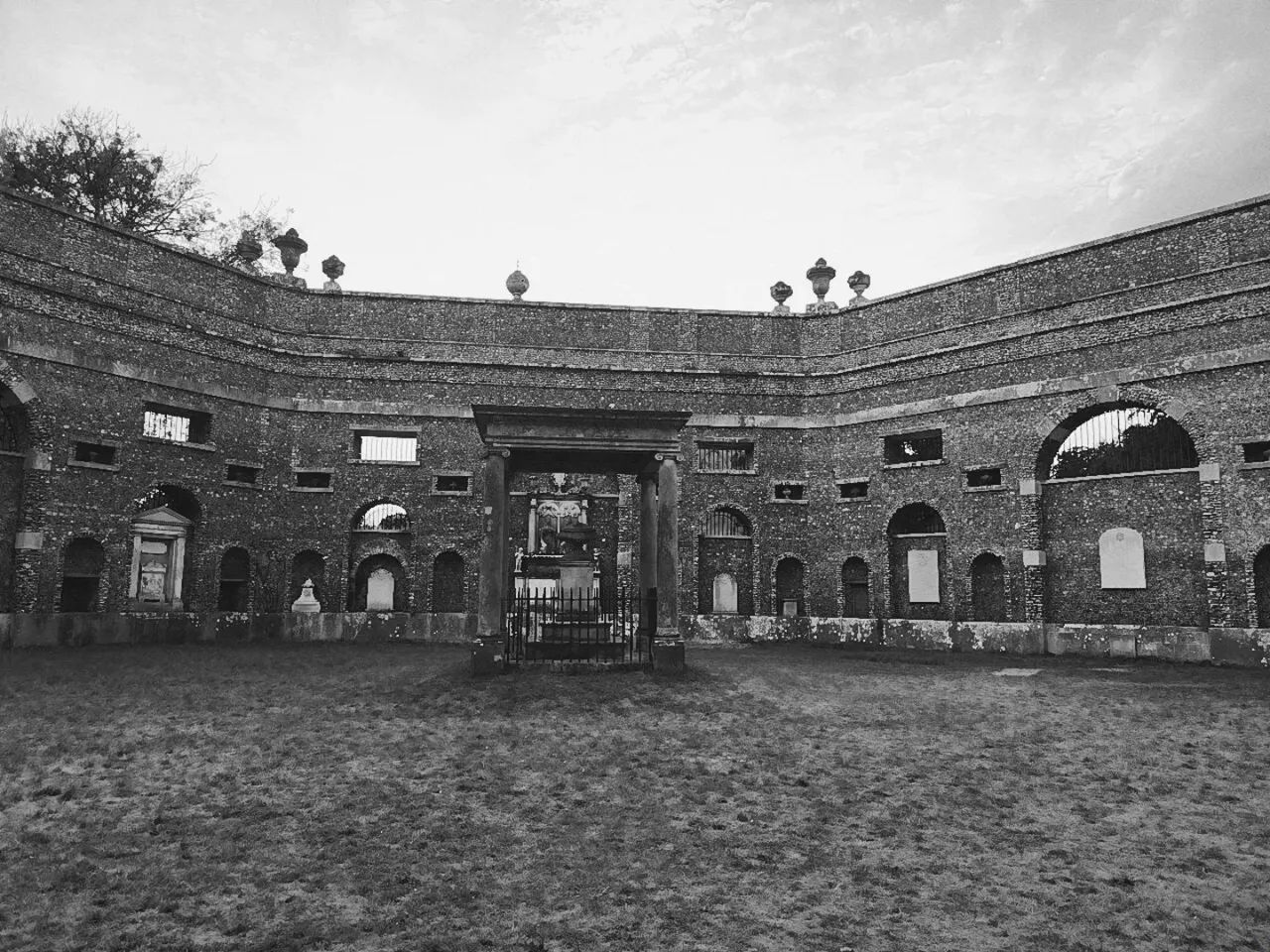
After the event concluded, we took a brief trip up to the Dashwood mausoleum, located on top of the West Wycombe Hill. The mausoleum is a hexagonal structure built of Portland stone and flint and serves as a private burial ground for the Dashwood family, including Sir Francis Dashwood and his relatives. The mausoleum is also known for housing an urn containing the heart of Paul Whitehead, a friend of Sir Francis and steward of the Hellfire Club.
We explored and lingered here a while, witnessing a vibrant rainbow appear in the sky over West Wycombe. After a moment of reflection and quiet contemplation, we finally set off back to Bristol in the soft, dwindling Summer Solstice light.
Embracing the Spirit of the Summer Solstice: Celebrating Connection and Community

Looking back on the day, I feel a deep sense of gratitude for the chance to celebrate the Summer Solstice in such a unique setting. From the entertaining performances of the Morris Dancers to the enlightening lecture held in the Hellfire Caves, every moment contributed to a richer appreciation of this ancient tradition. The joy of celebrating as a community was infused throughout the day as families and friends gathered to take part in the festivities, creating lasting memories together. The Summer Solstice serves as a beautiful reminder of the wonders of nature and the importance of connection, both with the earth and with one another. I invite readers to share their own summer solstice experiences or thoughts, as we continue to celebrate the light and warmth that this time of year brings.
If you enjoyed reading about my Summer Solstice experience, I would encourage you to seek out similar events in the future. Participating in community celebrations not only enriches our lives but also fosters a sense of belonging and connection. Please feel free to share this post or leave a comment with your own Summer Solstice stories or reflections. Let’s keep the spirit of the Summer Solstice alive by sharing our experiences and celebrating the light together!

References
- Aldburymorris.co.uk. (2025). Aldbury Morris Men. [online] Available at: http://www.aldburymorris.co.uk [Accessed 1 Jul. 2025].
- B. A., H. (n.d.). The Legend of the Holly King and the Oak King. [online] Learn Religions. Available at: https://www.learnreligions.com/holly-king-and-the-oak-king-2562991 [Accessed 1 Jul. 2025].
- Bett, D. (2025). Summer solstice 2025: When is it and what does it mean? [online] BBC Weather. Available at: https://www.bbc.co.uk/weather/articles/cx2j605dd8ko [Accessed 1 Jul. 2025].
- Colgan, S. (n.d.). Colganology. [online] YouTube. Available at: https://www.youtube.com/channel/UCJsrxGbMrn3LDJxLnaDTfHQ [Accessed 1 Jul. 2025].
- Colgan, S. (2025). Stevyn Colgan (@stevyncolgan) • Instagram . [online] Instagram.com. Available at: https://www.instagram.com/stevyncolgan/ [Accessed 1 Jul. 2025].
- Facebook.com. (2019). My Mate Dave (Facebook). [online] Available at: https://www.facebook.com/mymatedavemusic/ [Accessed 1 Jul. 2025].
- Hellfire Caves. (n.d.). Hellfire Caves Website. [online] Available at: https://www.hellfirecaves.co.uk/ [Accessed 1 Jul. 2025].
- National Trust. (2017). West Wycombe’s history | Buckinghamshire. [online] Available at: https://www.nationaltrust.org.uk/visit/oxfordshire-buckinghamshire-berkshire/west-wycombe-park-village-and-hill/history-of-west-wycombe-park-village-and-hill [Accessed 1 Jul. 2025].

 Ghost Catcher Isles