Dreams of Treasure

Part 1: The Pedlar of Swaffham 

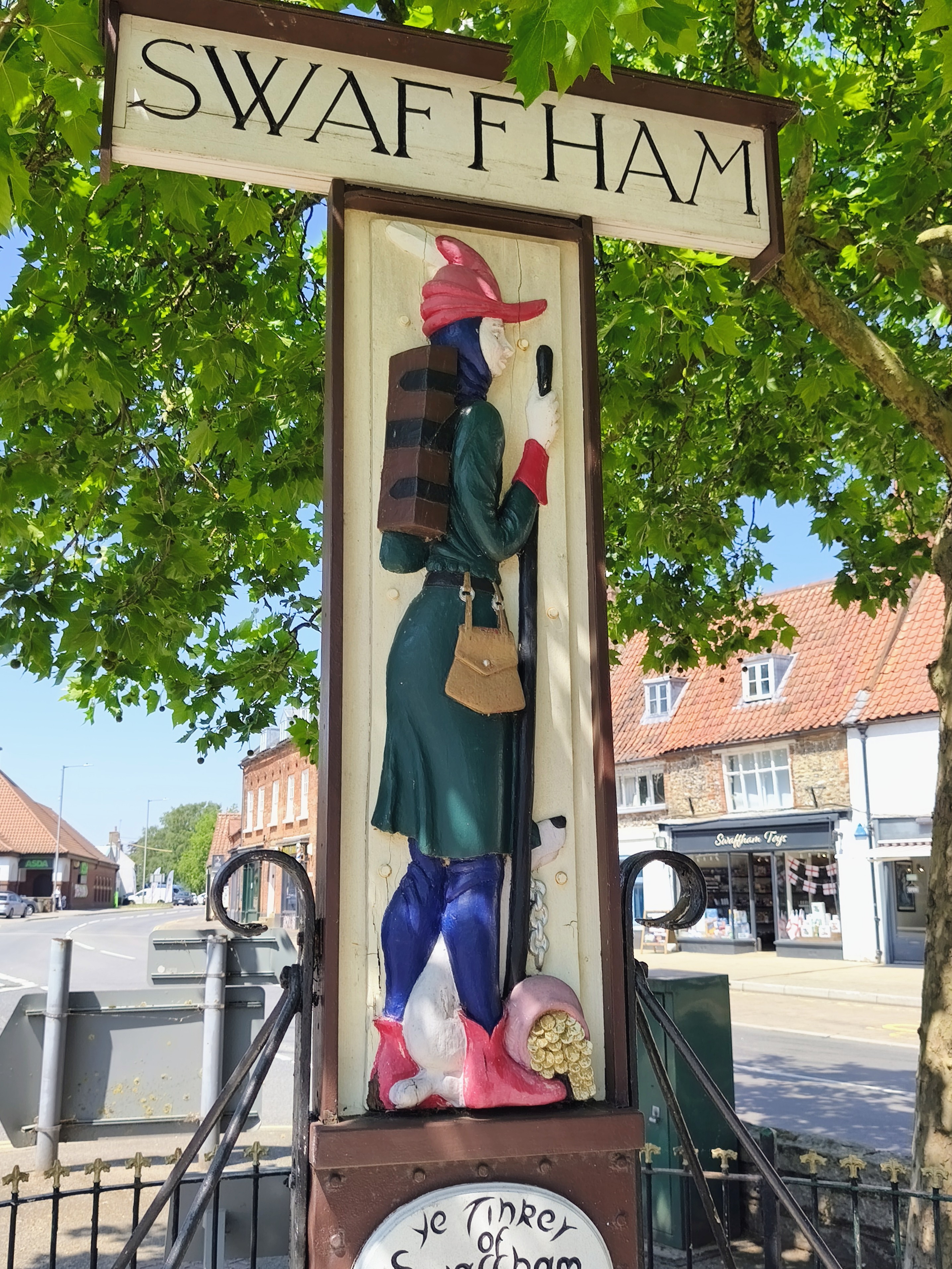
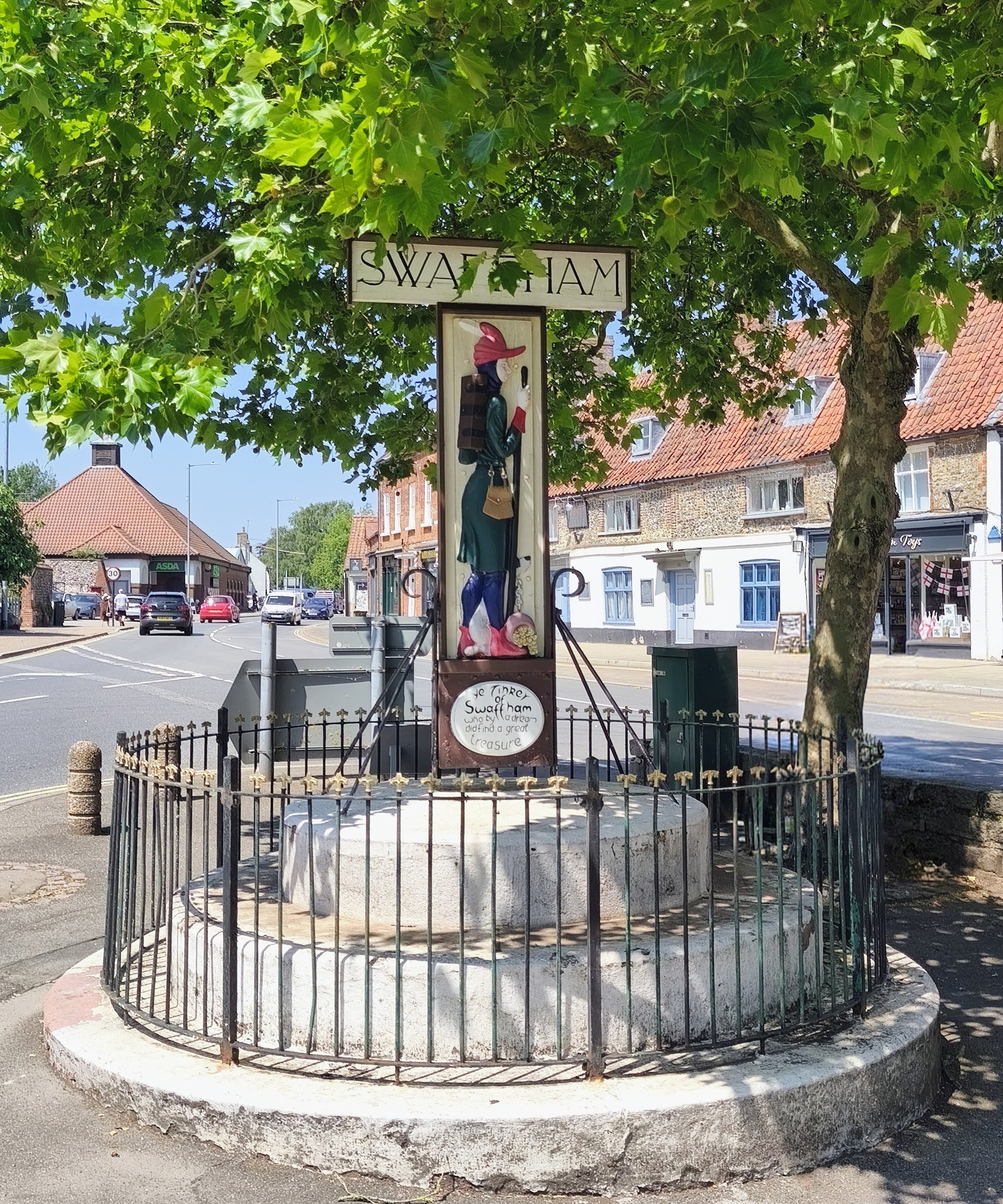
(Image: Swaffham Town Sign. Source: E.Holohan 2026)

A Story That Stayed With Me

When I was at primary school in rural Norfolk I remember hearing one of the first Norfolk folktales that ever captured my imagination: the Pedlar of Swaffham.

The story fascinated me. Over the years, I came to realise that although it felt so familiar to me, it was not nearly as well known elsewhere. Many people had heard of the famous tale of Dick Whittington and his cat, but very few people I met had ever heard of the Pedlar of Swaffham and his hound. Yet, as we shall discover, this story belongs to a much wider tradition of folklore and shares surprising similarities with legends from elsewhere.

I can still picture myself sitting cross legged on the classroom floor, listening intently as my teacher recounted the almost magical story of a poor pedlar whose life was transformed after following a dream. Then came the part that amazed me. My teacher told us that the story was based on a real person, and that the pedlar had paid for the rebuilding of the church in Swaffham. Better still, she said, you could still see him on the town sign.

To a child, that was extraordinary. How could someone who seemed to belong in a fairy tale have actually existed?

Stories like this have a way of staying with you, lodging themselves in your imagination. The Pedlar of Swaffham certainly did for me. Decades later while visiting Norfolk, I decided it was finally time to visit Swaffham itself to see whether I could still find traces of the legend and perhaps even of the man behind it.

Looking for the Pedlar

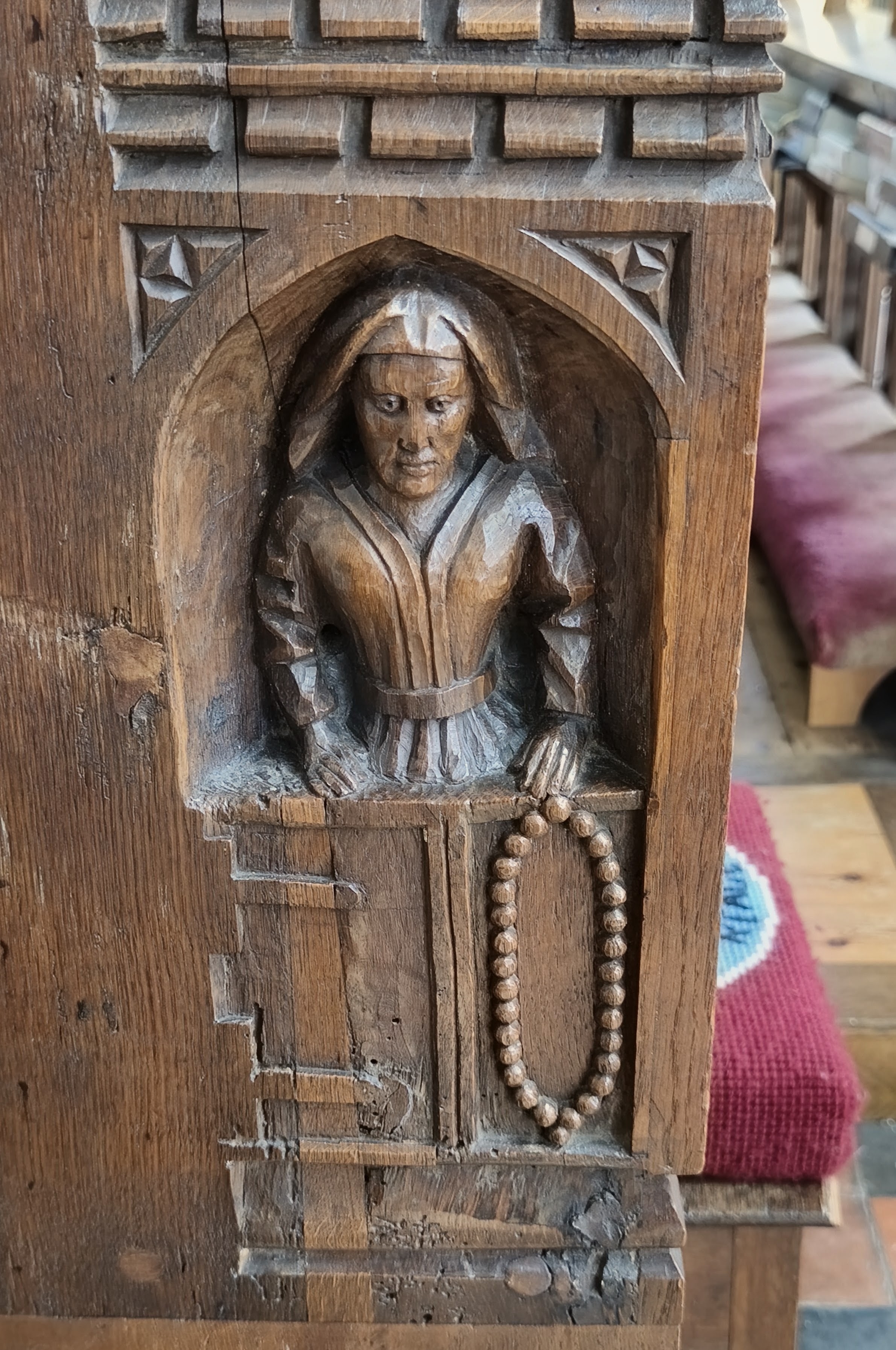
(Image: Carving believed to be John Chapman. Source: E.Holohan 2026)

While researching both the folklore and the historical origins of the Pedlar of Swaffham, I discovered that St Peter and St Paul’s Church contains carvings believed to depict the historical John Chapman, the man thought to have inspired the legend. That made the church my first destination.

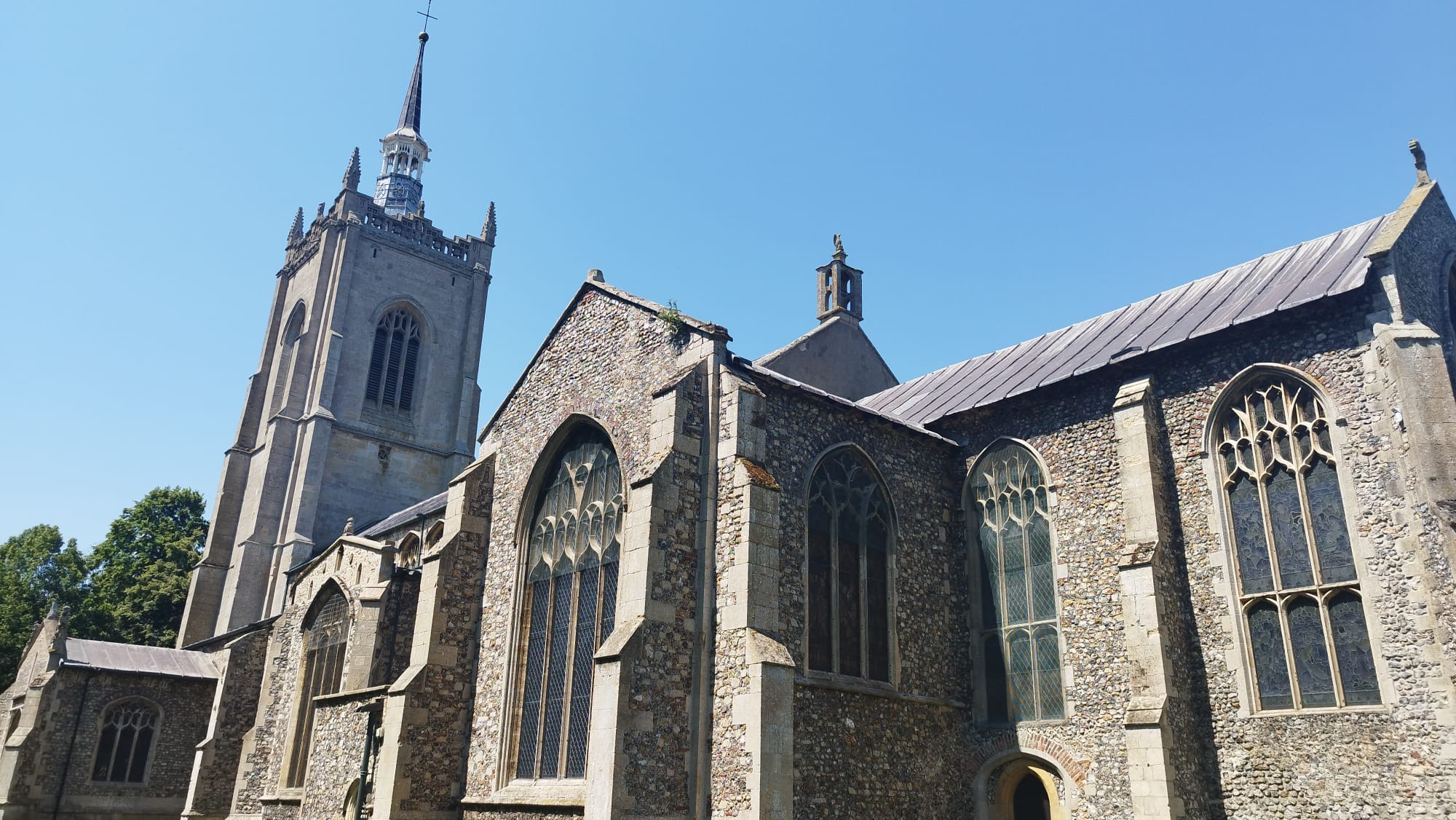
Walking from the marketplace down a wide lane, the great tower of St Peter and St Paul’s gradually came into view, rising above the surrounding buildings. Stepping inside, I was immediately struck by the magnificent hammerbeam roof stretching overhead. The church was quiet, filled with the sort of peaceful atmosphere that encourages you to slow down and take everything in with reverence.

I then began my search for the famous carvings.

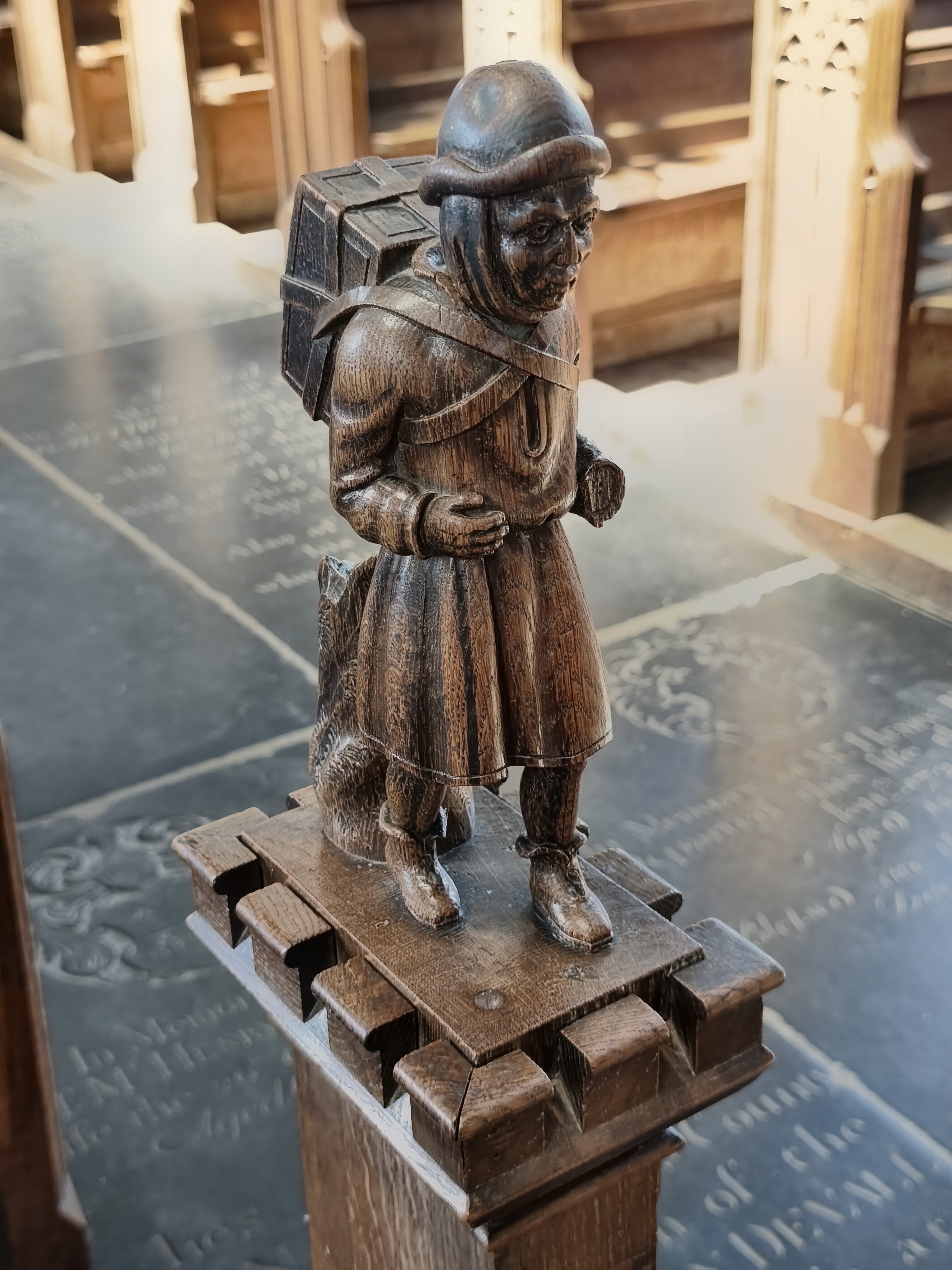
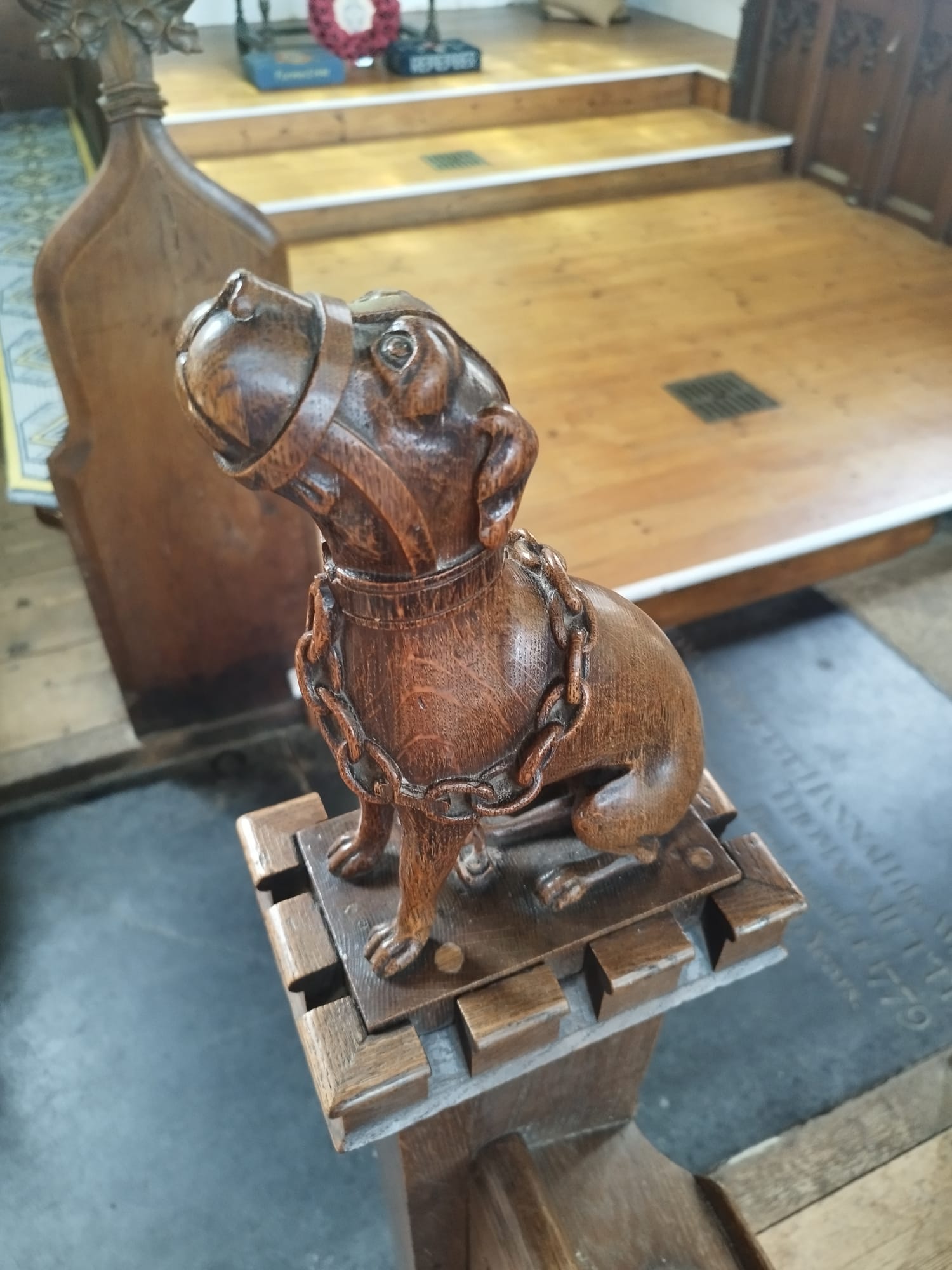
The first I found were on the bench ends. Some showed a folkloric depiction of the Pedlar of Swaffham wearing his close fitting rolled brim hat and carrying his pack. Nearby were carvings of his faithful dog. They were wonderful to see, but they were not the figures I had come looking for.

Further into the church, I finally found them. The carvings believed to represent the historical John Chapman show him peering from a window, while his wife looks out from a balcony above. It felt strangely moving to come face to face with someone who had lived in my imagination since childhood.

The Church Behind the Legend

The history of the man in the carving is closely linked to the history of the church itself.

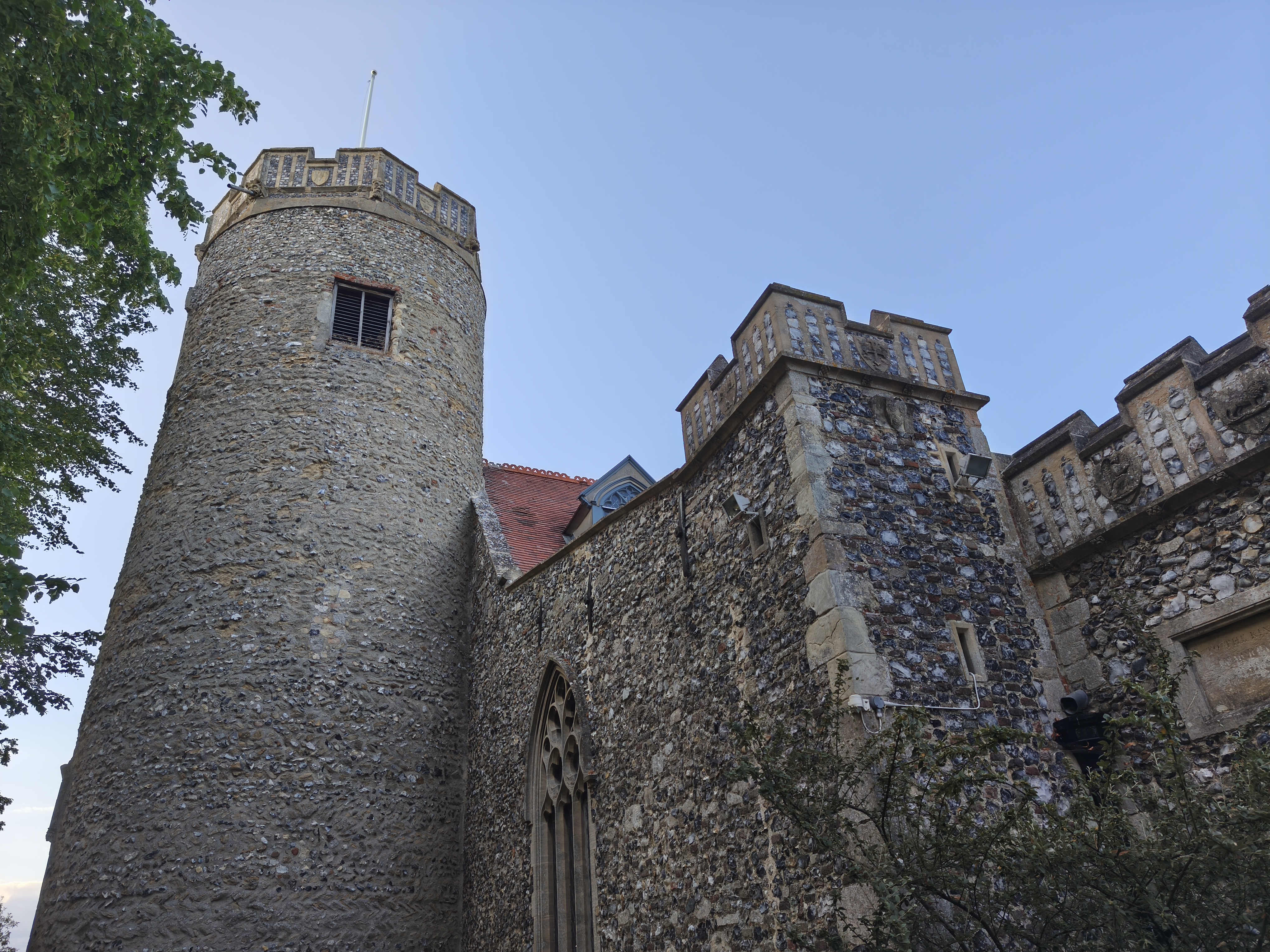
(Image: St Peter and St Paul’s Church, Swaffham. Source: E.Blackshaw 2026)

St Peter and St Paul’s Church was rebuilt during the fifteenth century, funded by a number of wealthy local benefactors. Among them was John Chapman, whose generosity helped finance the work and whose likeness is thought to survive within the church.

It is here that history and folklore begin to merge. The documented life of John Chapman became entwined with the local legend until it became difficult to separate the historical benefactor from the legendary pedlar. Together, they created one of Norfolk’s most loved folk stories.

Who was John Chapman? Why did he become known as the Pedlar of Swaffham? How did the story of one Norfolk merchant become one of England’s most enduring folktales?

Settle in and let us follow the dream that turned an ordinary pedlar into a legend.

The Pedlar’s Dream

John Chapman was a pedlar, a travelling merchant, who wandered around Norfolk in the fifteenth century, taking his goods from one market to another. On market days he would join the other traders selling everything from brooches and combs to silver mirrors, eggs, spices, mustard and freshly baked bread. With his packhorse loaded with wares, John would leave Swaffham early in the morning and spend the day selling what he could. He’d then stay overnight in simple lodgings and return home the next day.

One day he came home tired and disappointed. Business had been very poor and he had not sold a single thing, not even one copper pan.

After his meal he complained to his wife that money was becoming short and trade was getting harder. The long journey had worn him out, so he went straight upstairs to bed.

That night he had the strangest dream.

(Image: Pedlar of Swaffham bench end. Source: E.Holohan 2026)

The dream was so vivid that it felt completely real. A man appeared to him over and over again, telling him that if he travelled to London Bridge and stood there, he would hear something that would lead him to his fortune.

When he woke the dream stayed with him. He tried to put it out of his mind, but it kept returning. The next day he thought about it again. Then the day after that. The more he tried to ignore it, the more it seemed to pop into his head.

Eventually he could stand it no longer.

“I have to go to London Bridge,” he told his wife.

She thought the whole idea sounded preposterous, but she could see he had made up his mind. If travelling all that way would finally put the dream to rest, then she was not going to stop him.

So John packed a few clothes and some food for the journey, called to his faithful dog, and set off on the long road to London.

After many days of walking he finally arrived in the hustle and bustle of the great city. Before long he found London Bridge, but it was nothing like the bridge we know today. In those days it was lined with houses and shops, with people living and working all along it. It was one of the busiest places in England.

John found a place to stand and waited.

He watched everyone who passed, listening carefully to every conversation. Surely someone would say the words he had travelled all this way to hear.

One day passed. Then another. Still nothing happened.

On the third day a shopkeeper noticed him and asked why he had been standing on the bridge for so long.

John admitted that he was there because of a dream. The shopkeeper just laughed.

“My friend,” he said, “if I believed dreams, I’d be as foolish as you. Only a few nights ago I dreamed I should travel to the home of a man called John Chapman in Swaffham and dig beneath the tree behind his house. According to my dream, I’d find a great treasure there. But you don’t see me rushing off to Norfolk, do you?”

(Image: Chapman’s dog. Source: E.Holohan 2026)

The shopkeeper laughed again and went back to his business.

John stood speechless, scarcely believing his own ears. Without wasting another moment, he turned around and began the journey home.

As soon as he reached Swaffham he grabbed a spade and hurried to the apple tree behind his house. He dug as quickly as he could, hardly expecting to find anything, yet still hoping.

Then his spade struck something hard.

He uncovered a chest buried beneath the earth, filled with gold coins. He and his wife were overjoyed. But carved into the lid was an inscription in Latin that neither he nor his wife could understand. He started to worry that this might not be his fortune, but perhaps a curse inscribed. Hoping someone might recognise the words, John placed the chest in his window.

It wasn’t long before some educated young men who knew the language happened to pass by. They read the inscription and translated it.

“Under me doth lie, another much richer than I.”

John didn’t need telling twice.

He returned to the tree and dug even deeper. Soon he pulled up another chest, this one far larger than the first. Inside were coins, jewels and riches beyond anything he had ever imagined.

The pedlar’s fortune had finally been found.

According to the legend, John Chapman became one of Swaffham’s wealthiest men. Grateful for his good fortune, he helped pay for the rebuilding of St Peter and St Paul’s Church.

Whether every detail really happened is impossible to know. Over the centuries, history and folklore have become intertwined.  More than five hundred years later, the pedlar remains a symbol of Swaffham and is immortalised on the town sign. Visitors can still find the carvings said to represent the pedlar and his loyal dog, and his story continues to be told in Swaffham and far beyond.

As I walked from the church, I thought my journey with the Pedlar had come to an end. In reality, it was only just beginning. While researching the Swaffham legend I had come across another story of a prophetic dream and hidden treasure, but this time from a place with a very personal connection to my own life.

It made me wonder whether the Pedlar of Swaffham is just one version of a much older story, one that has travelled across countries and centuries.

That is a journey I’ll be exploring in the next part of this series. 

(Image: Swaffham Town Sign. Source: E.Holohan 2026)

Sources

Firelight Tales: A Festive Summer Solstice at the Hellfire Caves.

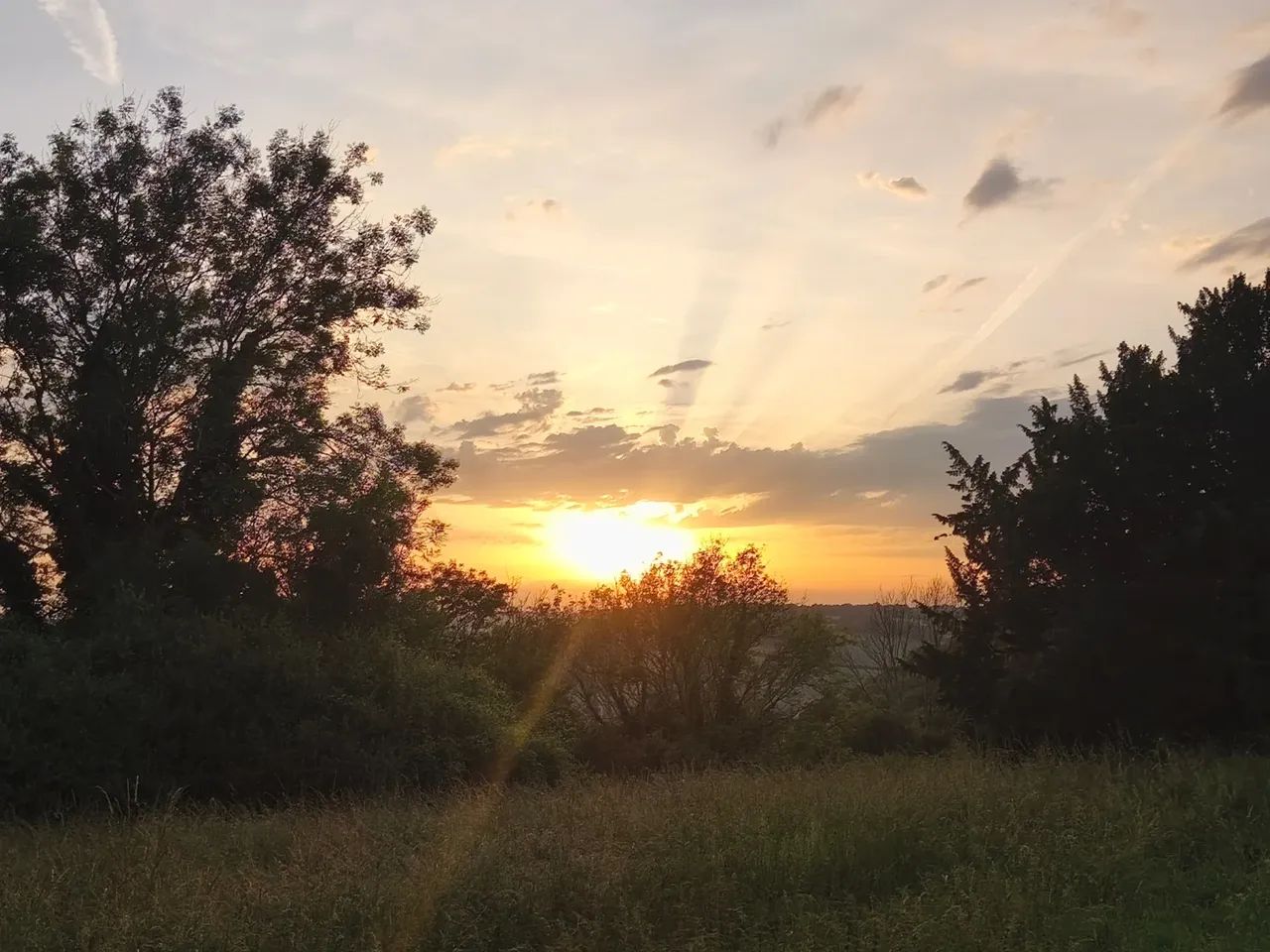
(Image: Summer Solstice Sunset over West Wycombe. Source: E.Holohan 2025)

As the sun reached its highest point on the longest day of the year, an energy filled the West Wycombe “Hellfire Caves”, beckoning to those eager to celebrate the Summer Solstice in a truly extraordinary manner. This historic site, rich in folklore and mystery, provided the perfect setting for a gathering that paid homage to the changing seasons while exploring fascinating pagan traditions. The Summer Solstice has been of significance for centuries across many cultures, symbolising light, renewal, and the changing of the seasons. On 21st June 2025, I had the opportunity to attend the Summer Solstice celebration at the Hellfire Caves and the Walled Garden Café in West Wycombe. The festivities kicked off at 4 PM and continued until 8 PM, offering a delightful mix of history and community spirit. In this post, we’ll delve into the importance of the Summer Solstice, the intriguing history of the Hellfire Caves, and the lively rituals that unite pagans. I’ll also share my personal reflections on this experience, capturing the essence of the day and the connections made with fellow attendees. So, come along as we embark on a journey through time and tradition, discovering how the Summer Solstice at the Hellfire Caves not only honours the past but also sparked a sense of wonder in everyone who took part.

The Significance of the Summer Solstice

The Summer Solstice is the time of year where the longest day meets the shortest night of the year, and here the ‘longest day’ refers to the day of the year with the most hours of daylight. In England, the summer solstice marks both the start of summer and, surprisingly, also midsummer. It is the time of the year when the sun is at its highest point in the sky, heralding the beginning of the astronomical summer. Meteorological summer, on the other hand, begins in the Northern Hemisphere almost a month earlier, so for many this time of year is also considered midsummer. Whichever way you prefer to view it, this is a special time of year signifying light, renewal and abundance, and since prehistory, it has been a significant time of year in many cultures, marked by festivals, fire and rituals.

(Image: Pagan wheel of the year. Photo by Monstera Production on Pexels.com)

The Oak King and the Holly King are two mythical figures linked to the Summer Solstice and the ever-turning of the seasons, both being personifications of winter and summer.  The two kings are engaged in a perpetual battle of light over darkness, crop renewal and growth. At the time of the Summer Solstice, the Oak King, the lord of the brighter part of the year, is at the height of his power, while the Holly King begins his slow return towards the renewal of winter.  He slowly regains his power at the autumn equinox, and by the time of the midwinter, it is the Holly King’s time to be at the height of his strength. It is at this point the Oak King is reborn to build up his power at the spring equinox, where he once again succeeds as ruler.

Our Journey and Arrival at West Wycombe

With parts of the UK experiencing their first heatwave of the year, my husband Ed, our friend Claire and I drove down from Bristol through the scorching sun. I wore my new Green Man dress, which I felt fitted the event, but immediately regretted not bringing a hat due to the searing heat of about 30°C.

s we arrived at the event, the atmosphere buzzed with excitement and anticipation. The sun shone brightly overhead, casting a warm glow on the vibrant surroundings. The festive spirit of the event was palpable, setting the stage for a truly memorable celebration of the Summer Solstice.  

(Image: Aldbury Morris Men. Source: E.Holohan 2025)

First up after we arrived, we spotted the Morris Dancers, the Aldbury Morris Men, a troupe from the Cotswolds that has been going since 1969. Their dances featured a blend of Cotswold traditions and some Border styles, accompanied by music and singing.  Their rhythmic dances, accompanied by the clacking of staves and the jingling of bells, created an infectious energy that drew in the crowd. Around this time, I was almost pickpocketed by their naughty hobby horse, but my eagle eye spotted him in time before he made off with my purse! After chasing him down for a photo, he ‘mooned’ me! How rude! He claimed that as it was the summer solstice, it was a time for both the sun and the ‘moon’ to come out! 

We watched the Morris Men perform several traditional dances, clacking their staves and jingling their bells as they went. Claire even took the opportunity to join in when they invited people to learn a dance with them. Not being a natural dancer myself, I felt too shy to participate but watched in amusement and interest from the sidelines.

Exploring the Hellfire Caves

After this we headed to the Hellfire Caves to cool off and catch one of Stevyn Colgan’s Solstice lectures on the folklore and traditions surrounding the solstice.

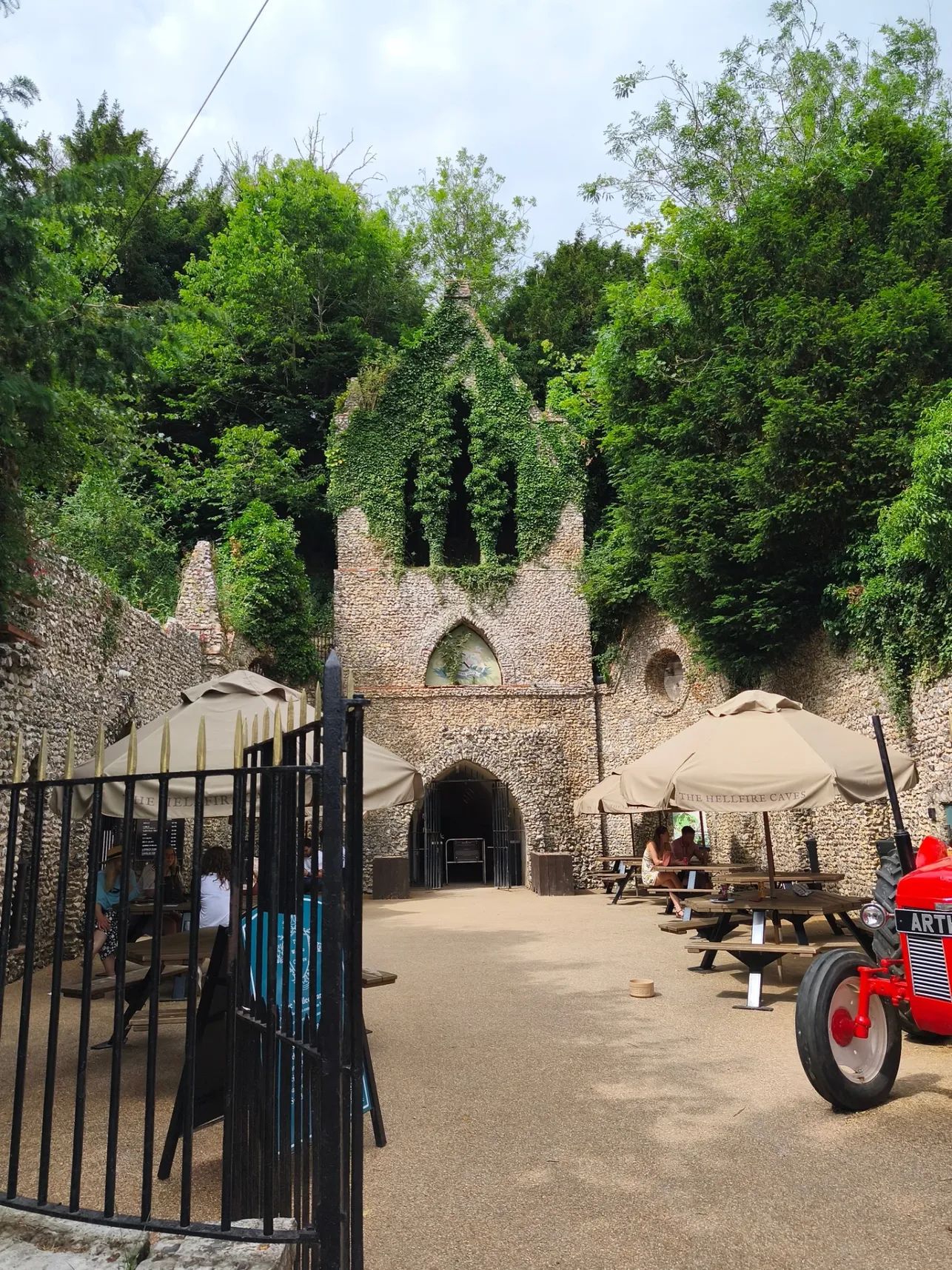
(Image: West Wycombe Caves. Source: E.Holohan 2025)

The West Wycombe “Hellfire” Caves in Buckinghamshire are a fascinating network of man-made caves carved from chalk and flint during the mid-18th century. They are famously linked to the Order of the Friars of St Francis of Wycombe, commonly known as the “Hellfire Club”, an infamous society that was established by Sir Francis Dashwood, who used the caves for their meetings and rituals.

The caves were originally dug out to provide work for local people facing tough agricultural hardship, with the materials taken from the site being used to build a new road. Over time, however, the caves transformed into a base for the Hellfire Club’s activities, which featured mock religious ceremonies and extravagant banquets, adding to the site’s notoriety for secrecy and hedonism.

I’d met Stevyn Colgan briefly at the Wycombe Paranormal Convention in 2024, where I first heard him speak, so I knew we’d be in for a treat with his talk today.

Stevyn Colgan is a British writer, artist, and speaker. He spent three decades as a police officer in London from 1980 to 2010 before moving into the creative field as a researcher and scriptwriter for the BBC series ‘QI’ and its companion show, ‘The Museum of Curiosity’, until 2018. Colgan also co-hosts the podcast ‘We’d Like a Word’, which delves into the world of books and authors. Colgan is a passionate forager and keen student of British folklore, identifying as an author, illustrator, speaker, and folklorist. On social media he describes himself as an “ex-QI elf” and “Cornish pisky” and claims to be “mostly made of hair and tea”.

(Image: Stevyn Colgan and the Hogarth Carving. Source: E.Holohan 2025)

Colgan led us into the caves and started by briefly telling us some of the history and background to the caves and the Hellfire Club. At one point he pointed out a carving by painter William Hogarth said to be of Dashwood in a pope’s hat, as the Hellfire Club enjoyed mocking the Church. Looking at the carving, it is good that Hogarth stuck with the painting instead. Of more modern interest, he described how the caves famously featured in the film “Beetlejuice, Beetlejuice” (2024), whose funeral scene was filmed on the estate.

His discussion on the Summer Solstice delved into its fascinating history, myths, folklore, and traditions. Colgan told us how Milton Keynes, known for its distinctive urban layout, contains Midsummer Boulevard, which aligns perfectly with the sunrise on the summer solstice, making it a key spot for celebrations. Modern druids and witches often gather for the Midsummer festival there, which includes the Light Pyramid sculpture in Campbell Park, also aligned with the solstice sunrise.

(Image: Inside the Hellfire Caves. Source: E.Blackshaw 2025)

The solstice signifies a time of change, dividing the year into four distinct seasons, with equinoxes marking important agricultural periods like lambing and harvest. Midsummer Day, celebrated on the Pagan 22nd, and St John’s Day on the 24th in the Christian calendar are both traditionally marked by bonfires. These fires have a long history of being used for purification rituals, where young people would leap over the flames, and animals would pass through to rid themselves of ticks. The term “bonfire” actually comes from the practice of burning animal bones on these fires.

Celebrations during this time often involve feasting, dancing, and various other rituals. One tradition is to pick a flower and place it in a vase; if it wilts to the left, it is considered bad luck, while wilting to the right brings good fortune. There is also the “dumb cake” ritual, where silence must be maintained while preparing the cake, with the first slice believed to reveal one’s future husband. Additionally, on the eve of the Summer Solstice, it is said that ghostly figures knock on church doors at midnight, representing those who are destined to pass away that year. The dressing of holy wells is another part of the solstice traditions, emphasising the deep connection to nature and the spiritual significance of this time of year.

Food, Music and Flames

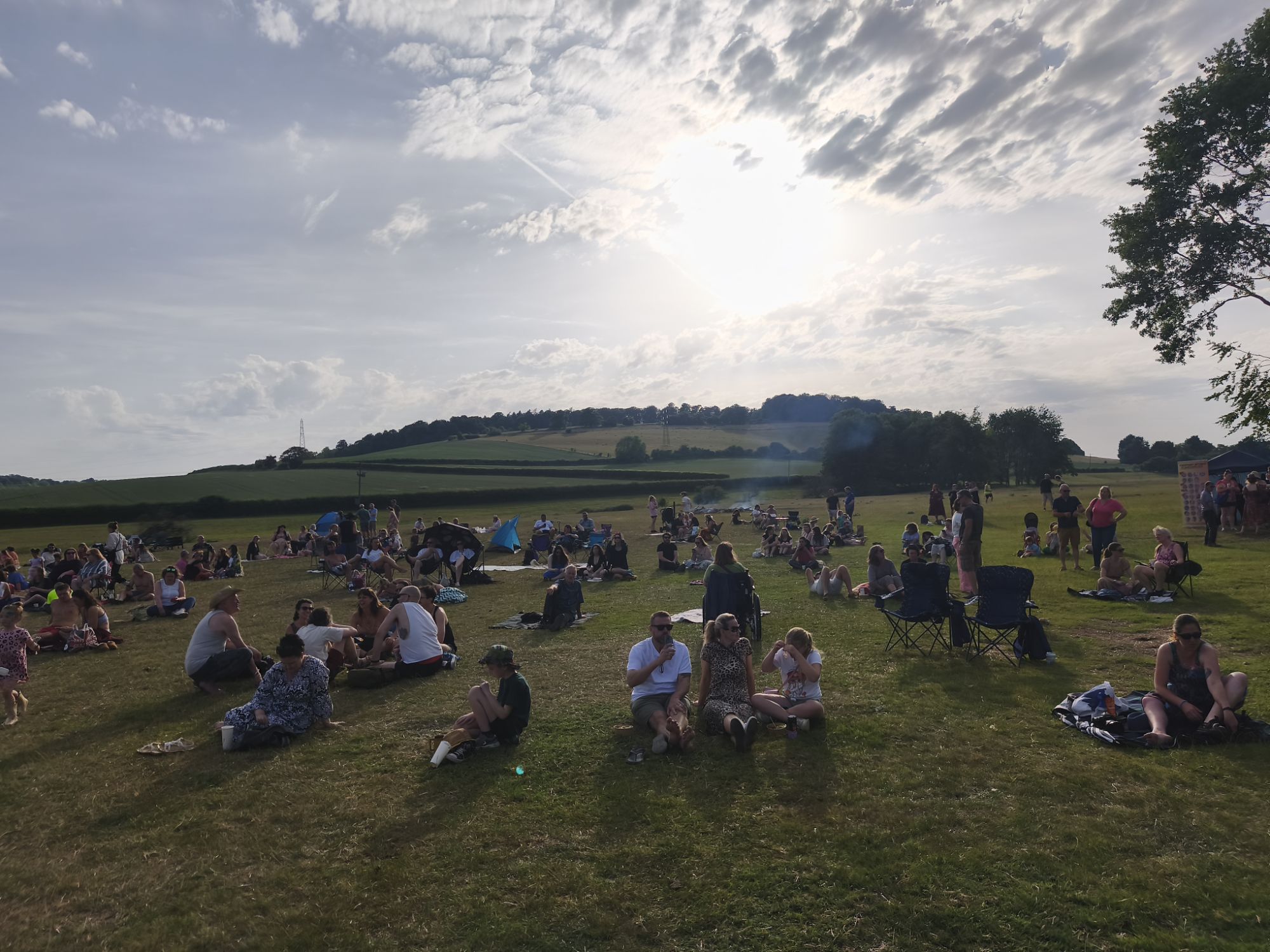
Feeling cooler and refreshed from the lower temperatures of the caves, we made our way back to the Walled Garden Café ‘paddock’ to enjoy a bite to eat from the food vans and listen to lively folk music performed by “My Mate Dave”, a female-fronted folk band. We set down our colourful picnic blanket and ate pizza, relaxed and listened to the festive tunes while majestic red kites hovered overhead in search of small prey for their own supper.

(Image: Summer Solstice Celebration. Source: E.Holohan 2025)

It was soon time for the Solstice Bonfire. The bonfire was lit a distance away from revellers for safety, but it still packed a punch; its roaring flames were impressive and primal in this already very hot weather.  Bonfires on the summer solstice have ancient roots, traditionally lit to honour the sun, promote good harvests and protect from evil spirits. These practices are found in various cultures, including Celtic, Slavic, and Germanic traditions, with bonfires symbolising the sun’s strength and its role in the agricultural cycle.

Throughout the day there were other events for families and festivalgoers such as a costume competition, face painting and summer wreath and flower crown making. These activities created a joyful, family-friendly atmosphere that made the event even more memorable.

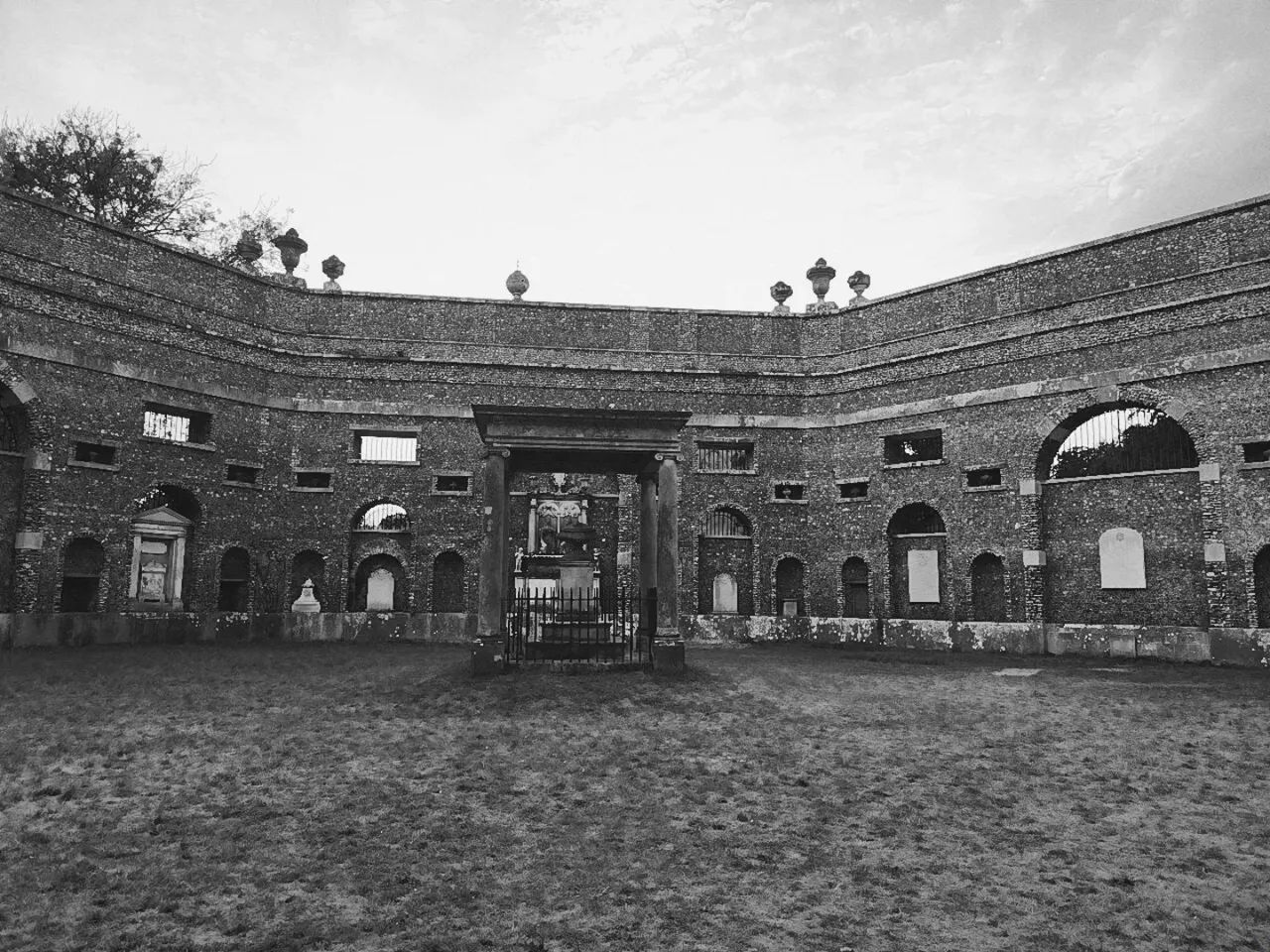
A Visit to the Dashwood Mausoleum

(Image: Dashwood Mausoleum. Source: E.Blackshaw 2025)

After the event concluded, we took a brief trip up to the Dashwood mausoleum, located on top of the West Wycombe Hill. The mausoleum is a hexagonal structure built of Portland stone and flint and serves as a private burial ground for the Dashwood family, including Sir Francis Dashwood and his relatives. The mausoleum is also known for housing an urn containing the heart of Paul Whitehead, a friend of Sir Francis and steward of the Hellfire Club.

We explored and lingered here a while, witnessing a vibrant rainbow appear in the sky over West Wycombe. After a moment of reflection and quiet contemplation, we finally set off back to Bristol in the soft, dwindling Summer Solstice light.

Embracing the Spirit of the Summer Solstice: Celebrating Connection and Community

(Image: With the hobby horse. Source: C.Lewis 2025)

Looking back on the day, I feel a deep sense of gratitude for the chance to celebrate the Summer Solstice in such a unique setting. From the entertaining performances of the Morris Dancers to the enlightening lecture held in the Hellfire Caves, every moment contributed to a richer appreciation of this ancient tradition. The joy of celebrating as a community was infused throughout the day as families and friends gathered to take part in the festivities, creating lasting memories together. The Summer Solstice serves as a beautiful reminder of the wonders of nature and the importance of connection, both with the earth and with one another. I invite readers to share their own summer solstice experiences or thoughts, as we continue to celebrate the light and warmth that this time of year brings.

If you enjoyed reading about my Summer Solstice experience, I would encourage you to seek out similar events in the future. Participating in community celebrations not only enriches our lives but also fosters a sense of belonging and connection. Please feel free to share this post or leave a comment with your own Summer Solstice stories or reflections. Let’s keep the spirit of the Summer Solstice alive by sharing our experiences and celebrating the light together!

(Image: Rainbow over West Wycombe. Source: E.Holohan 2025)

References

Jack in the Green: Keeping Folk Traditions Alive in Bristol

A Springtime Wander into Another World

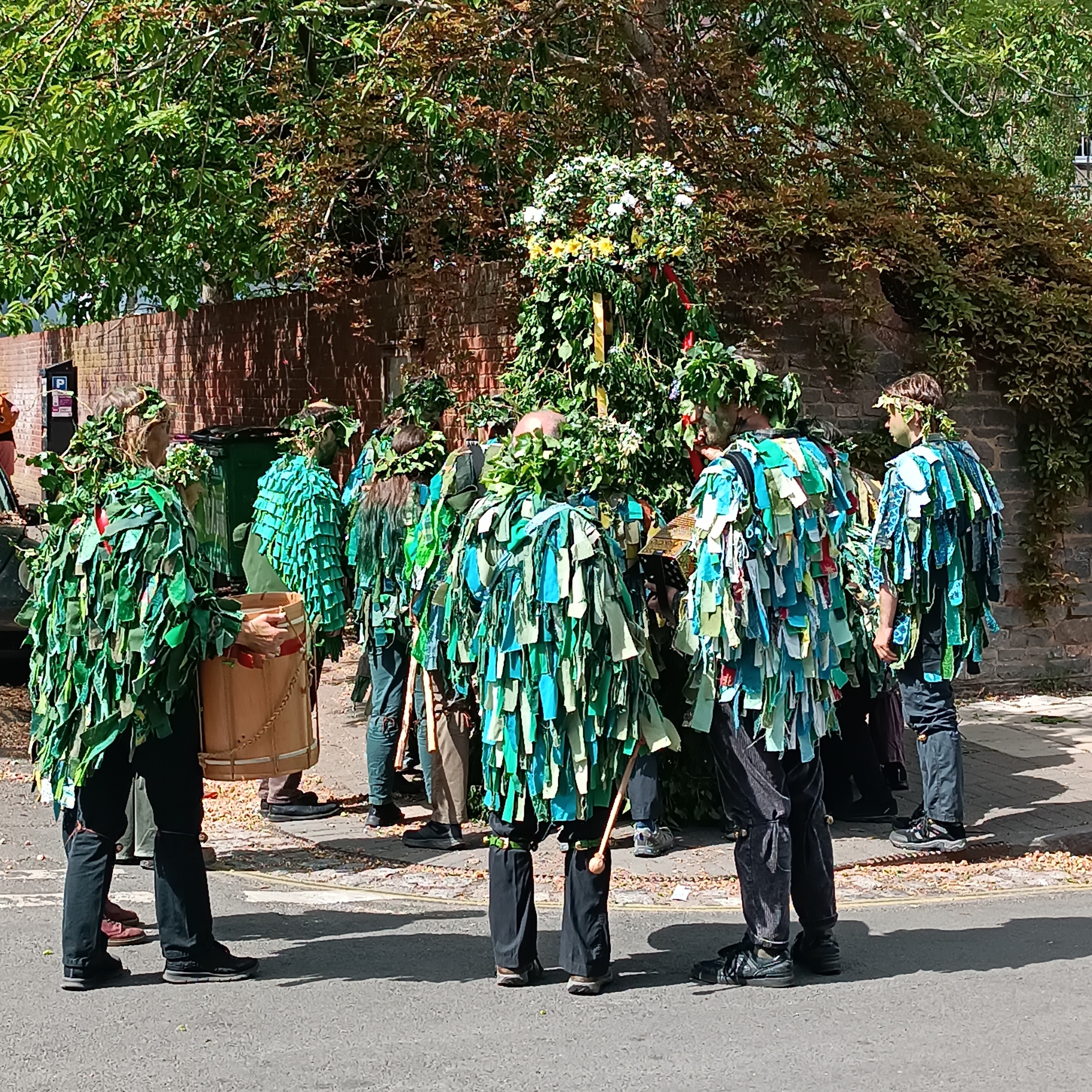
This May, I found myself caught up in something a little bit more magical than normal. I had just popped out for a walk into town when I heard the distant rattle of drums and the jingle of bells coming up the hill. Within moments, a leafy figure emerged around the corner; towering, green, and utterly hypnotic. Behind him came dancers, musicians, people in leafy crowns and cloaks, dogs wearing garlands, children skipping to the beat.

(Image: Bristol Jack in the Green. Source: ©E.Holohan 2025)

This was an encounter with the fascinating character, Jack in the Green. It passed right through my neighbourhood in Bristol, and for a while it felt like the city had been transported into a more ancient, greener version of itself.

There is something about this May festival that pulls at something deeper. In a world full of deadlines and distractions, encountering a celebration like this, which is full of colour, laughter, and ancient spirit, feels like stepping through a portal into another time.

So, what exactly is Jack in the Green? Where did it come from, and why does it still feel so relevant?

What Is Bristol’s Jack in the Green Festival?

Jack in the Green is a celebration of the coming of summer, rooted in old English folk traditions. It centres around a tall, leafy figure known as the Jack, who is completely clad in greenery. Think walking hedge, with just a hint of face peeking out, crowned in flowers and leaves.

Each year, on the first Saturday in May and around the May Day holiday, the Jack makes his way through parts of Bristol in a lively procession of dancers, drummers, musicians, and revellers all dressed in green.

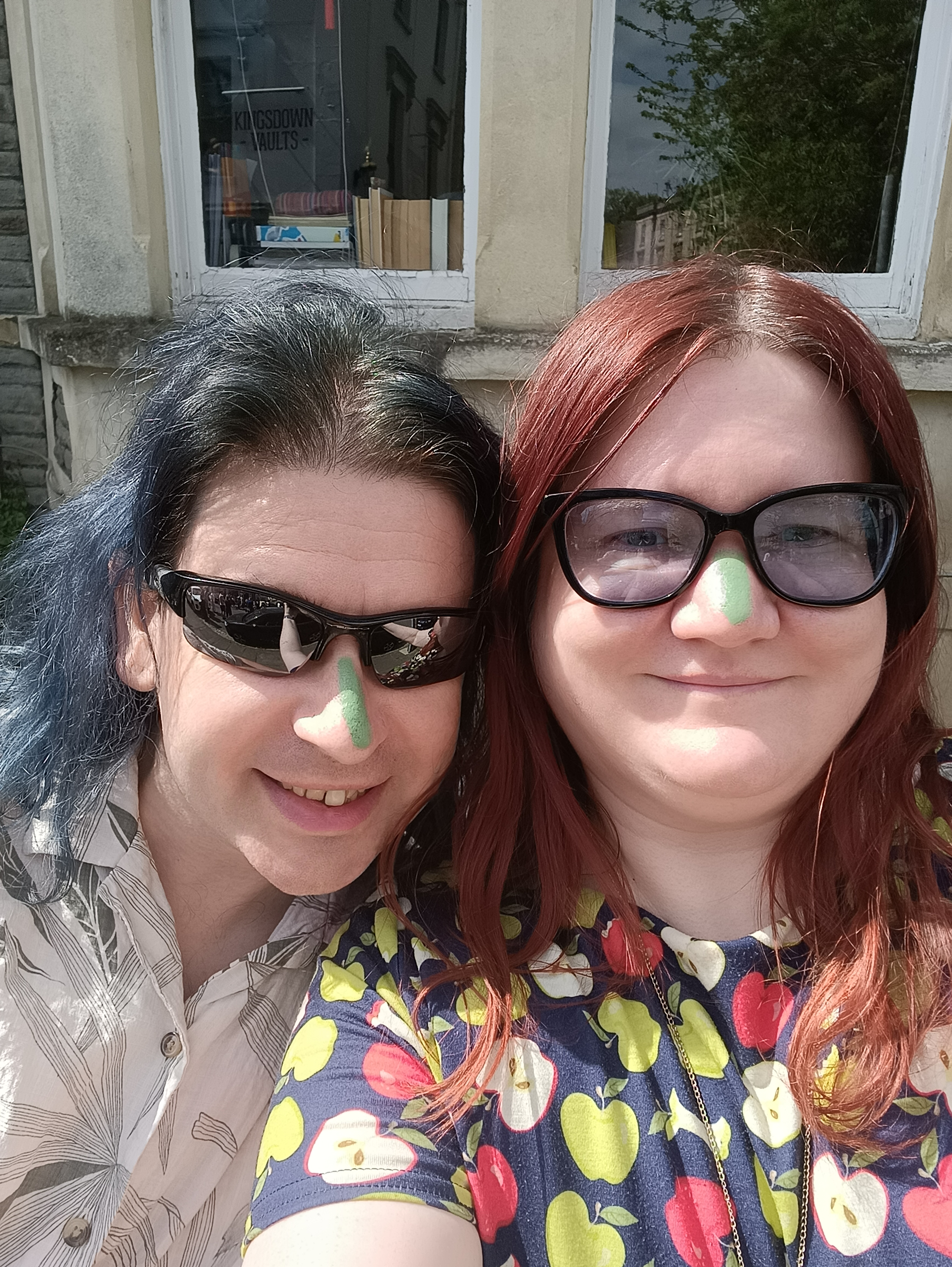
This year, the Jack began at the historic harbourside and the procession made its way through the centre and up via Kingsdown, Cotham and Redland, winding along the streets, picking up curious onlookers as it passed. Jack’s attendants even painted onlookers’ noses green as they passed by, which is said to bring them good luck this summer. I was lucky enough to get myself a green nose too!

Eventually, the parade ended in a local park in Horfield. Here, Jack’s attendants delighted onlookers with dancing and reciting Jack’s poem. Here, sadly, Jack finally died, marking the end of spring and the start of Summer. After dancing through the streets and meeting city folk, Jack brought the Summer to Bristol, but now rests in peace until next year. Finally, onlookers took foliage from Jack’s body for good luck and to celebrate the long-awaited arrival of summer.

This festival is not just something to watch; it’s very much something to join in. People dress up, paint their faces green, bring tambourines or whistles, and dance beside complete strangers. It’s joyful, chaotic, and full of heart. And it belongs to Bristol.

The History of Jack in the Green

Although it feels ancient, Jack in the Green actually has roots in the 18th century. It grew out of May Day traditions among chimney sweeps, milkmaids, and other working-class people in London and elsewhere.

In those days, May Day was one of the rare holidays working people had. Chimney sweeps would parade through the town with music and garlands, collecting money and celebrating the return of warmer days. This served an important function for the sweeps in particular, who would need this money over the summer when they’d have little income. Over time, these garlands evolved into something bigger and bolder: a full figure made of foliage, worn by someone dancing through the crowd.

(Image: The 1795 engraving of a Jack in the Green, London. Source: CC BY-SA 3.0)

By the early 20th century, however, these celebrations had mostly faded. Victorian attitudes were snobbish about anything too rowdy, and folk customs began to disappear in favour of a more sanitised versions of British traditions.

It was not until the 1970s, when there was a broader revival of interest in folk music and traditions, that Jack in the Green began to return. Hastings was one of the first to bring it back in a big way, and other towns and cities, including Bristol, followed their lead.

Here in Bristol, the tradition was revived in the 1990s, thanks to local folk groups and performers who saw value in reclaiming this little piece of seasonal magic. Local groups have helped shape the festival into what it is today; a brilliant blend of history, creativity, and local pride.

Possible Pagan Roots and Green Man Magic

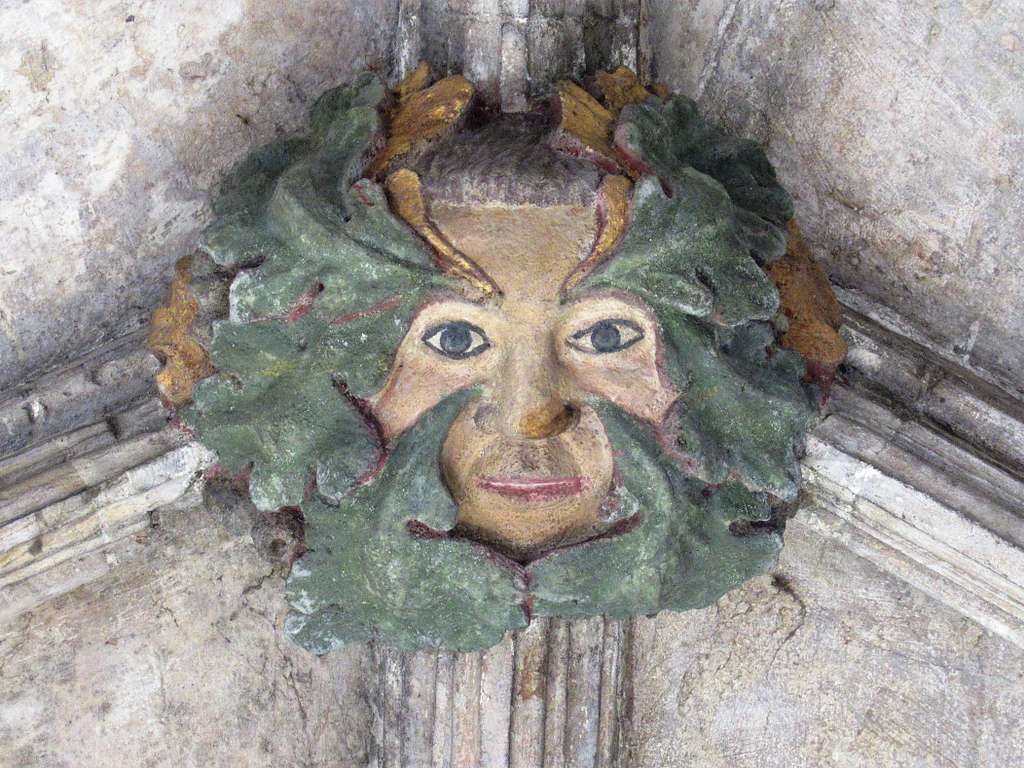
While Jack in the Green as we know it is not thousands of years old, it carries hints of much older beliefs. Many see links to the Green Man, who is a symbol you find carved in stone in churches across Britain and Europe. He is usually depicted as a face surrounded by leaves, often with greenery sprouting from his mouth. The Green Man is a symbol of nature, rebirth, and the never-ending cycle of the seasons.

There is also a strong seasonal connection to Beltane, the old Celtic festival that marks the start of summer. Celebrated around the first of May, Beltane was all about fertility, fire, and celebrating the land waking up after winter. Modern Jack in the Green processions are not direct continuations of those rites, but they certainly share the same spirit of honouring growth, community, and the turning of the year.

(Image: Norwich Cathedral cloisters, roof boss. Source: CC0.1.0 Univeral)

When you see the Jack dancing through the city streets, surrounded by bells and drums, it feels like something ancient stirs. You don’t need to believe in anything mystical to sense it; it’s there in the beat of the drums, the greenery and the joy.

Why We Still Need Jack in the Green

In a time when most of us spend our lives staring at screens, racing from one task to the next, a festival like this offers something rare: connection to place, people and nature. Jack in the Green reminds us of the things we often forget. That the seasons change. That we can share a laugh or a dance with a stranger and feel like we belong.

It brings people together with no barriers; just colour and music, and a shared moment. Children wave at the Jack like he’s a forest giant from a fairytale. Adults clap along and walk around with painted green noses. There’s space for everyone.

Let’s also not forget the symbolism. A figure made entirely of greenery parading through a modern city feels especially meaningful in an age where the natural world is under threat. The Jack becomes more than just a character; he is a reminder of what we stand to lose, and why it’s worth celebrating and protecting.

A Few Thoughts Before the Leaves Fall

As I walked home from my encounter with Jack in the Green with my painted green nose, the sounds of bells and drums fading behind me, I couldn’t help but smile. It wasn’t just about seeing something fun. It was about being part of something. Something old and new, silly and sacred, and wild and gentle all at once.

Bristol’s Jack in the Green is not trying to be trendy. It’s not polished or perfect. But it has a spirit, and in a world that often feels rushed and rootless, that’s exactly what we need more of.

Fancy Joining Next Year?

If you are in or near Bristol come next May, I would wholeheartedly recommend seeking out the Jack. Wear something green. Bring a rattle, a ribbon, or just yourself.

You can find updates from the organisers on: https://www.bristoljack.info/home

These traditions survive when people take part. So, let’s keep them alive because they bring joy, meaning, and magic to our everyday lives.

(Image: Lucky Green Noses. Source: ©E.Holohan 2025)

If you’d like to learn more about Bristol Jack in the Green, please check out the following documentary by Nicola Explores, “Bristol Folklore and Ritual: inside the Jack in the Green May Day Mayhem”


Reference list